

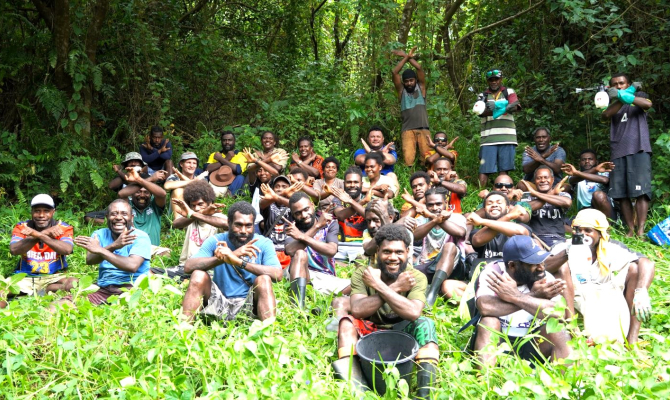
11 September 2026, Noumea, New Caledonia - As Pacific leaders, practitioners and community champions gather for the 11th Pacific Islands Conference for Nature Conservation and Protected Areas in Nouméa, stories from Vanuatu highlight how community-led action is delivering meaningful conservation outcomes. Across the country, communities, conservation rangers, government agencies and regional partners are working together to tackle one of the Pacific's most significant environmental threats: invasive species.
From the sacred forests of North Tanna to community conservation areas across the provinces, Vanuatu is demonstrating that invasive species management is about far more than protecting biodiversity. It is also about strengthening cultural identity, building resilience and empowering local people to take ownership of their natural heritage.
At the Nusumetu Community Conservation Site on Tanna Island, a community-driven restoration programme is helping revive a landscape that is both ecologically and culturally significant. Identified as a priority ecological site under the community's management plan, Nusumetu was selected to pilot invasive species management activities aimed at restoring ecosystem health and supporting the reintroduction of native species.
The work goes beyond weed control. At Nusumetu, conservation is deeply rooted in culture and traditional knowledge. The site is renowned for the sacred "white-spotted yam" story, a cultural narrative that has helped protect the forest for generations and continues to guide community stewardship today.
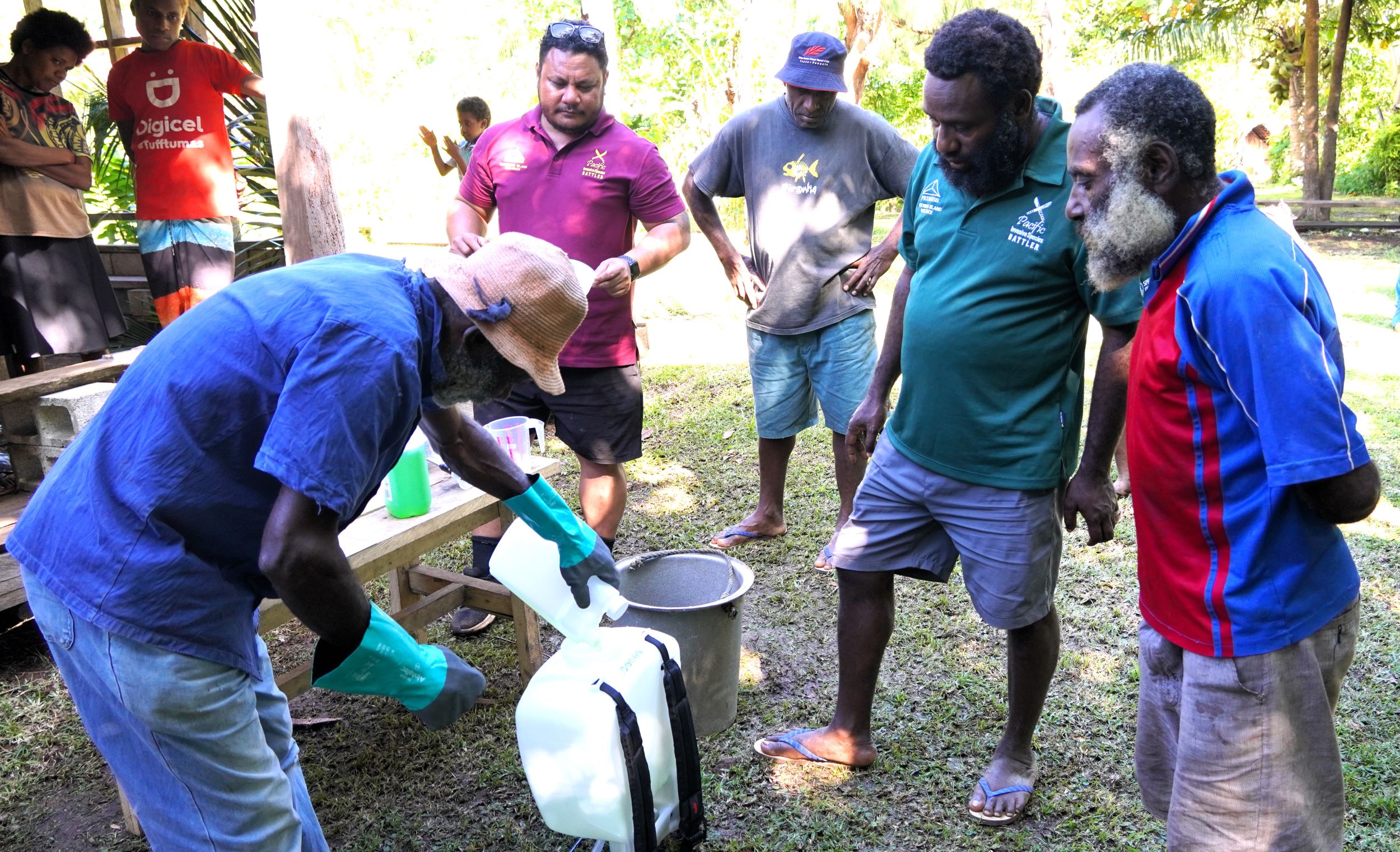
Building on the success of Nusumetu, Vanuatu has expanded its efforts through a growing network of community conservation rangers. Rangers from multiple provinces have participated in the PRISMSS Resilient Ecosystems, Resilient Communities Rangers Network Exchange Programme, sharing experiences, strengthening practical skills and developing action plans for invasive species management in their own conservation areas.
The programme combines traditional ecological knowledge with modern conservation science, ensuring that solutions are both culturally appropriate and technically effective. Participants received training in invasive weed management, site restoration, predator control and community engagement approaches that can be applied within their local contexts. Most importantly, communities remain at the centre of decision-making, helping ensure that conservation actions reflect local priorities and values.
According to Ms Mimosa Bethel, Invasive Species Officer with the Vanuatu Department of Environment, invasive species remain one of the greatest threats facing the country's biodiversity and livelihoods.
"Invasive species are one of the biggest threats to Vanuatu's biodiversity and the livelihoods of our people. By sharing knowledge and working together, we have strengthened our ability to control and manage these pests before they cause lasting damage."
Ms Bethel emphasised that effective management depends on collaboration between communities, government agencies and development partners.
“Across Vanuatu, invasive plants continue to spread through forests, agricultural lands and waterways, affecting biodiversity, food security and ecosystem resilience and communities are often the first to observe environmental changes and therefore play a critical role in early detection, monitoring and management of invasive species.”
"Invasive species management is not simply a conservation activity. For us in Vanuatu, it is a Nature-based Solution that helps restore ecosystem functions, supports the return of native species, strengthens resilience to climate change and safeguards our cultural and natural values that communities depend on.”
“When communities lead these efforts, the benefits extend far beyond biodiversity and contribute directly to stronger, more resilient landscapes and livelihoods."
She further highlighted that some of the most effective conservation outcomes occur when traditional ecological knowledge is combined with scientific approaches. Community elders, customary landowners, women and youth contribute generations of knowledge about local ecosystems, while science provides tools and methods to better understand threats and guide restoration activities.
"Science provides us with the tools and evidence to understand invasive species and their impacts, while traditional knowledge provides the context, history and connection to place that helps guide successful action.”
“When these two systems work together, communities are better equipped to protect their biodiversity and strengthen their resilience."
The experience at Nusumetu demonstrates the value of this approach. Community members are combining cultural values, local stewardship and modern invasive weed management techniques to restore a site that is both environmentally important and central to local identity with positive impacts being noticed in identified management zones.
“Partnerships between communities, provincial authorities, government agencies, conservation organisations and regional initiatives such as PRISMSS are ensuring that local action is supported with the expertise, training and resources needed for long-term success.”
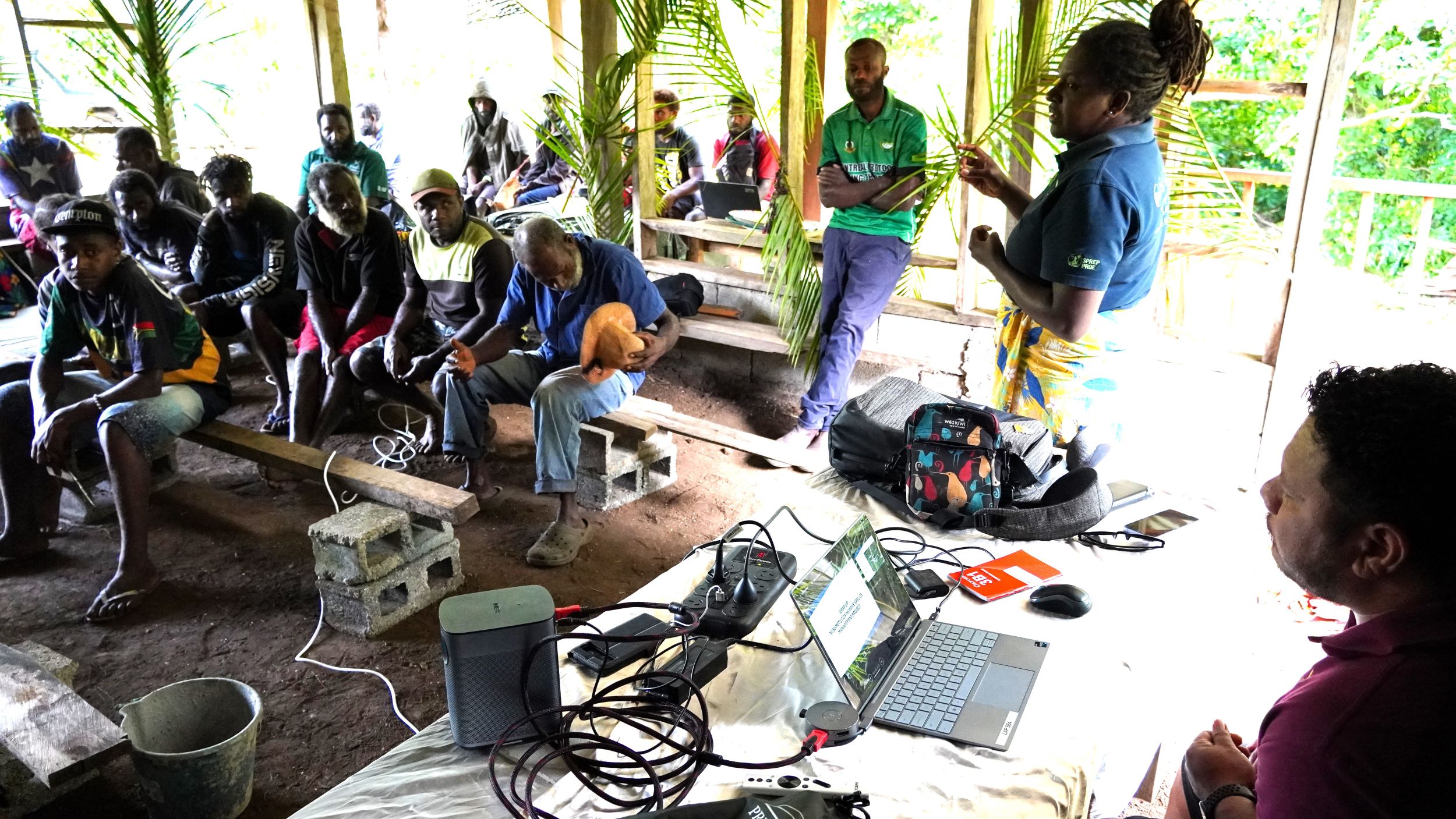
A key part of this effort is the support being provided through the Pacific Regional Invasive Species Management Support Service (PRISMSS), led by SPREP in partnership with the Vanuatu Department of Environment Protection and Conservation (DEPC). Through hands-on training, technical support and the provision of equipment and resources, communities are being equipped to safely manage invasive weeds threatening native forests and biodiversity.
The experiences emerging from Vanuatu closely align with the objectives of the 11th Pacific Islands Conference for Nature Conservation, which highlights the importance of community leadership, nature-based solutions, biodiversity conservation and the integration of traditional knowledge into environmental management.
Vanuatu's communities are demonstrating that conservation succeeds when local people are equipped with the knowledge, tools and support to lead action themselves. Their work illustrates how invasive species management can restore ecosystems, strengthen cultural connections and build resilience to a changing climate.
The 11th Pacific Islands Conference for Nature Conservation and Protected Areas is held from 7 to 11 September 2026 at the Tjibaou Culturel Centre in Noumea New Caledonia. Bringing together over 400 delegates from across the Pacific, the conference is organised by New Caledonia, Secretariat of the Pacific Regional Environment Programme, and the Pacific Islands Roundtable for Nature Conservation with the support of partners.
For more information please visit : https://www.pacificislandsroundtable.com/pacific-nature-conference