

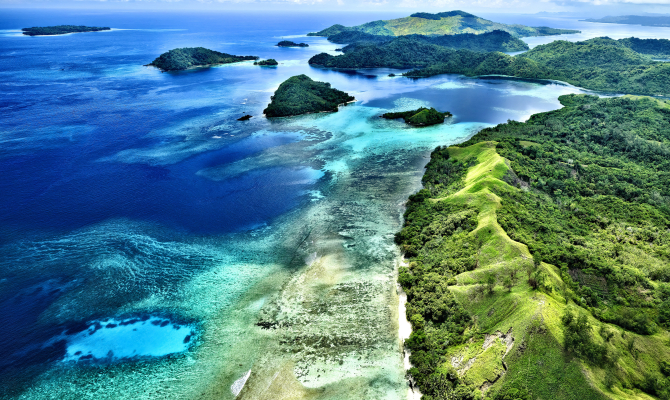
28 October 2026, Honiara, Solomon Islands - The Pacific BioScapes Programme is a European Union (EU) funded action, managed and implemented by the Secretariat of the Pacific Regional Environment Programme (SPREP). The Programme aims to contribute to the sustainable development of Pacific Small Island Developing States through the implementation of regional activities and 30 national activities taking place across a diversity of ecosystems in the Cook Islands, Fiji, Kiribati, Republic of the Marshall Islands, Federated States of Micronesia, Palau, Papua New Guinea, Samoa, Solomon Islands, Tonga and Vanuatu.
The Programme is applying ridge-to-reef approach to include both marine and terrestrial environments and address barriers to effective conservation and sustainable use of biodiversity. Some key programme activities include marine spatial planning in the Cook Islands and Kiribati, climate-smart ecosystem-based management in Fiji, management of coral reef fisheries and resilience of coral reef ecosystems in the Marshall Islands, integrated island and ocean management in the Central Province in Solomon Islands, and capacity building for the Palau protected areas network.
The Programme held its Third Programme Steering Committee Meeting in Honiara, Solomon Islands, from 13–15 October 2026.
Karl Kurper, Deputy Secretary for the Solomon Islands Ministry of Environment, Climate Change, Disaster Management and Meteorology, opened the meeting:
‘Your presence here reflects our strong regional partnership, ongoing collaboration and shared commitment in serving our people as we continue to address increasing pressure of climate change, biodiversity loss, unsustainable use of natural resources, other environmental and socio-economic challenges.
The Solomon Islands Government remains committed to addressing these issues through collective actions by working together with our international and regional partners, development partners, NGOs, CBOs and communities.
For the Solomon Islands, the implementation of the Pacific BioScapes Programme is closely aligned with our government’s existing policy and strategic priorities for environmental protection, biodiversity conservation, sustainable resource management and climate-change resilience, namely through our National Biodiversity Strategy and Action Plan (NBSAP) (which is currently under review); Community-Based Resource Management (CBRM) Strategy and National Climate Change Policy (just to name a few). I know that this not different for our other Pacific BioScapes Participating countries’.
The meeting brought together representatives from 11 Pacific Island countries, government agencies, regional organisations, implementing partners and the EU representative, to review progress made under the Pacific BioScapes Programme, reflect on lessons learnt, discuss challenges, opportunities and provide strategic guidance that will enable countries and partners to continue to implement and deliver on the 30 projects.
Representatives from SPREP and partners including the The Nature Conservancy (TNC), Birdlife International, International Union for Conservation of Nature (IUCN), and Wildlife Conservation Society (WCS) were present in Honiara to work together on programme implementation.
Amenatave Yauvoli, Director of Biodiversity Conservation at SPREP highlighted the support the Programme has received:
‘We sincerely appreciate the EU’s continued commitment, collaboration and support not only through the Pacific BioScapes Programme but also across other projects and initiatives that advances the Pacific’s shared objectives of a resilient Pacific environment.
An important highlight of our programme will be the field visit to Soka Community, where we will have an opportunity to see firsthand the activities supported through the Pacific BioScapes Programme. Such visits are a gentle reminder of how programmes such as this can provide positive impacts for our communities and the ecosystems upon which they depend on’.
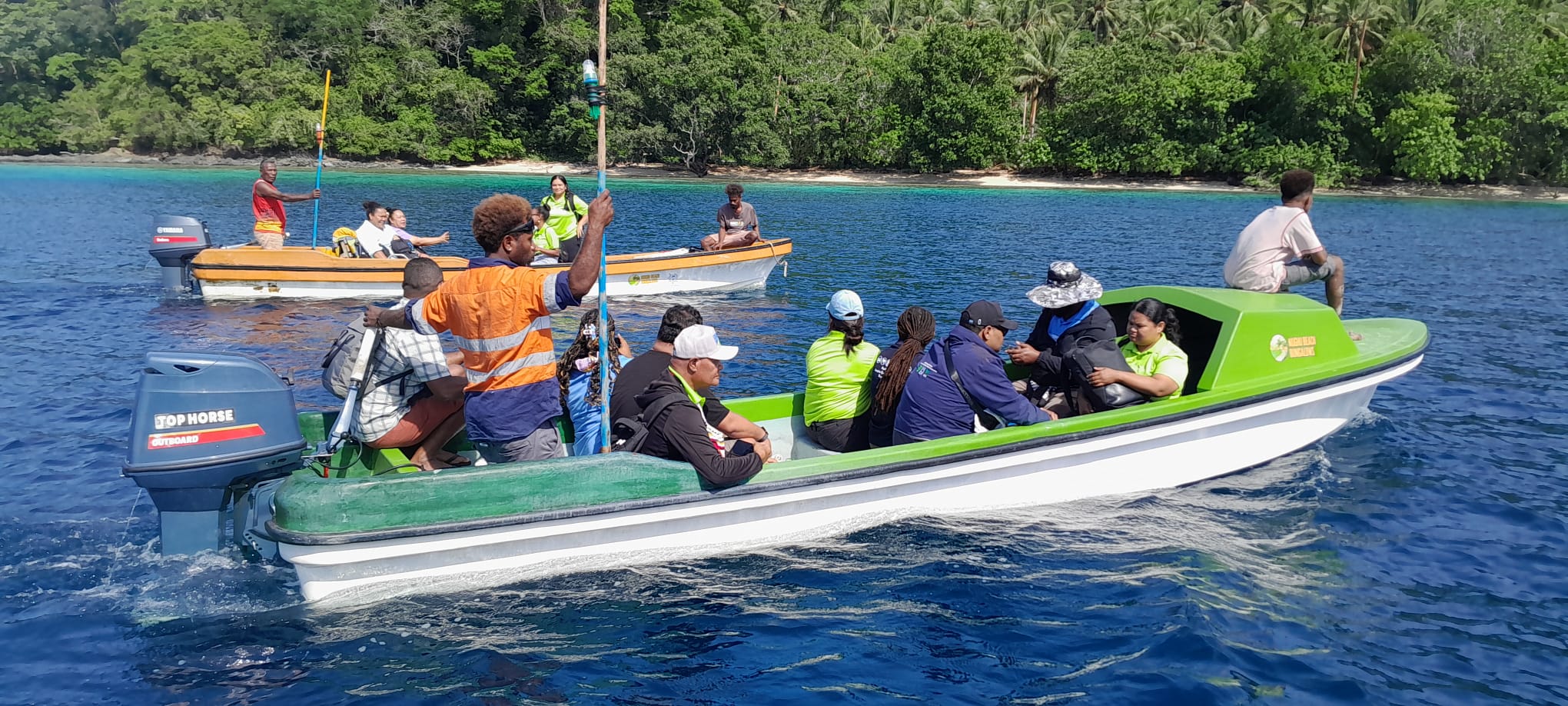
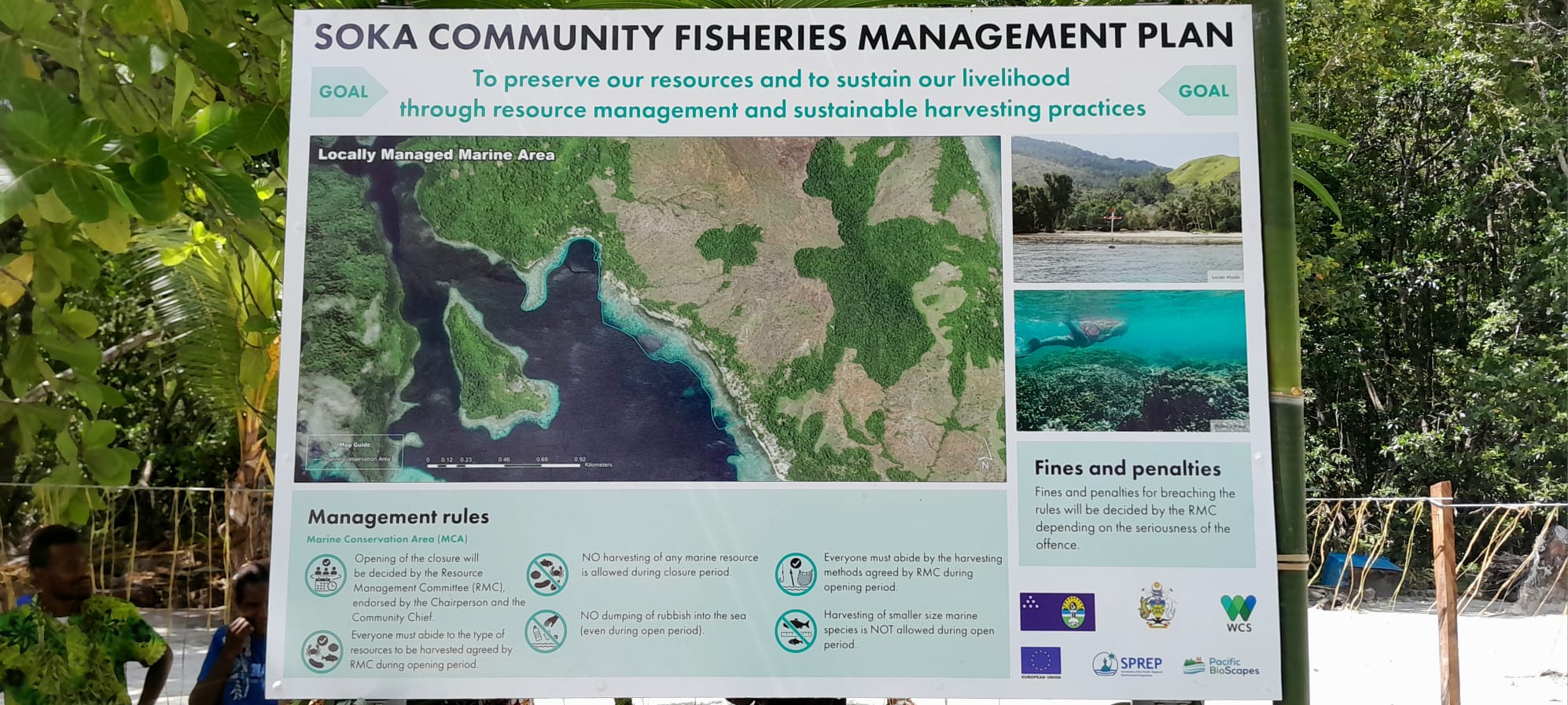
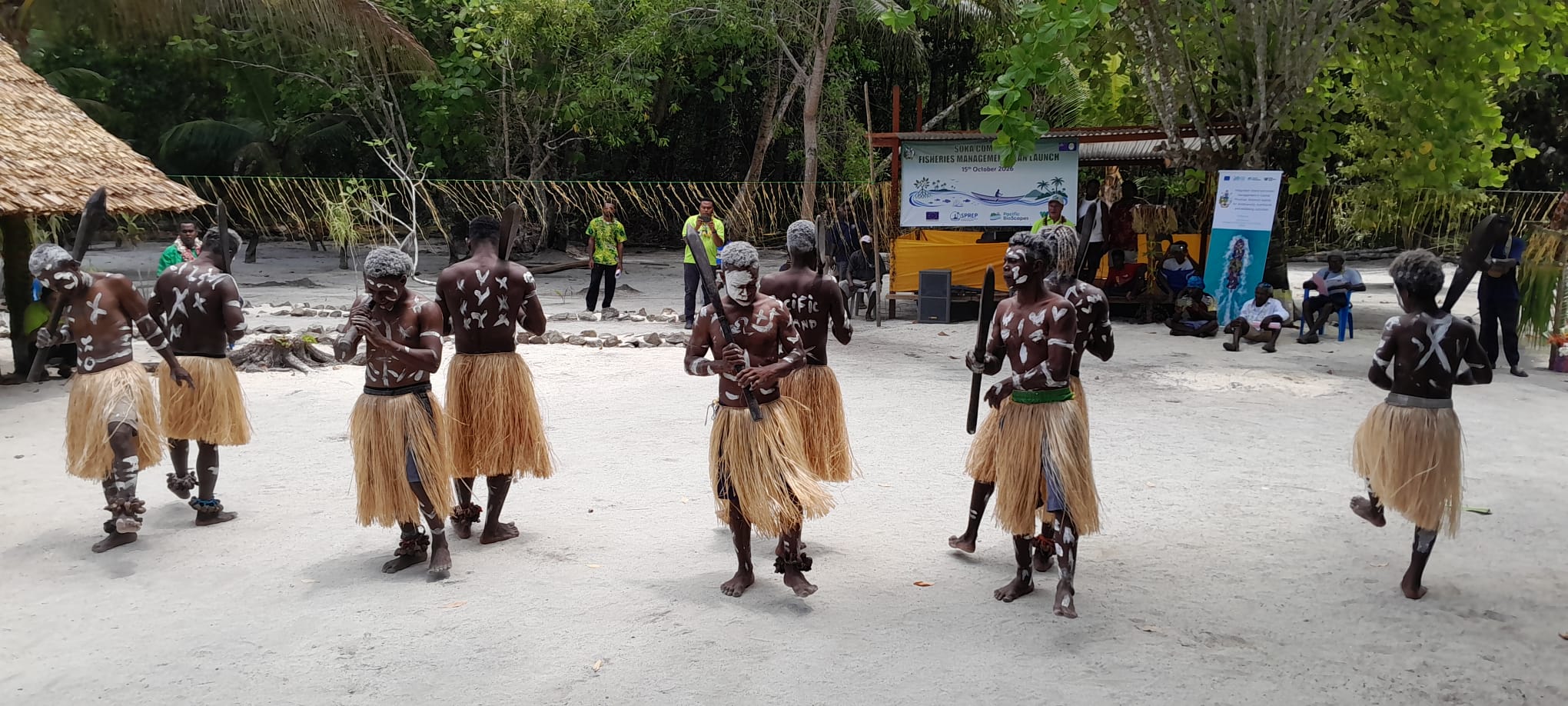
The visit to Soka in the Ngella Islands included the official launch and handover of the Community-based Fisheries Management Plan (CFMP), marking an important milestone in supporting community-led conservation and sustainable marine resource management initiatives in the Solomon Islands.
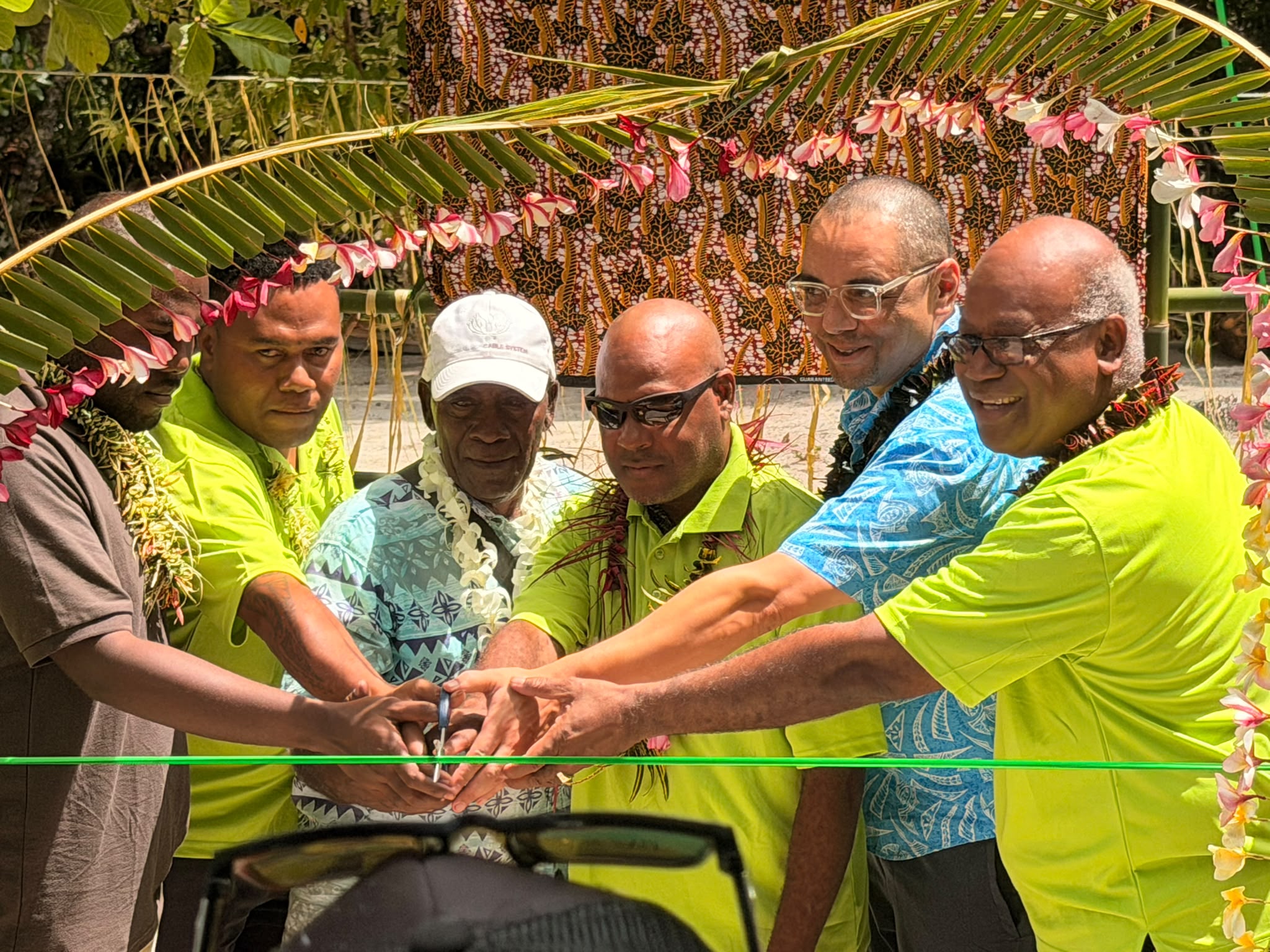
During an engaging Tok Stori session, community representatives, including women and youth, shared their experiences and efforts to protect their marine environment and sustain livelihoods for future generations. Delegates also visited the community's Marine Conservation Area as well as the community forest restoration area and observed nature-based solution approaches supported through the Pacific BioScapes Programme.
Across the wider Pacific region, the strength of the programme lies in the partnerships that have brought so many organisations together in their collective efforts to achieve successful outcomes across the Pacific BioScapes Programme. As the Steering Committee ended, all present left with a sense of renewed energy in their work that leads us towards a sustainable and healthy Pacific environment.
For more information please visit: https://www.sprep.org/bioscapes