

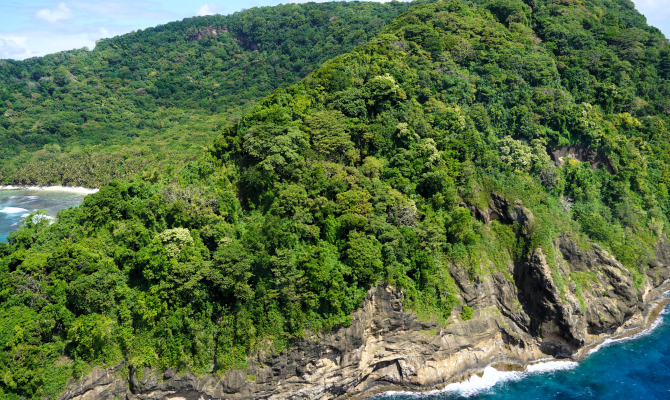
8 September 2026, Nouméa, New Caledonia - The fight against invasive alien species has traditionally been viewed as a biodiversity conservation challenge. However, participants at the 11th Pacific Islands Conference on Nature Conservation and Protected Areas (PCNC11) thematic session on invasive species discussed that the issue is far broader and more urgent.
Across the Pacific, invasive species are increasingly being recognised not only as a major driver of biodiversity loss but also as a threat to livelihoods, food security, water resources, climate resilience and sustainable development.
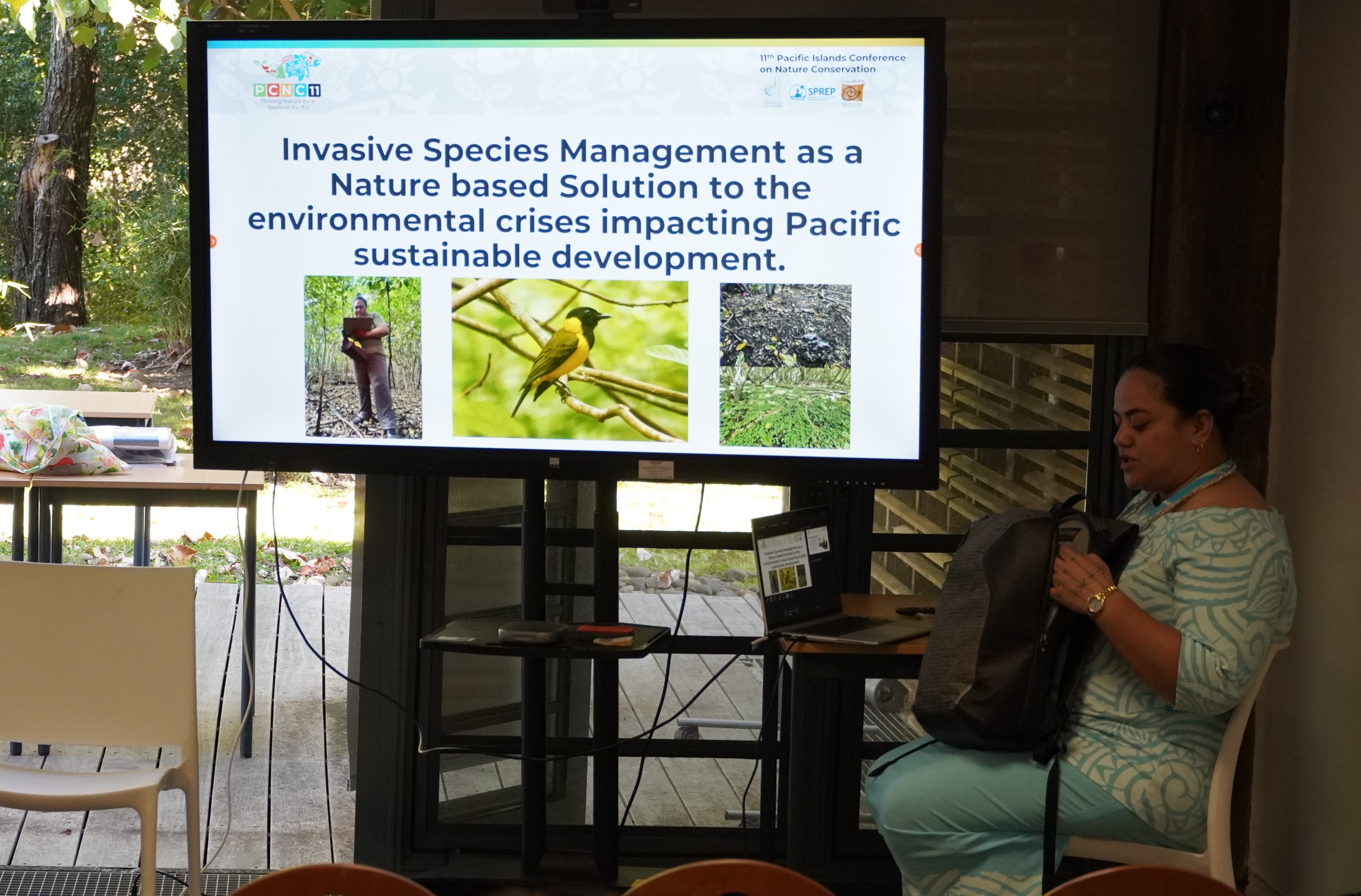
The thematic session on invasive species titled, “From a Threat to Biodiversity to an Existential Threat to Pacific Livelihoods: Invasive Alien Species Prevention and Management as a Nature-based Solution to the Environmental Crises Impacting Pacific Sustainable Development,” explored how invasive species management can be reframed as a powerful Nature-based Solution (NbS) capable of addressing the interconnected challenges of biodiversity loss, climate change and pollution.
Organised by the Pacific Invasives Partnership (PIP) and the Secretariat of the Pacific Regional Environment Programme (SPREP) the session brought together practitioners, policymakers and conservation leaders from across the region to share experiences and identify pathways for integrating invasive species management into broader conservation, climate and development agendas.
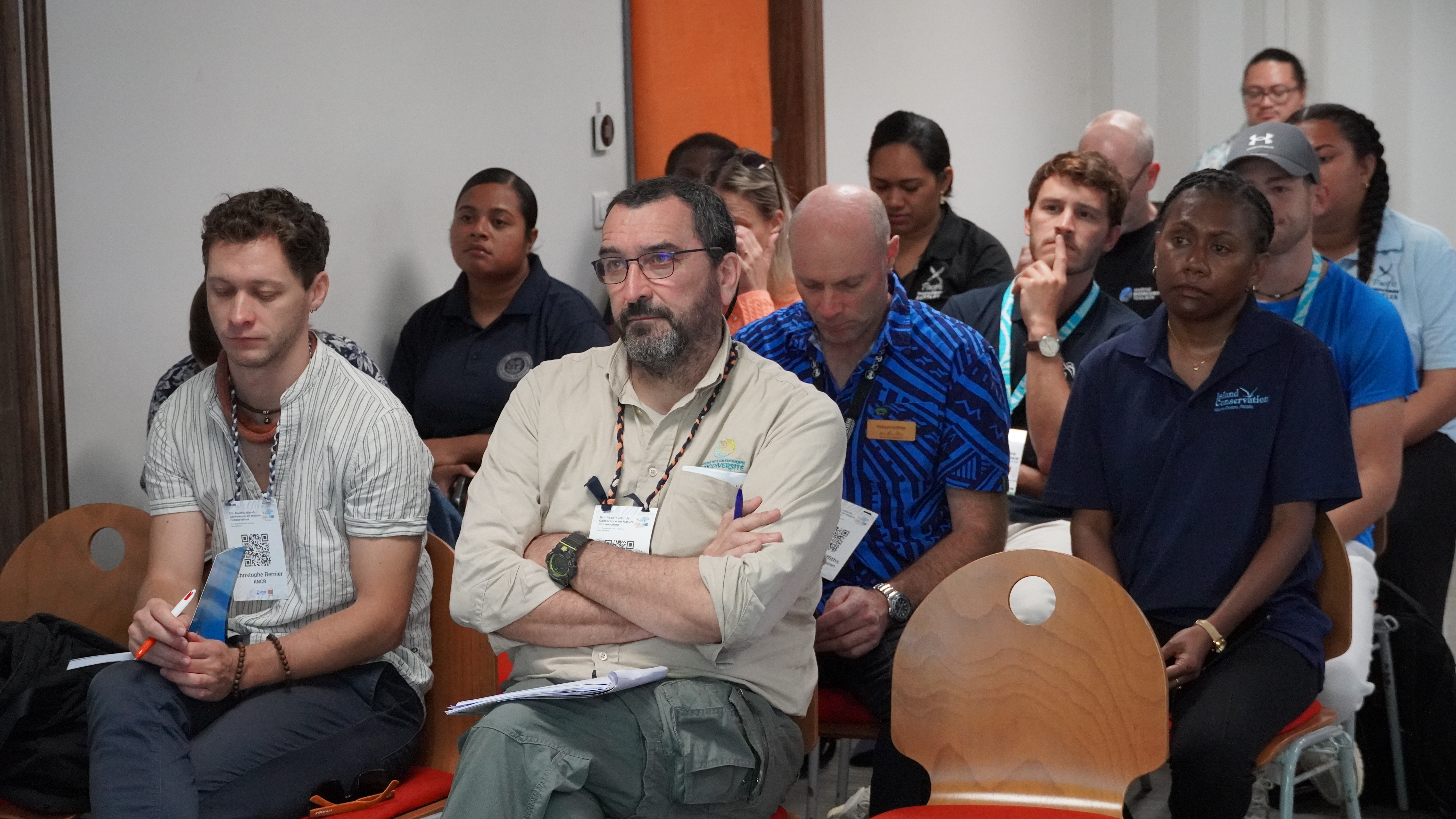
A central message emerging from the discussions was that invasive species management should not be viewed simply as the removal of harmful plants or animals. Rather, participants emphasised that invasive species management is an essential tool for ecosystem recovery and restoration.
SPREP Invasive Species Adviser Mr David Moverley while facilitating the session shared that, “unlike many conservation interventions that require ongoing inputs, invasive species removal often triggers self-sustaining ecological recovery.”
“The removal of rats, pigs, cats, invasive ants and invasive plants allows natural ecosystems to regenerate and regain their resilience and examples from across the Pacific demonstrate the remarkable recovery that can occur once invasive species are controlled or eradicated.”
As several speakers noted, the management action itself is only part of the story. The ultimate objective is the restoration of healthy, functioning ecosystems that can continue to provide food, clean water, cultural values, climate resilience and economic benefits to Pacific communities. By removing pressures caused by invasive species, ecosystems are given the opportunity to recover naturally, creating stronger foundations for wider conservation and climate adaptation efforts.
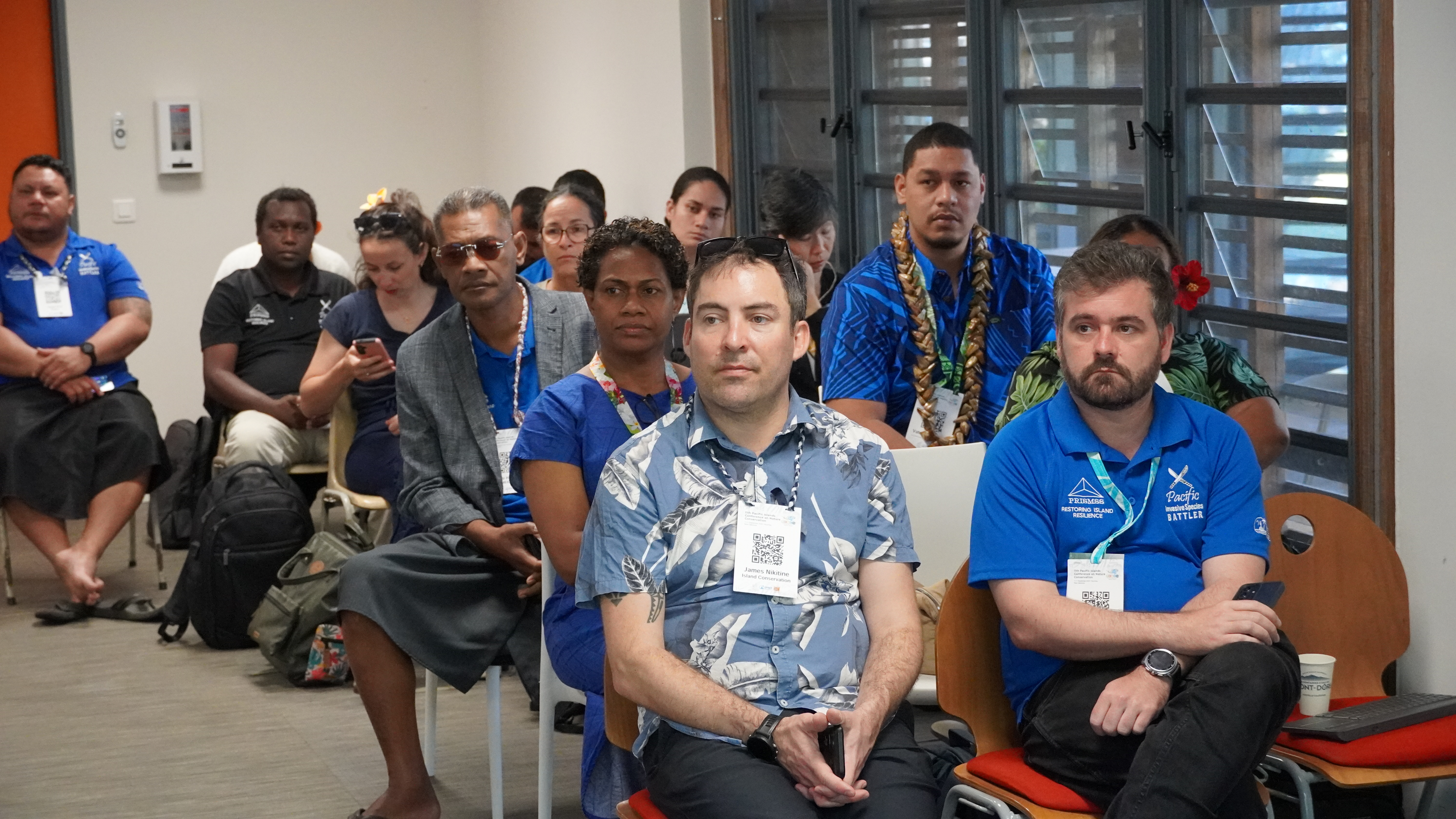
Examples shared during the session demonstrated how invasive species management is already contributing to national conservation and resilience objectives throughout the region. In Samoa, for example, invasive species management has been integrated into national conservation and climate resilience frameworks, helping position ecosystem restoration as a key component of adaptation planning.
Participants agreed that reframing invasive species management as a Nature-based Solution fundamentally changes how projects are designed and evaluated. Rather than measuring success solely through the eradication or control of invasive species, greater emphasis can be placed on ecosystem recovery, community outcomes and the long-term resilience of natural systems.
This broader perspective encourages the integration of invasive species management into larger conservation and climate resilience programmes while strengthening the links between biodiversity conservation, sustainable development and human wellbeing. Session participants also highlighted the importance of designing interventions around community priorities, traditional knowledge, inclusive leadership and long-term stewardship.
A recurring theme throughout the discussions was the need for greater recognition of invasive species management among climate and biodiversity funders. Despite its proven contribution to ecosystem restoration and resilience, participants noted that invasive species management remains underrepresented within many climate adaptation and conservation financing mechanisms.
Delegates called for stronger efforts to communicate the multiple benefits delivered through invasive species management, including biodiversity conservation, climate adaptation, food and water security, disaster risk reduction and livelihood protection. Improved communication, stronger evidence and compelling Pacific case studies were identified as critical tools for demonstrating value to governments, donors and financing institutions.
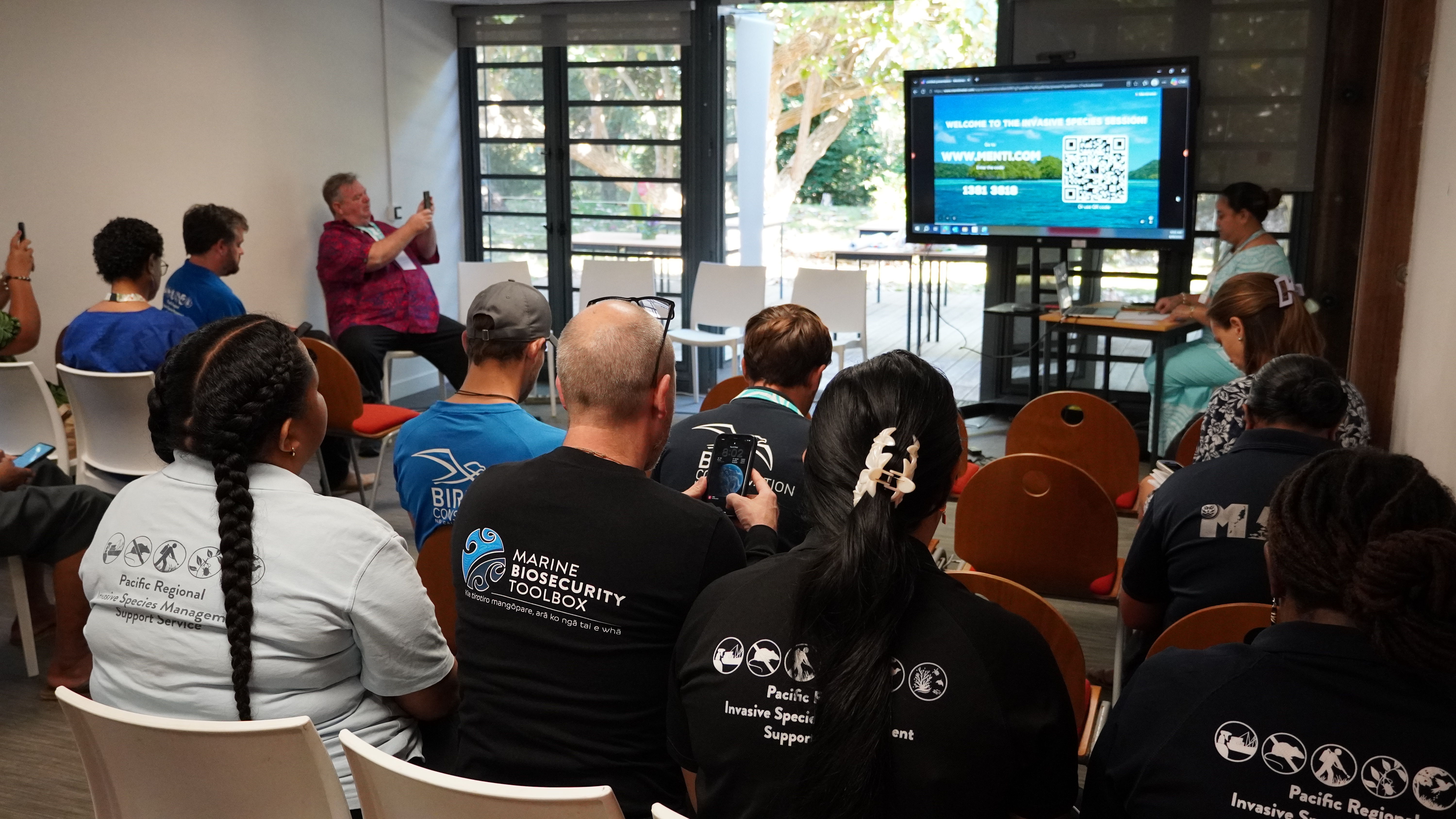
Participants also emphasised the importance of sustained investment in Pacific expertise, national capacity and regional knowledge exchange. Initiatives such as the Pacific Regional Invasive Species Management Support Service (PRISMSS) were highlighted as valuable mechanisms for providing technical support, capacity development and regional collaboration that help countries implement national priorities.
Equally important was the recognition that successful invasive species management depends on communities themselves. Across multiple presentations, speakers stressed that conservation cannot be done for communities. Rather, it must be undertaken with communities through genuine partnerships built on respect, participation and shared decision-making.
Examples from Samoa highlighted the value of national coordination mechanisms, cross-sector collaboration and community engagement in achieving conservation and resilience goals. Experiences shared from Vanuatu demonstrated how Community Conservation Area Committees are promoting community ownership, incorporating traditional knowledge and strengthening the participation of women and young people in conservation decision-making.
Participants agreed that communities should not be considered passive beneficiaries of conservation initiatives. Instead, they are knowledge holders, leaders, co-designers and long-term stewards of conservation outcomes. Pacific worldviews, traditional knowledge systems and local governance structures were consistently identified as essential ingredients for sustainable and culturally appropriate conservation action.
The session aligned strongly with the objectives of the Pacific Islands Framework for Nature Conservation 2026–2030, particularly through its emphasis on linking biodiversity conservation with climate adaptation and community resilience.
Throughout the Pacific, examples demonstrated how invasive species management can help restore ecosystem functions while delivering wider benefits for food security, water security, livelihoods, coastal protection and climate resilience. These outcomes reinforce the interconnected nature of conservation and sustainable development across island ecosystems.
The session also reinforced key Pacific Principles for Conservation, including community ownership, inclusive participation, respect for Pacific cultures and knowledge systems, partnership and collaboration, and integrated approaches to conservation.
While participants celebrated examples of successful community-led conservation, they also identified opportunities for improvement. Stronger integration of these principles into project design, financing arrangements and implementation frameworks was seen as critical. This includes meaningful inclusion of diverse community voices, recognition of traditional knowledge, respect for community data sovereignty, transparent feedback processes, and support for local capacity beyond short-term project cycles.
By the conclusion of the session, participants had reached a consensus that invasive species management is not simply a biodiversity intervention. Nature-based Solution supports ecosystem restoration, strengthens climate resilience, safeguards livelihoods and contributes directly to sustainable development across the Pacific.
As participants agreed, the next steps must focus on strengthening the way invasive species management is communicated, building stronger Pacific evidence and success stories, integrating invasive species management into national biodiversity and climate priorities, strengthening community-led approaches and biosecurity systems, and expanding access to biodiversity, adaptation and climate finance.
The 11th Pacific Islands Conference for Nature Conservation and Protected Areas is held from 7 to 11 September 2026 at the Tjibaou Culturel Centre in Noumea New Caledonia. Bringing together over 400 delegates from across the Pacific, the conference is organised by New Caledonia, Secretariat of the Pacific Regional Environment Programme, and the Pacific Islands Roundtable for Nature Conservation with the support of partners.
For more information please visit : https://www.pacificislandsroundtable.com/pacific-nature-conference