

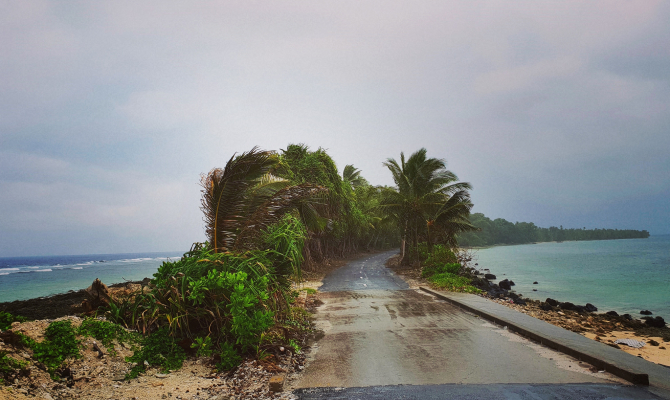
8 November 2026, Antalya - The Pacific’s contribution to the fight to defend the integrity of the science from the IPCC on the 1.5⁰C temperature goal for the survival of humanity has brought hundreds of Pacific Leaders, ministers, senior government representatives and officials to Antalya, Türkiye.
From 9-20 November 2026, the One Pacific Voice will feature prominently in negotiation rooms and pavilion spaces at the 31st Conference of the Parties to the UN Framework Convention on Climate Change (UNFCCC), where they hope to advance collective action to combat climate change.
Ahead of the official COP31 opening on Monday, Pacific officials are already well into their work, starting with the Alliance of Small Island States (AOSIS) preparatory meeting on Thursday and Friday, 5-6 November, followed by the Group of 77 + China preparatory meeting on Saturday and Sunday, 7-8 November.
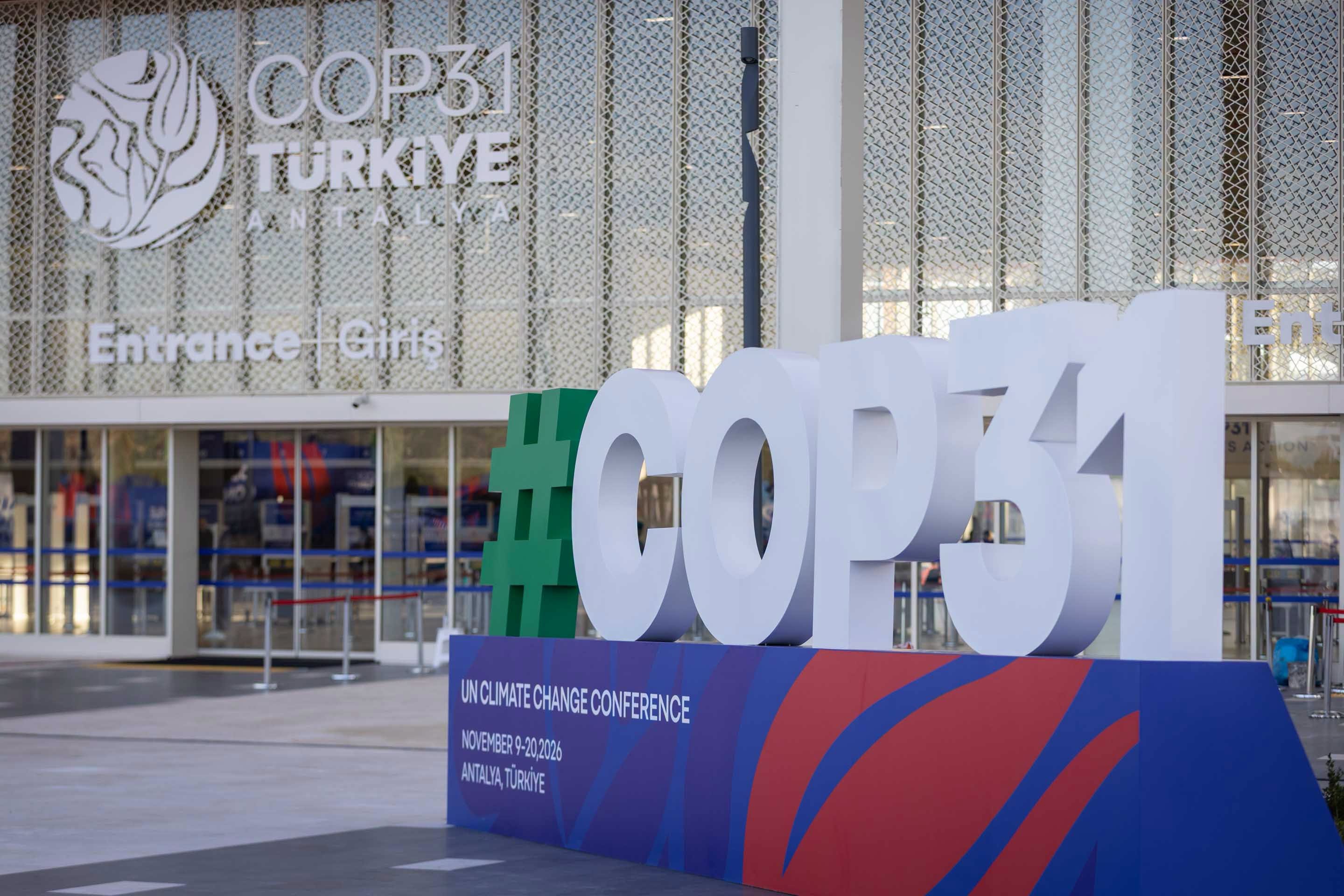
Türkiye is a long way from home for Pacific officials, many making a three-day journey to be in Antalya, a city along the Turkish Riviera, which sits on Anatolia's southwest coast, flanked by the Taurus Mountains.
But their presence is critical. COP Meetings gather heads of state, ministers, scientists, business leaders, and civil society representatives from around the world to assess progress and negotiate how to tackle climate change, which Pacific Leaders have identified as the greatest existential threat to Pacific communities.
COP31 takes place at a time when Scientists have warned that the world is set to temporarily exceed the Paris Agreement’s 1.5°C warming threshold, according to the Limiting Overshoot Report, by the UN Environment Programme (UNEP).
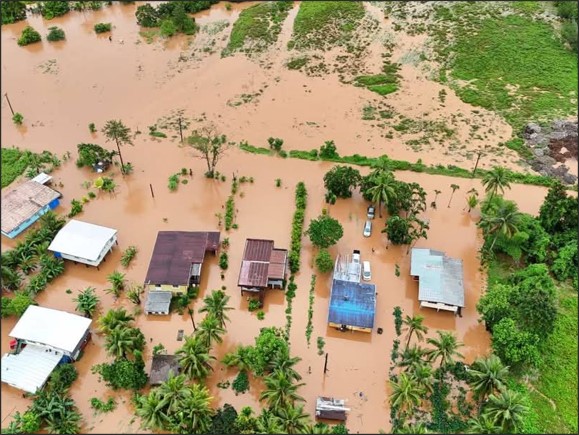
The report warns that above 1.5°C, risks and impacts will intensify with every extra fraction of a degree and every year. Anticipated impacts include intensified extreme weather, ecosystem loss, and submersion of Small Island Developing States and low-lying coastal cities. Severe damage to human health, food security, water supplies, nature, cities, infrastructure, and economies are expected.
Pacific communities unfairly placed at the forefront of these impacts are already experiencing this reality, with a powerful El Niño expected to intensify climate impacts further.
“The possibility of a 1.5 overshoot, in any amount, is catastrophic for our people, our region, and our communities,” said Ms Tagaloa Cooper, SPREP Director Climate Change Resilience. "The magnitude and duration of an overshoot must be minimal for many of our communities to have a liveable future. We have to come back to 1.5C rapidly and we have the technologies and capacity to do so. We just need the political will."
The Secretariat of the Pacific Regional Environment Programme (SPREP), as Chair of the OneCROP, has the mandate as coordinator of Pacific climate change action to lead work on enhancing Pacific engagement at COP31. In Antalya, SPREP is supporting Pacific countries and partners in highlighting Pacific leadership both in the negotiation halls and pavilion spaces, especially at the Moana Blue Pacific Pavilion.
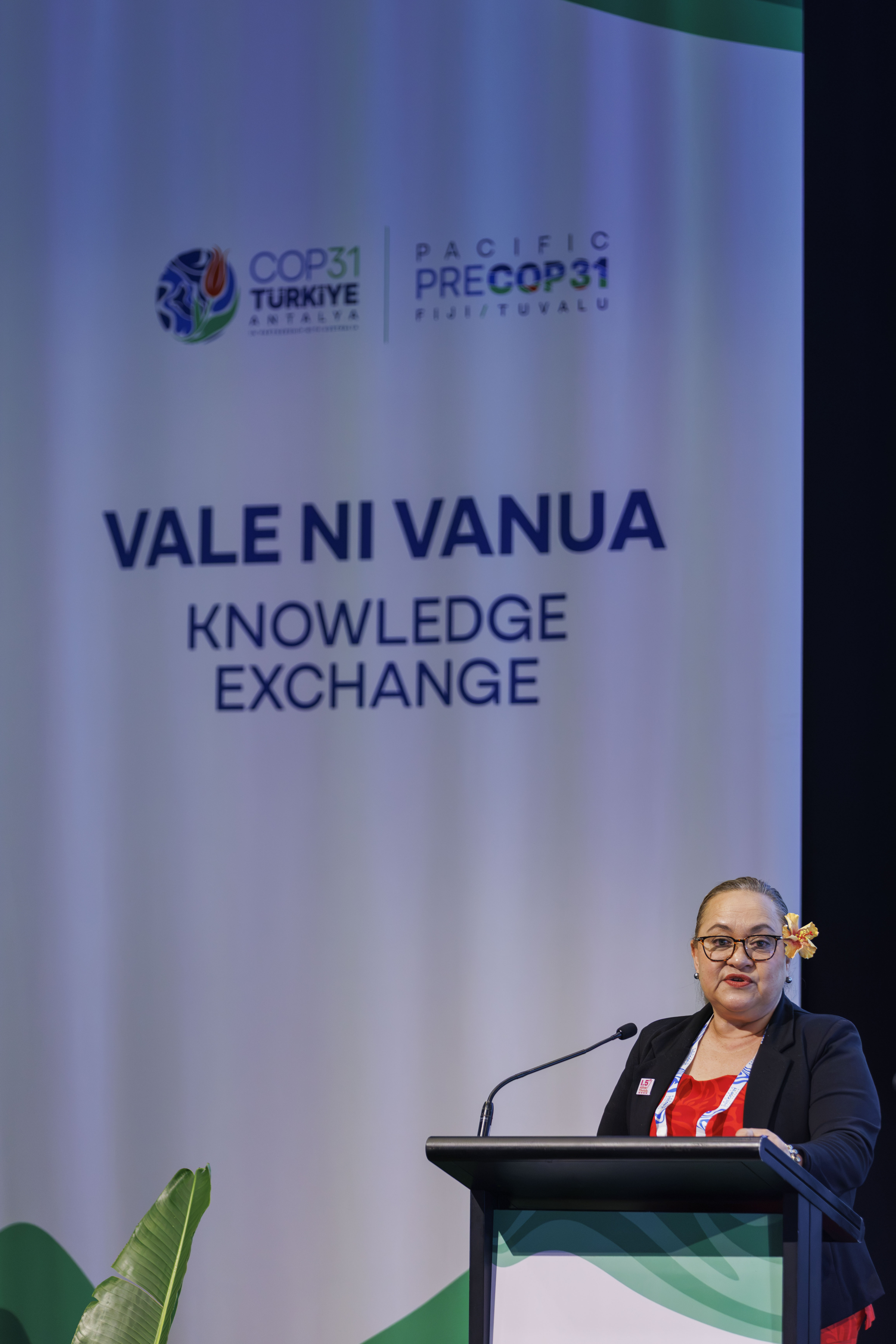
“Our Pacific islands played a key role with many others to ensure that 1.5 is enshrined in the Paris Agreement,” said Ms Cooper. “We’ve worked with others to champion a fund for Loss and Damage, and we continue to amplify our call for 1.5 to stay alive and thrive. Our Pacific will continue to defend the science that underpins and informs our climate policy and actions. This is our message here in Anatalya Türkiye, and what our work in the next two weeks is about.
“Our Pacific environment is our home. It is home to our languages, culture, traditions and as custodians of that home, we are duty bound to protect it.”
The Pacific’s work at COP31 centers around four pillars. They are Keeping 1.5°C within reach, Enhancing access to climate finance, Elevating the ocean-climate nexus and Amplifying Pacific voices and leadership.
Pacific countries arrive in Antalya buoyed by the successful hosting of pre-COP31 by Tuvalu and Fiji, as part of the Australia Pacific COP31 Partnership.
Leaders and negotiators come to Antalya armed with the Taku Pakasoa Declaration endorsed in Fiji which calls on leaders to mobilise the protection for the 1.5 degrees threshold, secure direct, accessible, and grant-based climate finance, protect island states facing existential threats from rising sea levels and bridge the ongoing discrepancy between international climate pledges and real-world execution.
In Antalya, while Türkiye is host, Australia is leading the negotiations, working closely with Pacific countries. Hon. Chris Bowen, President of Negotiations for COP31, and Australian Minister for Climate Change and Energy, acknowledges that COP31 comes at a difficult time for the world.
“Reaching consensus among nearly 200 countries will not be easy but cooperation remains essential. No country can solve climate change alone and we achieve more when countries work together,” he said.
“COP31 will build global momentum, with everyone coming together in Antalya to deliver concrete results."
For host country Türkiye, COP31 is being dubbed as an implementation COP, with Türkiye promoting initiatives on clean energy, food security, resilient cities, greener industries, oceans and waste reduction.
“This is the first COP where it is clear beyond reasonable doubt that the world will overshoot the 1.5-degree target,” said COP31 President-Designate, Murat Kurum. “We will not look away, and we will not lower our ambition. The 1.5-degree target remains our compass, and our duty is to do everything in our power to return to it.”
COP31 will also launch the second global stocktake, the Paris Agreement’s formal process for assessing collective progress towards its long-term goals.
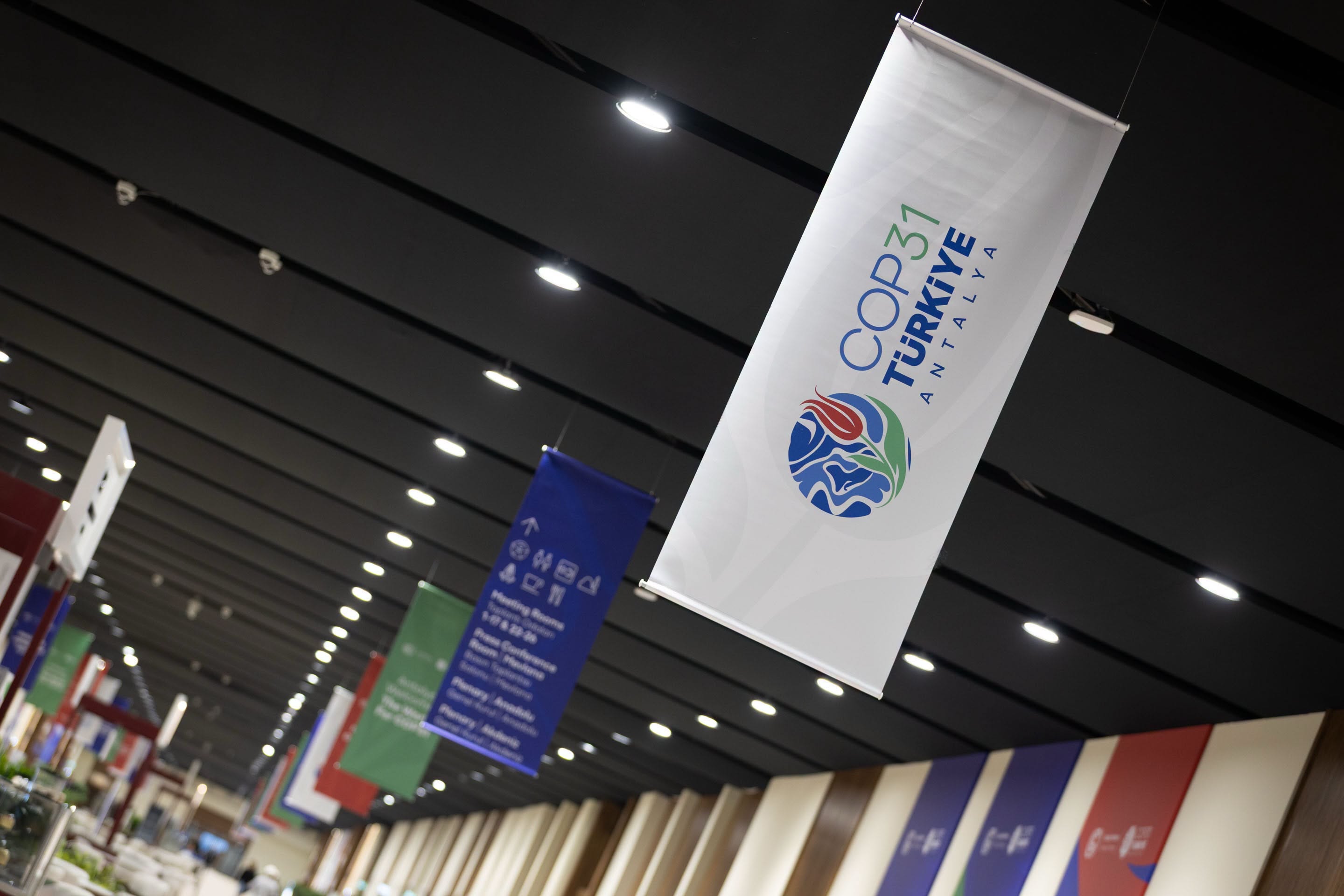
The 31st Conference of the Parties (COP31) to the UN Framework Convention on Climate Change (UNFCCC) is taking place from 9-20 November 2026 in Antalya, Türkiye.
The Pacific Islands Parties to the UNFCCC are Cook Islands, Federated States of Micronesia, Fiji, Kiribati, Republic of Marshall Islands, Republic of Naoero, Niue, Palau, Papua New Guinea, Samoa, Solomon Islands, Tonga, Tuvalu and Vanuatu.
For further information on the Pacific at COP31 please visit: www.sprep.org/cop31