

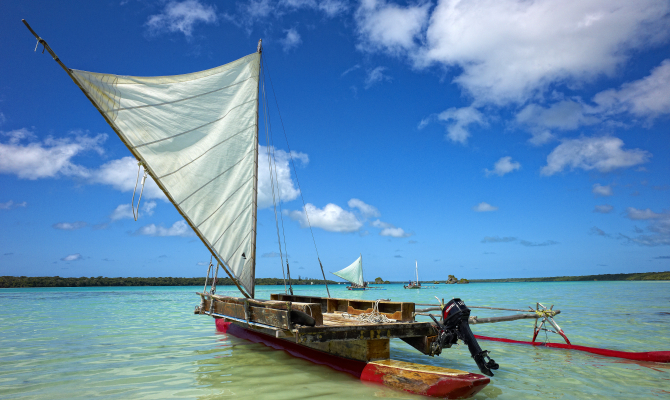
9 September 2026, Nouméa, New Caledonia - With the outrigger canoe, or va’a, as its unifying symbol, the Secretariat of the Pacific Regional Environment Programme (SPREP) convened a side event this afternoon alongside the 11th Pacific Islands Conference on Nature Conservation (PCNC11).
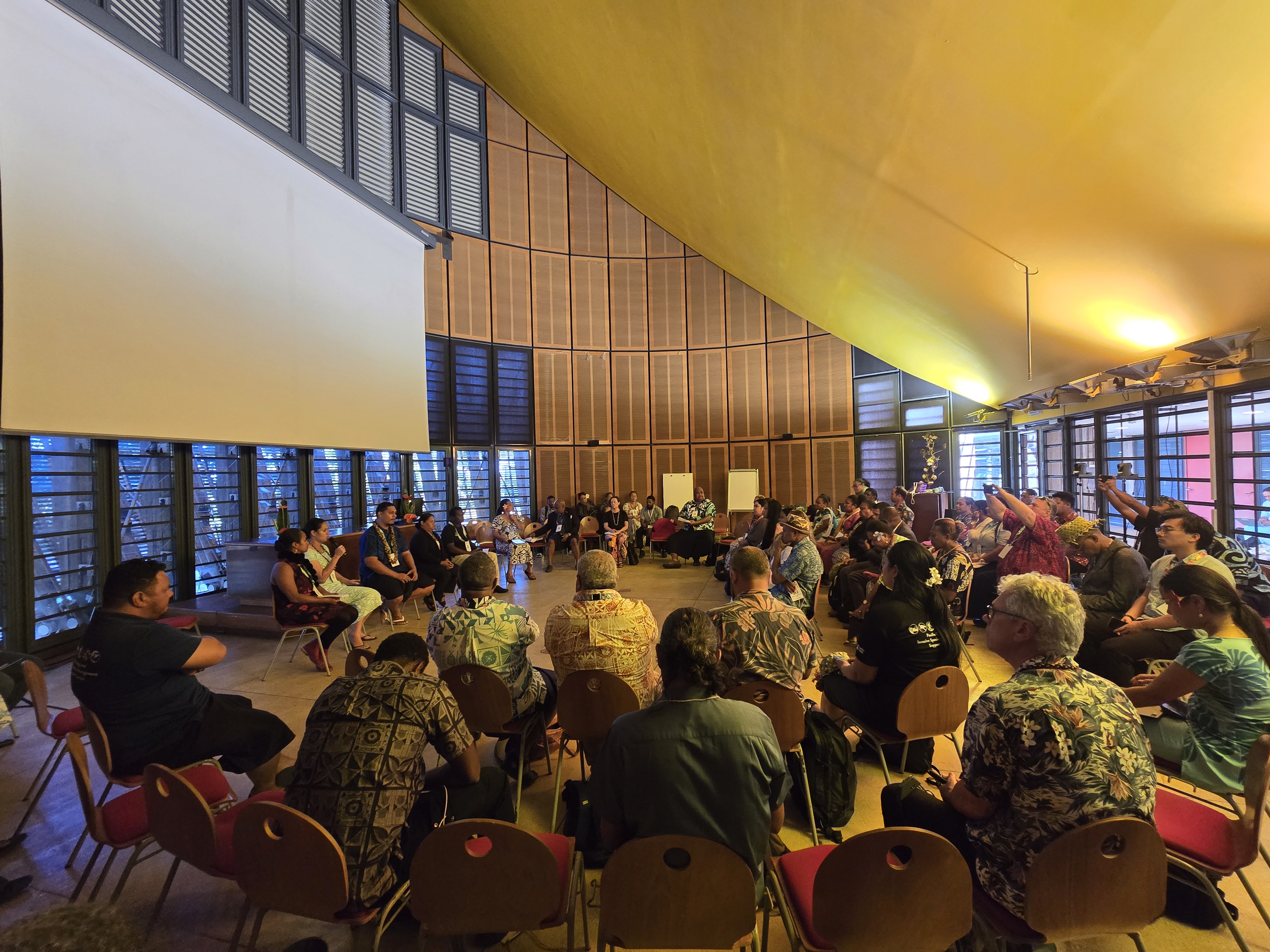
Framed around the region’s response to the triple planetary crisis of climate change, biodiversity loss and pollution, the session brought together representatives from SPREP Member countries for a panel discussion to inform future directions for SPREP and partners.
The dialogue navigated shared achievements and persistent challenges at the national level in addressing the interconnected nature of these crises, while also outlining SPREP’s strategic approach to supporting coordinated, Pacific‑led action.
“The va’a only moves forward when every paddle strokes are in unison” said Mr Sefanaia Nawadra, Director General of SPREP.
“One Va’a, One SPREP’ is our commitment to navigating the triple planetary crisis as one region, weaving together science and traditional knowledge, strengthening coordination across our programmes internally and with our members and staying agile as new challenges and opportunities arise” he added.
The triple planetary crisis is rapidly and permanently changing the region’s environment, eroding livelihoods and cultures that have been sustained for thousands of years by the Pacific’s rich and unique biodiversity.
Shared wins and challenges in the dialogue ranged across the front lines of the crisis: invasive species, blue carbon and marine ecosystems, protected areas, threatened and migratory species, nature‑based adaptation, marine pollution and the youth and community‑led initiatives increasingly carrying the region’s hopes.
Representing Samoa, Mr Vatapuia Maiava of the Ministry of Natural Resources and Environment, shared “Through initiatives like the Pacific Regional Invasive Species Management Support Service (PRISMSS), we are changing mindsets about what nature conservation means for our people. When we eradicate feral pigs and rats from offshore islands, seabird colonies recover, more nutrients flow onto our reefs and fish stocks increase. In other words, we conserve nature for our people and our people see the benefits in their livelihoods and their future.”
While considerable efforts are underway at the national level, significant challenges persist and remain strikingly similar across the region.
“In Palau, one of the critical gaps we need to tackle to improve our collective response to biodiversity loss is the lack of data collection,” said Ms Jevon Sato of Palau’s Bureau of Environment.
“In Solomon Islands, we face persistent challenges in coordinating with partners to ensure coherency and efficiency. Further, we would like to see more of the funding reach our frontline communities to support their work on conservation. What we need now is greater investment in empowering local communities, because when communities lead, conservation delivers real benefits for people and nature,” said Mr Veira Talilotu of Solomon Islands.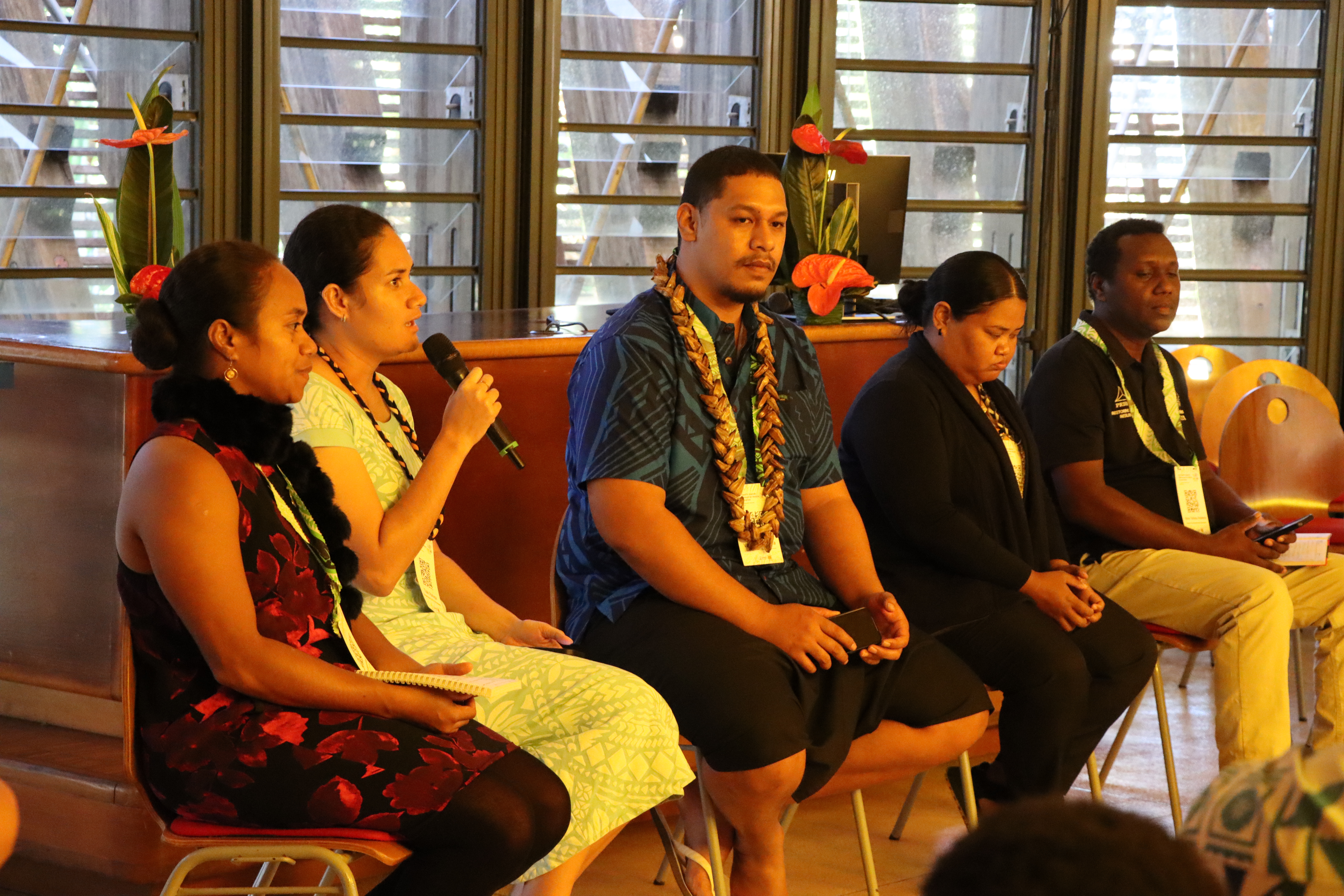
Today’s voyage, however, is one of response. At the centre of the event sits the direction of SPREP’s next ten year Strategic Plan and its aligned Biodiversity Conservation Business Plan, “Scaling Nature‑First Investment Across the Blue Pacific”.
Both are instruments designed to translate member priorities into action. Informed by the recently adopted regional State of Environment and Conservation 2025 Report, these plans are geared to deliver on biodiversity commitments, the 2050 Strategy for the Blue Pacific Continent and the Pacific Islands Framework for Nature Conservation and Protected Areas.
The session closed with a look to the voyage ahead, a strengthened collaborative effort to implement the Framework for Nature Conservation and Protected Areas, firmer governance to keep nature conservation member‑led, and a business plan built to unlock lasting investment for the Blue Pacific.
Looking ahead, SPREP will continue to work with members and partners to operationalise its strategic directions through targeted projects, improved data and monitoring systems, and enhanced support for Pacific-led conservation. In doing so, SPREP aims to ensure that the va’a continues to move forward powered by united paddles, shared purpose and a clear course toward a resilient Blue Pacific.
The 11th Pacific Islands Conference for Nature Conservation and Protected Areas is held from 7 to 11 September 2026 at the Tjibaou Culturel Centre in Noumea New Caledonia. Bringing together over 400 delegates from across the Pacific, the conference is organised by New Caledonia, Secretariat of the Pacific Regional Environment Programme, and the Pacific Islands Roundtable for Nature Conservation with the support of partners.
For more information please visit : https://www.pacificislandsroundtable.com/pacific-nature-conference