

5 November 2026, Nadi, Fiji - Pacific Island countries are facing common challenges in advancing Marine Spatial Planning (MSP), including gaps in data availability, technical capacity, coordination and stakeholder engagement, prompting calls for stronger regional cooperation and knowledge-sharing.
More than 90 participants from 14 Pacific Island countries are meeting in Nadi from 2 to 6 November for the Regional Marine Spatial Planning Learning and Knowledge Exchange Workshop to share national experiences, discuss implementation challenges and identify practical ways to strengthen marine spatial planning across the region.
In his opening remarks, Mr Jope Davetanivalu, Director of SPREP’s Environmental Governance Programme, said Pacific countries held valuable knowledge and experience that could help advance marine spatial planning throughout the region.
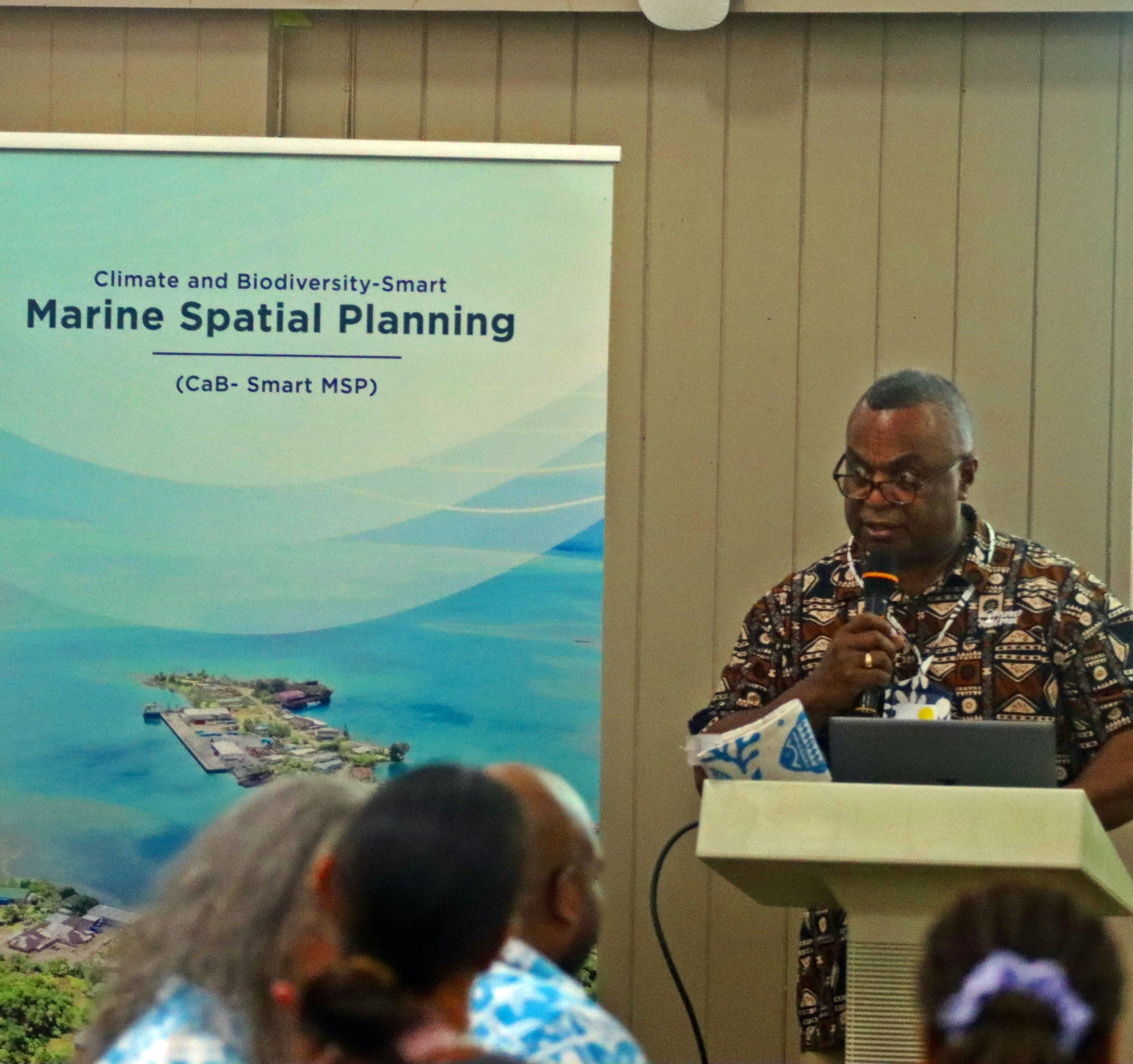
“You, our national practitioners, leaders, and community voices, are the true knowledge holders,” he said.
He described Marine Spatial Planning as more than policies, governance or maps, saying it was a collective approach to balancing environmental protection with economic prosperity while sustaining communities, safeguarding biodiversity and building resilience to climate change.
“Our ocean does not stop at national borders, and neither should our collective wisdom,” he said.
Mr Davetanivalu acknowledged the collaboration and financial assistance of the Governments of New Zealand and the United States, which helped make the regional gathering possible.
The workshop builds on regional investments supporting the development of MSP across the Pacific, including the Climate and Biodiversity-Smart Marine Spatial Planning (CaB-Smart MSP) Programme, funded by New Zealand through its Ministry of Foreign Affairs and Trade (MFAT), and the Marine Spatial Planning for a Blue Pacific Economy initiative, funded by the U.S. Department of State. These initiatives have supported countries to strengthen ocean governance, improve planning processes and advance their national MSP prioritiesAcross the Pacific, countries are progressing with MSP at different rates and through their own governance, policy and institutional arrangements. As national initiatives develop, countries have identified common needs for stronger coordination, improved access to data, technical capacity, implementation support and meaningful engagement with communities and stakeholders.
In response to these shared challenges, the five-day workshop is designed around country-led discussions and peer-to-peer learning rather than traditional presentation-based sessions.
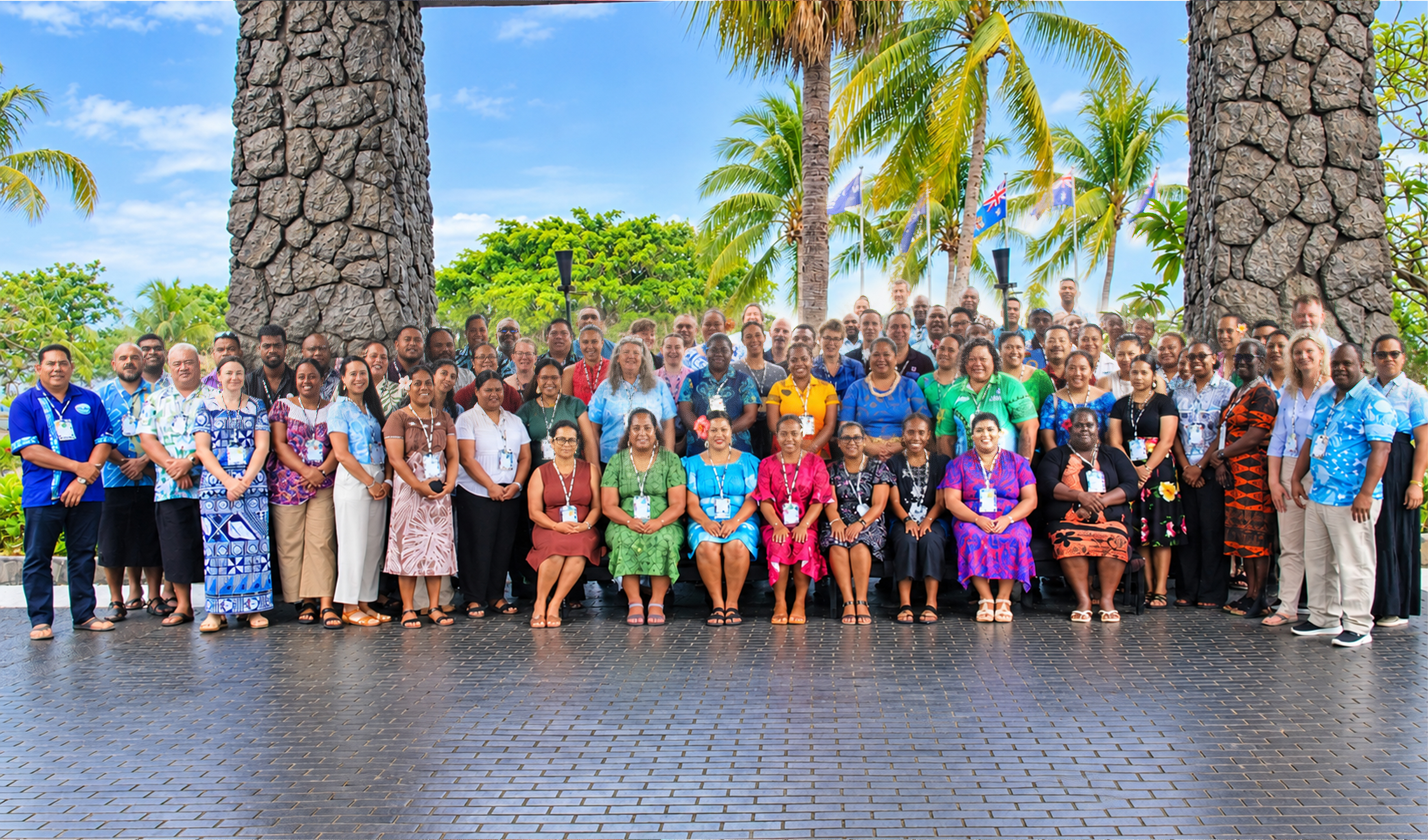
Co-organised by the Secretariat of the Pacific Regional Environment Programme (SPREP) and the Pacific Community (SPC), the workshop places national practitioners at the centre of discussions, with regional organisations, technical experts and development partners participating primarily as facilitators, advisers and resource people.
Participants are sharing their national MSP journeys, identifying achievements and challenges, and exchanging lessons that other countries may be able to adapt to their own circumstances.
For Kiribati, marine spatial planning is helping bring communities, government and ocean users together to guide the sustainable use and conservation of the country's ocean resources.
“For Kiribati, marine spatial planning brings communities, government and ocean users together to guide how we sustainably use and conserve our ocean. Through this work, we are strengthening coordination across sectors, promoting inclusive participation and supporting informed decisions that balance different ocean uses. Central to our approach is recognizing, respecting and strengthening our cultural and traditional governance structures and protocols to safeguard the connections between our people and the ocean,” said Mr Kaiea Awira, National CaB-Smart MSP Coordinator, Ministry of Fisheries and Ocean Resources.
“We also bring traditional knowledge and scientific evidence together to inform ocean management. I am pleased to share my national experience this week as we work towards a healthy, resilient and productive ocean that sustains I-Kiribati livelihoods and prosperity for generations to come.”
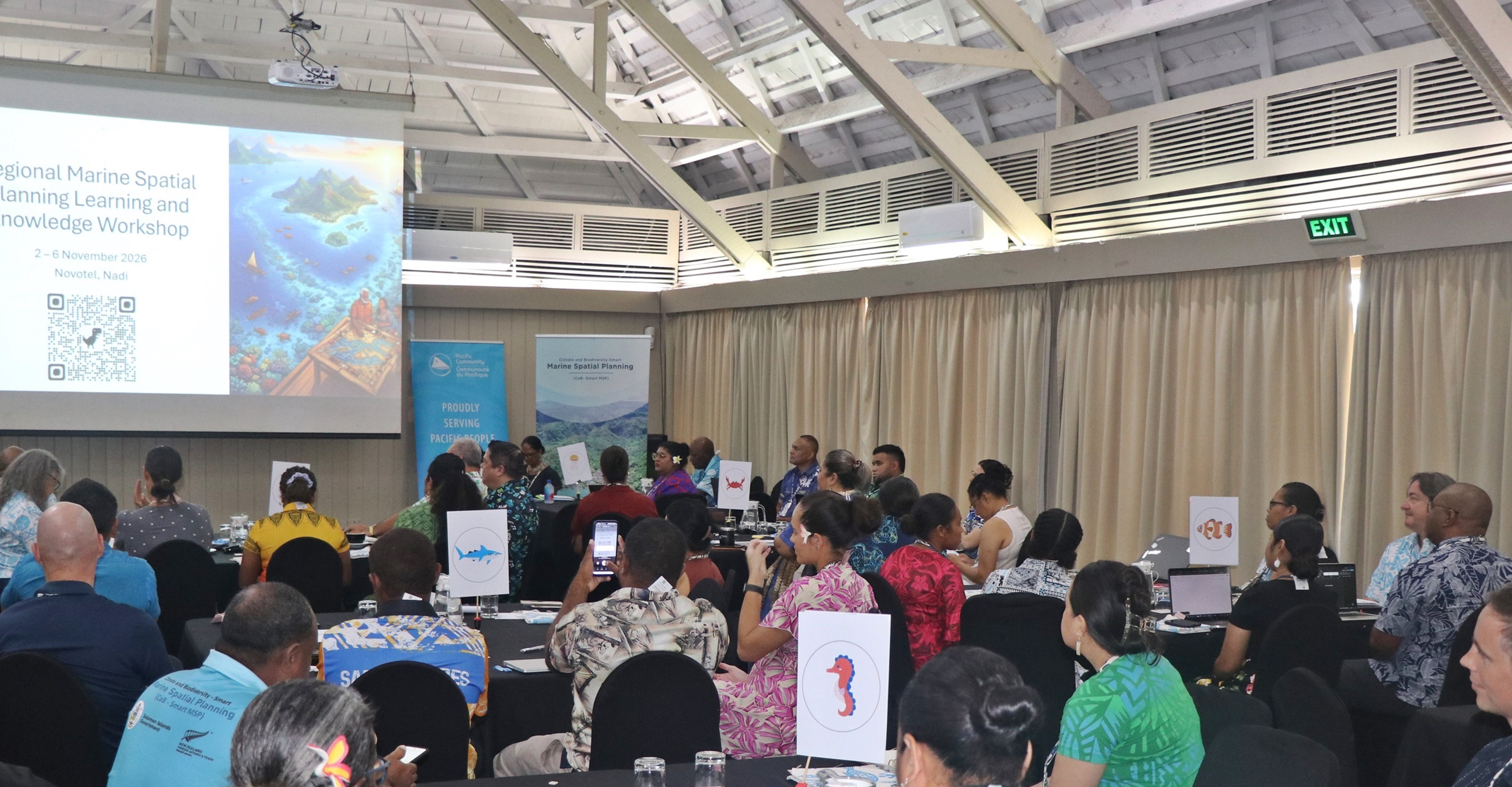
The programme also includes scenario-based problem-solving on data and evidence for MSP decision-making, national ocean planning and cross-sector coordination, protected-area trade-offs, and regional collaboration among countries and technical partners.
Technical showcases and targeted discussions provide opportunities to examine practical tools and approaches, while technical clinics address challenges involving spatial information, policy and legislation, stakeholder engagement, traditional knowledge and implementation support.
“Pacific countries are at different stages of their marine spatial planning journeys, but they face many shared opportunities and challenges. By bringing countries together to exchange lessons, discuss what works in practice and learn from one another’s experiences, we can accelerate progress while supporting nationally led MSP across the region,” said Ms Sally Bailey, Marine Spatial Planning Coordinator, SPC.
Ms Lucy Jacob, Senior Adviser at Pacific Oceans and Fisheries, stated, "Marine spatial planning is a complex process that depends on the active and inclusive participation of all ocean users. Every Pacific country is approaching it in its own way, and New Zealand is pleased to support partners in ways that reflect their unique needs and circumstances.
This week provides a valuable opportunity for countries from across the region to share challenges, exchange solutions, and strengthen the partnerships that will help advance marine spatial planning in the Pacific."
The workshop aims to translate shared experiences into practical national priorities and opportunities for regional collaboration. Participants will identify realistic next steps for their countries, connections they can pursue with other practitioners and partners, and areas where further technical, financial or partnership support is needed.
The discussions are also expected to strengthen relationships between national practitioners and regional partners, providing opportunities for continued peer learning and knowledge exchange beyond the workshop.
By placing Pacific countries' experiences, knowledge and priorities at the centre of marine planning discussions, the gathering seeks to strengthen national MSP implementation and support a more coordinated approach to managing the region's shared ocean resources and advancing a sustainable Blue Pacific Economy.
The Regional Marine Spatial Planning Learning and Knowledge Exchange Workshop was possible through the generous support of the Climate and Biodiversity Marine Spatial Planning (CaB-Smart MSP) Programme funded by New Zealand Ministry of Foreign Affairs and Trade and the MSP for a Blue Pacific Economy, funded by the U.S. Department of State. It was jointly implemented by the Secretariat of the Pacific Regional Environment Programme (SPREP) and the Pacific Community.