


Science must underpin decision-making at all levels when it comes to addressing climate change, even those made by the global community through the processes of the UN Framework Convention on Climate Change (UNFCCC). This was emphasised by our Pacific Islands as they attended the 65th Session of the Intergovernmental Panel on Climate Change (IPCC 65) in October.
Calling for the release of the Seventh Assessment Report (AR7) of the IPCC to align with the Second Global Stocktake (GST2) of the UNFCCC in 2028, the Pacific stressed this scientific data would drive informed decisions for our survival – in line with achieving the 1.5°C warming limit.
As the Oceania Envoy for 1.5 and the representative from the Republic of the Marshall Islands, Ms Tina Stege strongly encouraged IPCC to have all three working group reports released in 2028. “The comprehensive data covering physical science, adaptation/vulnerability and mitigation, is essential in shaping imminent national policy, protecting lives and strengthening legal arguments to keep the 1.5 warming limit within reach.”
This call from the Pacific was in response to proposals from governments to delay the release of the reports until after the GST2 to allow time for more developing countries to engage. This was opposed by the Pacific who stood firm in keeping the original timeline for the release of the reports from the three Working Groups in 2028.
“Holding back the reports will not close the equity issues being raised,” said Ms Agnetha Karamui of Solomon Islands.
“Our sinking islands do not see timelines. Our acidifying oceans do not follow principles and procedures. Science is not an end. It is a means to an end.”
For the first time since the IPCC was formed in 1998, more than half of AR7 authors come from developing countries. Around 5% are from Small Island Developing States (SIDS), up from 4% in AR6, and 8% are from Least Developed Countries, up from 5%.
Ms Karamui rejected the proposal that developing countries need a delay to take part: “Barriers to engagement are not being seen as a motivation to help, but as a reason to hold us back. Our scientists are already present within the IPCC.”
The Global Stocktake is a critical UNFCCC process that assesses collective progress by all countries towards the goals of the Paris Agreement. The first Global Stocktake released during the 28th Conference of the Parties to the UNFCCC in 2023, utilised assessed research findings published in the Sixth Assessment Report (AR6) in 2021/2022.
Conducting a second global stocktake built on the same evidence from AR6 would be a repeat of the first that would omit five more years of research, much of it conducted by scientists from developing countries, including the Pacific.
During the IPCC65, Dr Yimnang Golbuu of Palau called for more support to enable developing countries to engage effectively with the IPCC. “Our populations are small. But our concerns are large. Having two representatives will make a big difference in our engagement,” said Dr Golbuu.
Kiribati, through Mr Mika Bati, joined several other countries in supporting an increase in the number of funded government delegates under the IPCC Trust Fund from one to two. “Our single delegate is often the head, script writer, researcher, communications officer all in one,” stated Mr Bati.
Loss and damage, and legal accountability
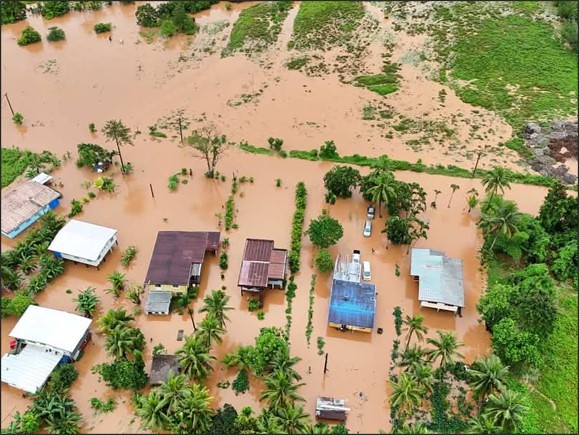
The Working Group I report, on impacts, adaptation and vulnerability, will, for the first time, includes a chapter dedicated to responses to loss and damage. This includes non-economic losses such as culture, identity, ancestral land and burial grounds. Mr Antfalo Levu of Vanuatu described these as “losses that cannot be insured. Losses that cannot be rebuilt.”
This evidence base helps Pacific countries quantify climate impacts on their islands and support their claims to international climate funds, such as the Green Climate Fund, the Adaptation Fund and the Fund for Responding to Loss and Damage.
Vanuatu also linked the science directly to international law. In July 2025, the International Court of Justice affirmed that States have binding obligations to protect the climate system. In May 2026, the United Nations (UN) General Assembly welcomed that opinion with 141 votes in favour.
“Climate science is no longer merely a policy reference. It is now the baseline for legal compliance,” Vanuatu told the IPCC 65.
“Every year of delay is a year in which communities on the frontline bear losses that cannot yet be measured or claimed.” He added, “In the Pacific, a skewed timeline means a seawall built too low or relocation planned too late.”
Over five days, the Panel considered procedures, the IPCC budget for 2026–2029 and the timeline for the Seventh Assessment Report (AR7). This is important as the science informs policy and decision-making at the 31st UN Climate Change Conference (COP31) in Antalya, Türkiye, which commences on 9 November. It closed on Friday, 16 October. Countries still needed to agree on the AR7 timeline and the IPCC budget with corresponding workplan.
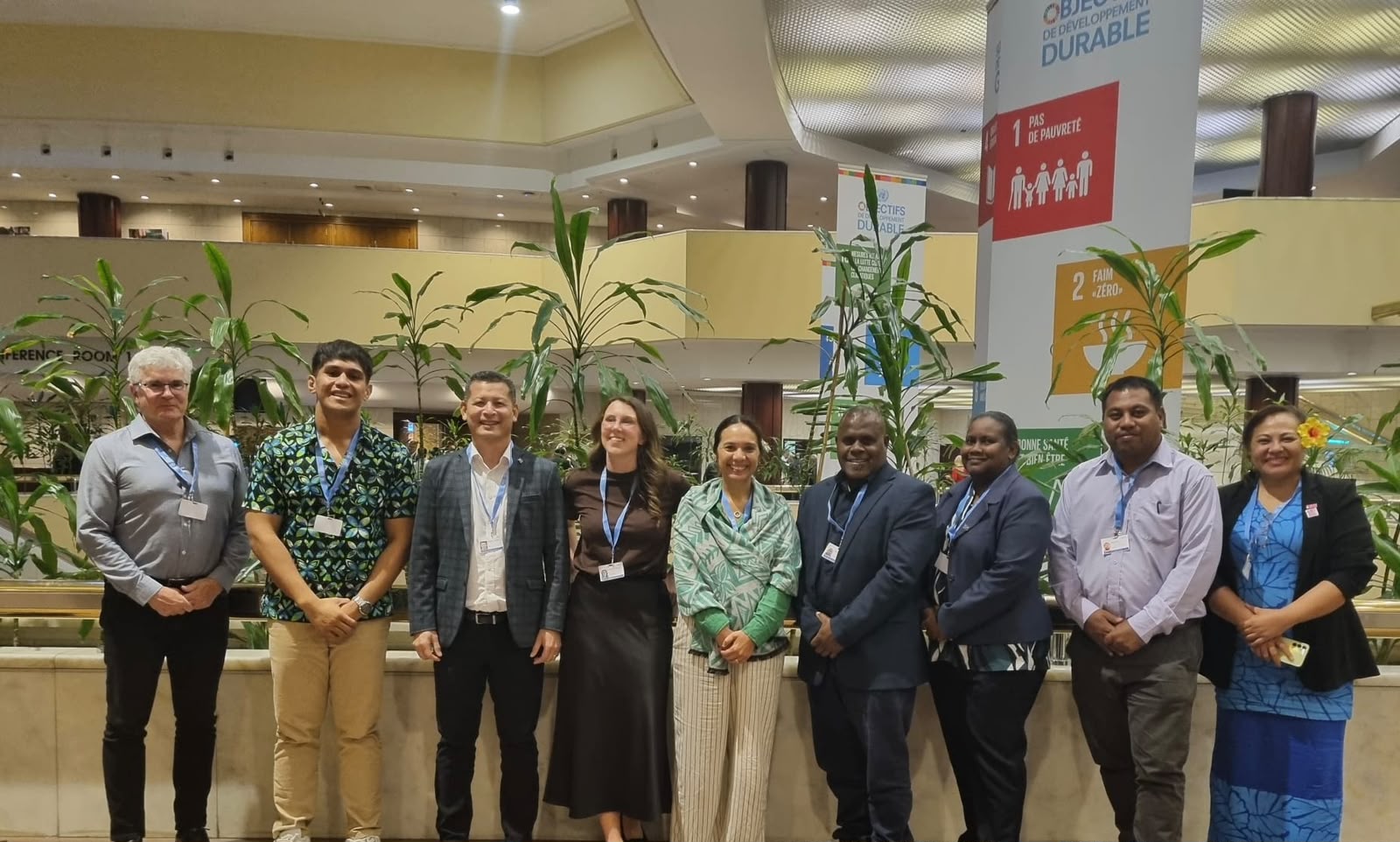
The Pacific Small Island Developing States (PSIDS) delegation comprised one representative from Kiribati, Palau, Republic of the Marshall Islands, Solomon Islands and Vanuatu with technical and coordination support from the Climate Change Resilience Programme through the Pacific Climate Change Centre at the Secretariat of the Pacific Regional Environment Programme (SPREP).
Governments from around the world met in Addis Ababa, Ethiopia, from 12 to 16 October 2026 for the 65th Session of the Intergovernmental Panel on Climate Change (IPCC 65).
The region has been building its own engagement. The Secretariat of the Pacific Regional Environment Programme (SPREP), through support from the Australian and New Zealand governments, has supported 14 Pacific Small Island Developing States (PSIDS) with writing workshops, regional dialogues and the recent launch of the Pacific Climate Change Journal.