

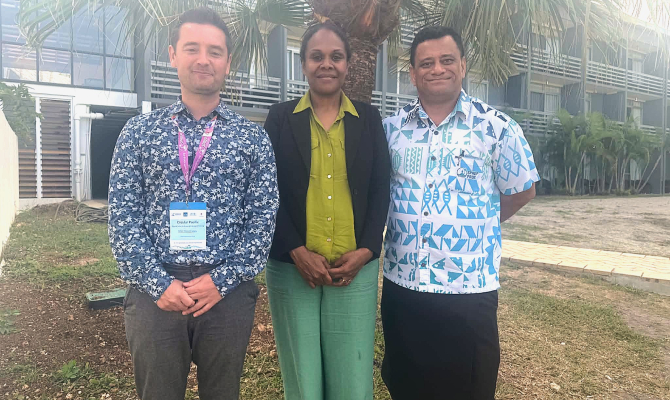
17 September 2026, Port Vila - Government representatives, producers, recyclers, development partners, CROP agencies and waste management practitioners from across the Pacific have gathered in Port Vila this week.
They are there for the Circular Pacific via Regional Recycling Network (CP-RRN) Co-Design Workshop and Capacity Building Event, a landmark initiative aimed at strengthening regional cooperation on recycling and advancing circular economy solutions for Pacific Island countries.
The CP-RRN Project supports Pacific Island countries in developing coordinated approaches to managing recyclable materials and reducing waste leakage into the environment. The outcomes of this workshop are expected to contribute to a stronger regional response to waste challenges while advancing circular economy opportunities and sustainable development across the Pacific.
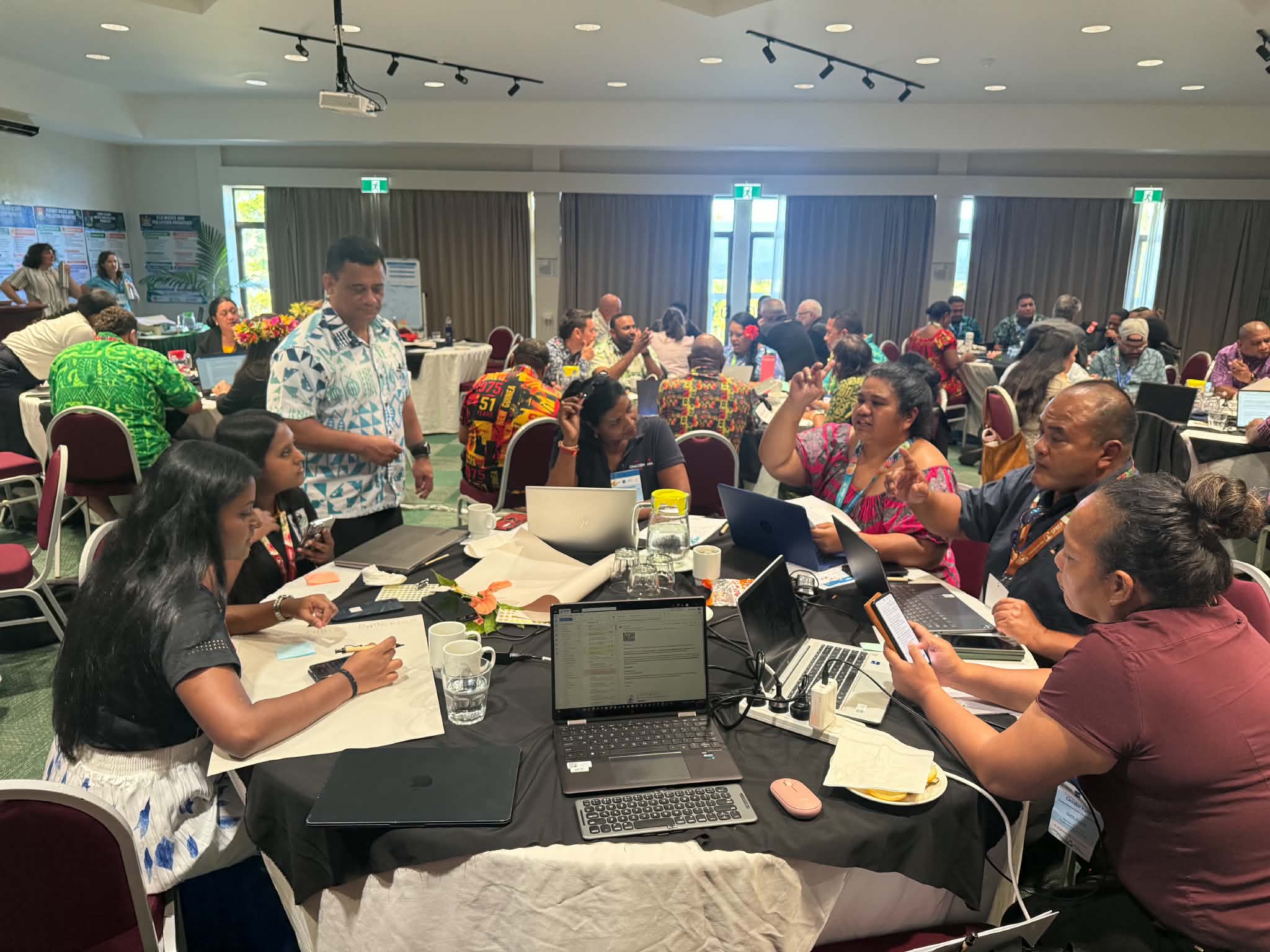
The workshop is being held from 16 to 18 September 2026 at the Holiday Inn Resort, Port Vila, bringing together stakeholders involved in the manufacture, import, collection, pre-processing, recycling, and end-of-life management of key waste streams to jointly design the foundations of a regional framework for improving recycling and circularity outcomes across the Pacific.
Ms Ionie Bolenga, Principal Environmental Protection Officer, Government of Vanuatu, highlighted the importance of the gathering.
“Vanuatu is pleased to host this important regional event and welcomes participants from across the Pacific. The discussions taking place this week will help strengthen partnerships and identify practical actions to address shared waste and pollution challenges,” she said.
“Regional cooperation is essential if we are to unlock circular economy opportunities and build more sustainable communities across the Pacific.”
The gathering this week seeks to identify practical policy and investment actions that can support Pacific Island countries in improving the management of recyclable materials while generating environmental, economic, and social benefits. Participants are exploring opportunities to harmonise approaches across the region and strengthen collaboration for a stronger voice in front of polluters and the one placing product in the market in the first place.
The workshop will also examine financing mechanisms, policy approaches, and implementation pathways that can support more effective recycling systems and improve resource recovery outcomes across Pacific Island countries.
Anthony Talouli, Director of Waste Management and Pollution Control at SPREP, said:
“Pacific Island countries are facing growing challenges in managing waste and recyclable materials. Through this Pacific-led process, stakeholders from across the recycling value chain are working together to lay the foundations for a regional approach that strengthens resource recovery, reduces environmental impacts, creates economic opportunities, and supports cleaner and more resilient Pacific communities.”
Marc Perez Casas, of the Asian Development Bank (ADB), said: “Strengthening recycling and circular economy systems requires strong partnerships, practical solutions, and sustainable financing. This workshop provides an important platform for Pacific countries to identify priorities and shape a shared regional approach.”
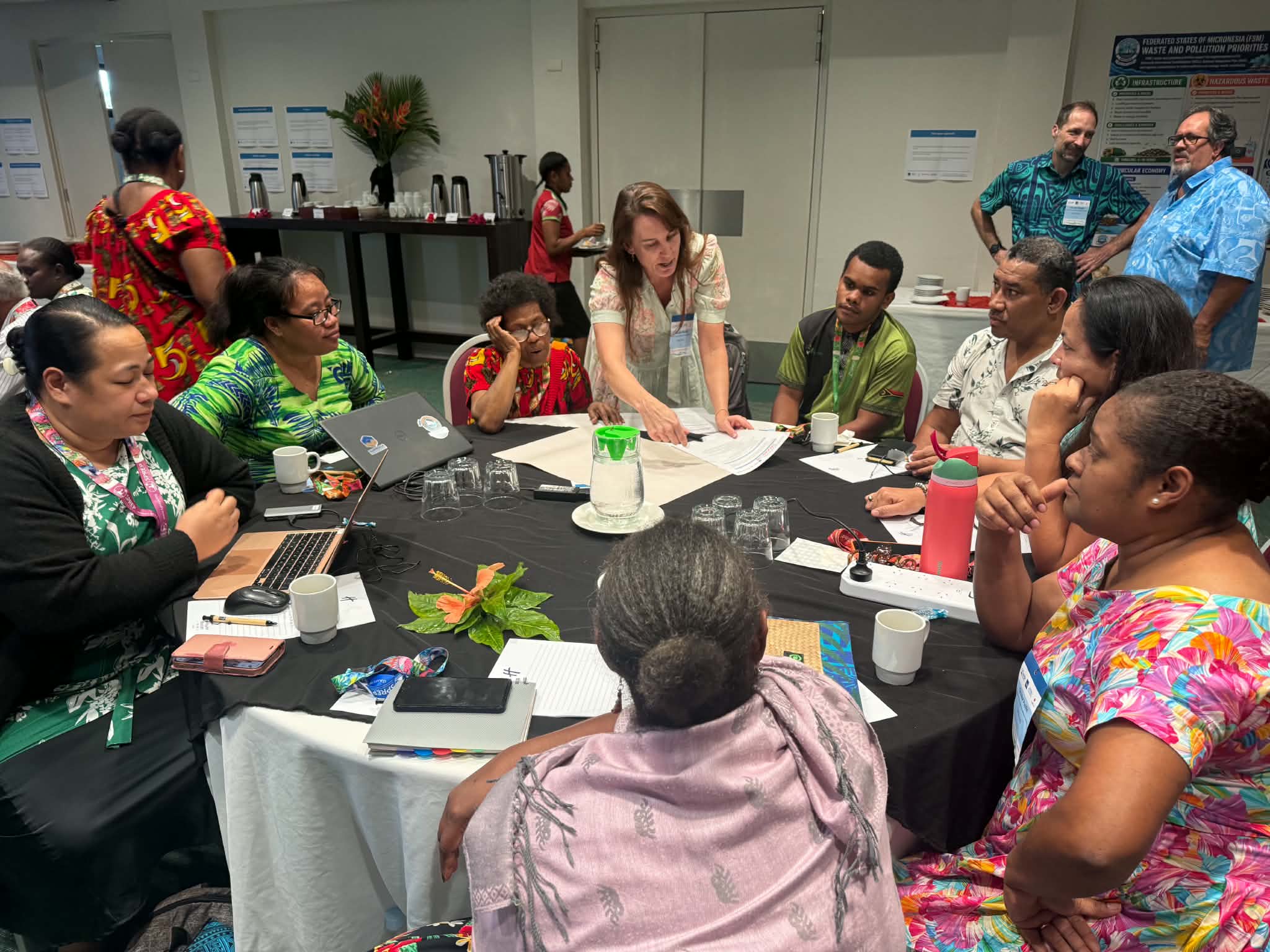
A key area of discussion is the role of sustainable waste financing mechanisms, including Extended Producer Responsibility (EPR) approach and others that apply the polluter-pays principle. Through presentations, group discussions, case studies, and site visits, participants will explore how these approaches can strengthen collection systems, increase resource recovery, and improve waste management outcomes in Pacific Island countries and territories.
The workshop is guided by a co-design approach that promotes equity of voice, shared decision-making, transparency, local knowledge, and action-oriented outcomes. This approach aims to ensure that Pacific perspectives and experiences directly inform the development of the regional framework.
Expected outputs include agreement on common principles for a regional framework, identification of priority policy and investment actions, clarification of stakeholder roles and responsibilities, and recommendations for detailed design and phased implementation. Participants will also contribute to an evidence base that will support future policy development and regional collaboration.
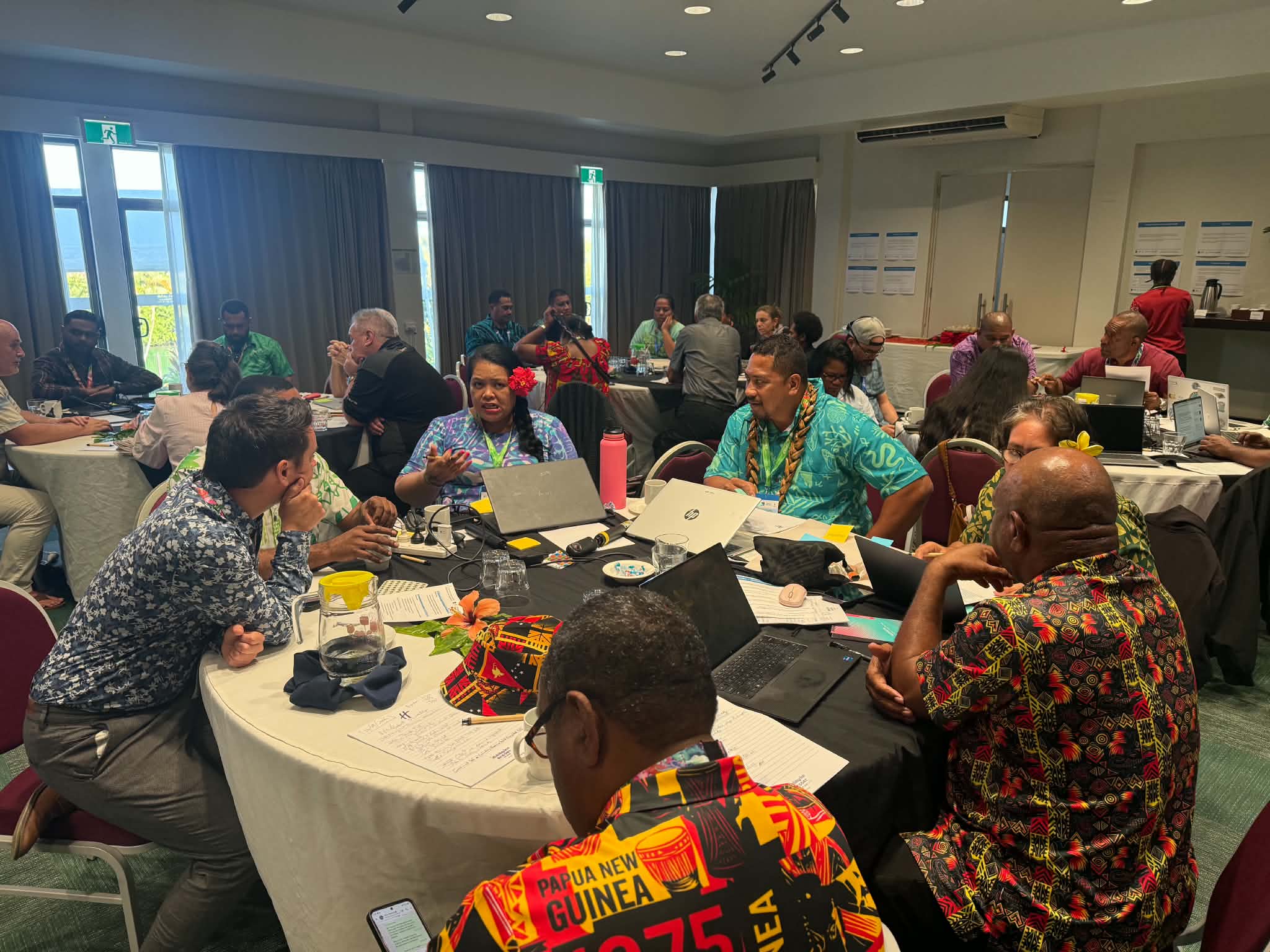
As part of the workshop programme, participants will undertake site visits to local recycling and resource recovery initiatives in Vanuatu, providing practical insights into existing waste management systems and opportunities for improvement. These include visits to a used oil recovery facility, Vanuatu Water, and private-sector recycling initiatives.