

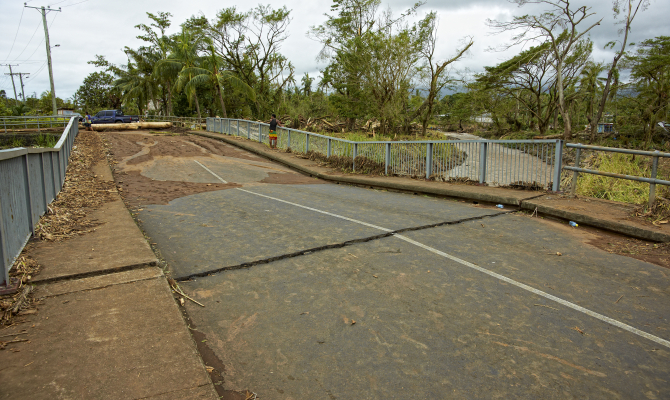
23 October 2026, Melbourne, Australia - Pacific Island countries are preparing assessments and community research to identify climate-related health risks through the Pacific Action to Enhance the Visibility of Evidence on Health and Climate Impacts (PAVE-Health) project. Jointly led by the Secretariat of the Pacific Regional Environment Programme (SPREP), through its Pacific Climate Change Centre (PCCC), and the University of Melbourne, the three-year initiative launched in October 2025 and is funded by an AUD$4.8 million Climate Impact Award from the Wellcome Trust.
Held at the Sidney Myer Asia Centre from 19–23 October, Regional Workshop 2 brings together policymakers, researchers and technical experts from the Federated States of Micronesia (FSM), Kiribati, Samoa and Solomon Islands. Participants are planning the next phase of in-country training and research, combining scientific evidence with traditional knowledge and local environmental insights.
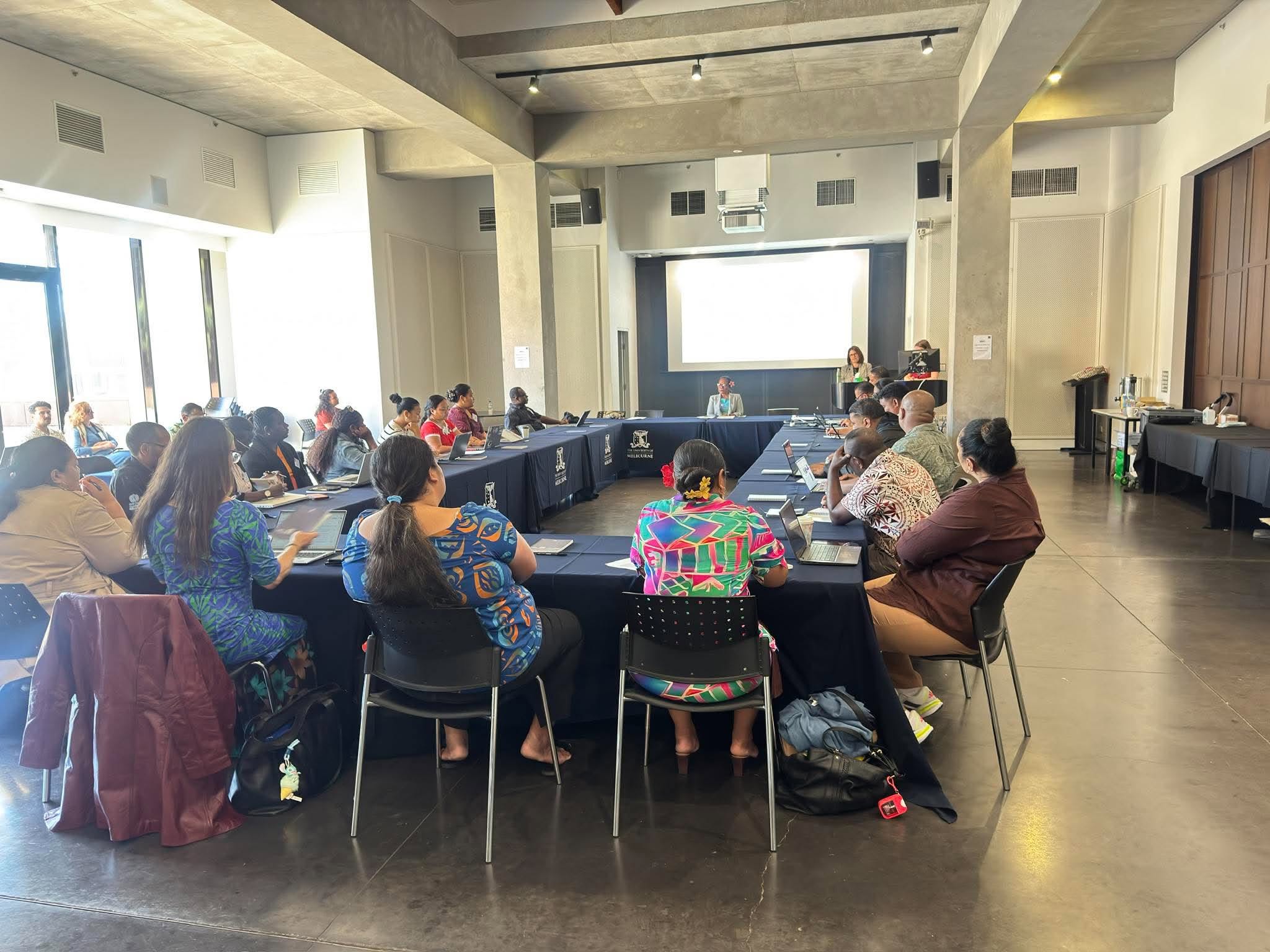
The workshop supports country teams to translate climate and health evidence into practical assessments and responses for vulnerable communities across the Pacific.
Shifting Gears to Direct In-Country Action
Regional Workshop 2 focuses on planning Vulnerability and Capacity Assessments (VCAs) and community-based research in four communities in each partner country, using existing data and local knowledge to identify climate-related health risks.
“Our Pacific countries face profound, urgent, and common challenges: climate-sensitive health risks, evidence and data gaps, and constrained resources,” said Ms Filomena Nelson, Climate Change Adaptation Adviser, speaking on behalf of SPREP’s Director-General. “But we also possess monumental strengths – skilled practitioners, committed institutions, and invaluable traditional knowledge. This workshop is about collective action. We must translate complex environmental data into practical policy tools that safeguard our most vulnerable populations.”
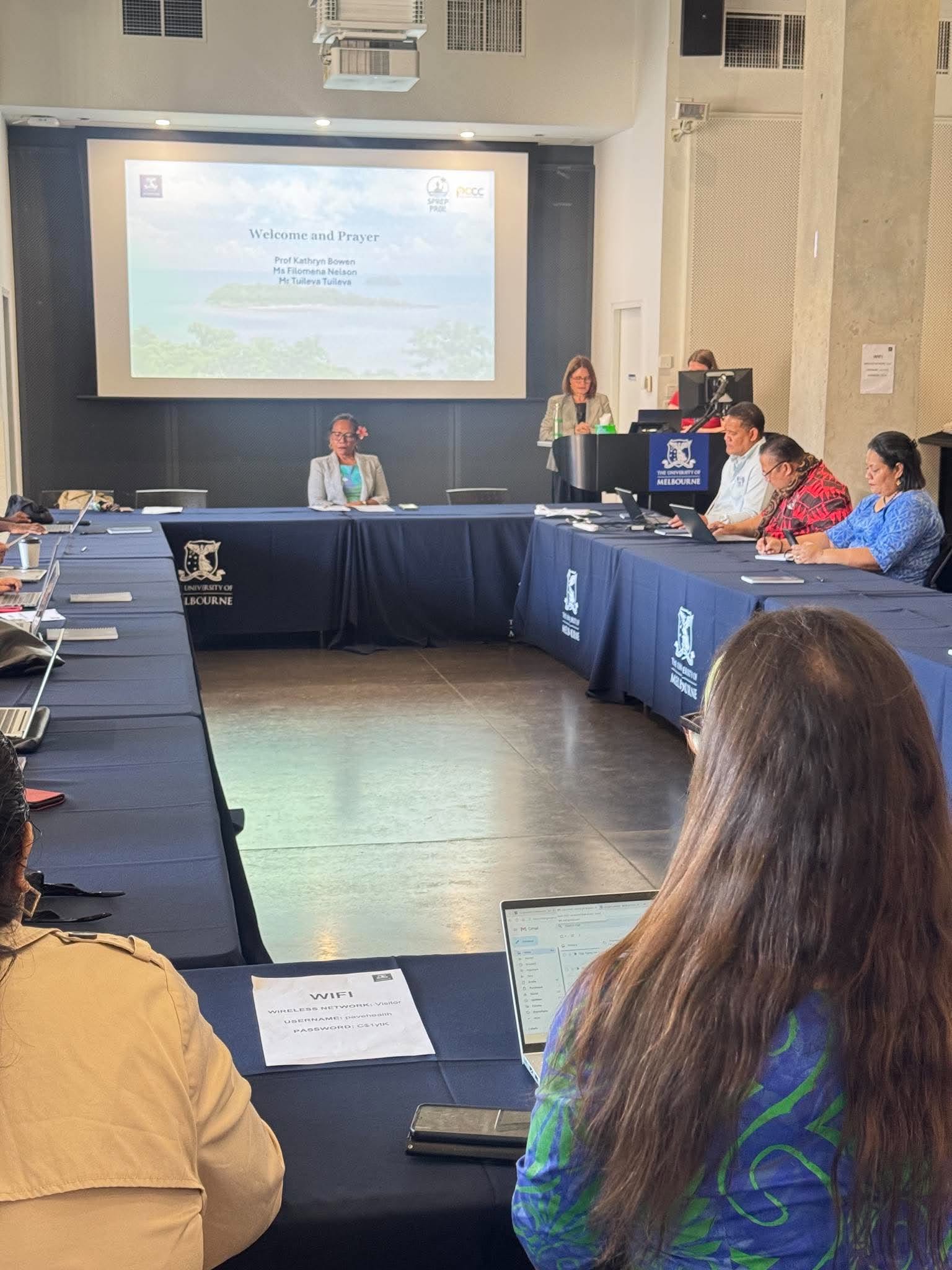
The work covers three interconnected packages. Work Package 1 (Capacity Building and Training) supports national training plans, with Kiribati and Samoa preparing Phase 1 inception workshops and FSM and Solomon Islands planning Phase 2 training. Work Package 2 (VCA and Community Evidence Generation) supports assessments and research in four communities per country, combining existing data with local investigations. Work Package 3 (Policy Translation and Deliverables) focuses on turning findings into policy briefs, case studies and frameworks for potential donors.
Dr Viliamu Iese of the University of Melbourne described the work as “untying the knots” that hinder progress by addressing shared barriers and strengthening partnerships across the project.
Bridging the Data-Policy Gap to Unlock Global Climate Finance
The PAVE-Health Landscape Review identified research gaps on climate change and non-communicable diseases, mental health and health infrastructure resilience. The project aims to strengthen the regional evidence base to inform policy and planning.
Professor Kathryn Bowen, Director of Melbourne Climate Futures at the University of Melbourne, said the workshop would help country teams develop clear, context-specific plans for assessments and community research, with support from the University and PCCC.
The evidence generated is intended to help Pacific countries demonstrate climate-related health risks to international funders and support efforts to access climate finance, including through the Green Climate Fund (GCF). Delegates also attended the Hon. Julia Gillard Climate CATCH Lab Oration at Melbourne Connect. Gillard, a former Australian Prime Minister and Chair of Wellcome, highlighted the need for collaboration across government, health, research and communities to address climate-related health challenges. She also acknowledged the Pacific partners and reflected on the Pre-COP31 events held in Fiji and Tuvalu in October 2026.
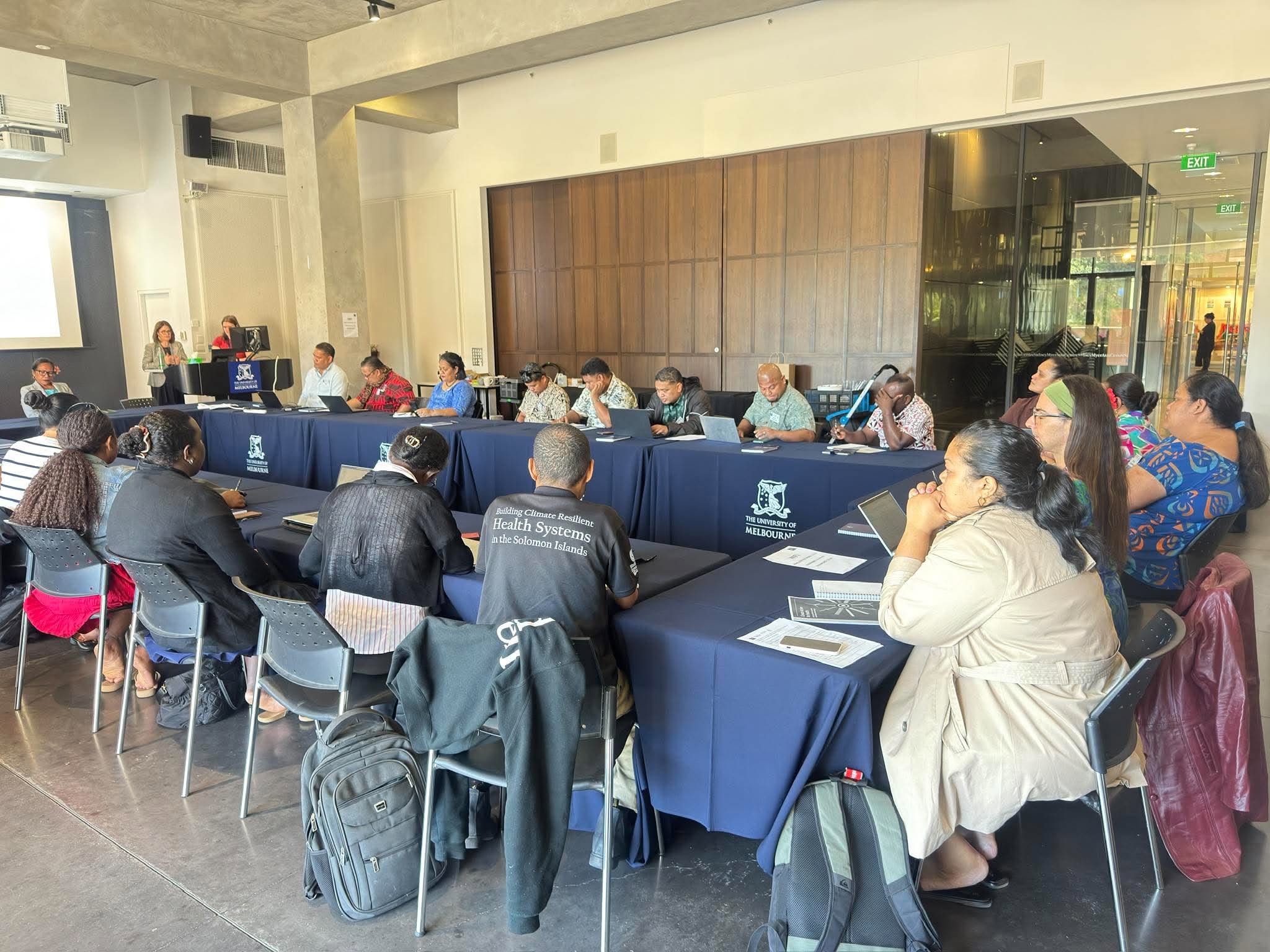
On the workshop’s final day, country teams are expected to finalise their 2027 implementation timelines and progress national research ethics submissions. The project aims to strengthen country-led action on climate and health resilience across the Pacific.