

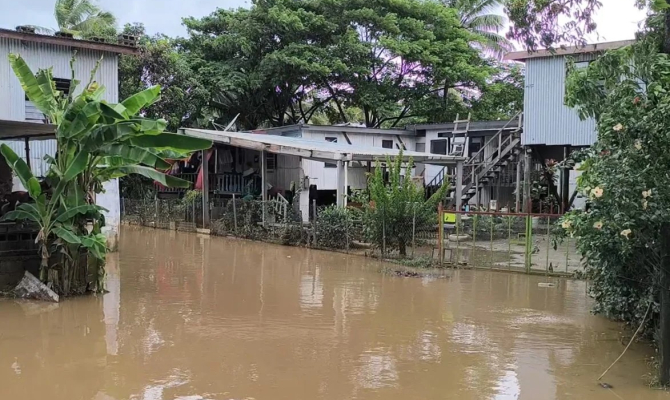
As the UNFCCC pre-COP31 begins in Fiji, the Pacific is not merely being invited to speak. It has a chance to shape the conversation before COP31 in Türkiye, Ms Riya Bhagwan* writes.
For a country that already appears as just a little dot on the world map, the frightening possibility is that one day, even that dot may no longer exist.
But this is not about a dot. It is about the thousands of people who call it home.
Kiribati, which is home to nearly 138,000 people, faces the reality of climate change at its doorstep – more like the death knell waiting to take away its very soul.
What is even more important, however, is that Kiribati is not the only country facing this reality.
Almost all of the Pacific face a similar plight.
In Tuvalu, sea levels have risen 21 centimetres in 30 years, which is twice the global average, with projections that 95 percent of the country will disappear by 2100.
In the Marshall Islands, reports suggest that some families see themselves surrounded by water in the middle of the night, rushing to flee to higher ground.
Sadly, this is an all-too-common reality for them.
In the Solomon Islands, five islands disappeared between 1947 and 2014, and the ancestral homes of people dating as far back as 1935 were destroyed.
In Fiji, an entire Fijian village was forced to move further inland in 2014 as rising sea levels, erosion and flooding repeatedly threatened homes and livelihoods.
There are many more stories of many other Pacific nations living the harsh reality of climate change each day.
These are the same realities that our leaders carry into the pre-COP and COP meetings.
But why should we invest in these meetings when the same funds could be channelled into adaptation and mitigation efforts on the ground?
It is a fair question, and one many often ask.
The answer is that the Pacific contributes only around 0.03 percent of global greenhouse gas emissions.
This means the Pacific is bearing the consequences of actions largely driven by bigger countries, making it imperative that these major emitters take meaningful action to cut emissions and prevent the situation from becoming even worse.
This year, the pre-COP31 and COP31 meetings are even more important for the Pacific because Australia is serving as President of Negotiations.
This is an unusual opportunity that will allow Pacific nations to have a greater role in shaping the agenda for the meeting.
This is significant.
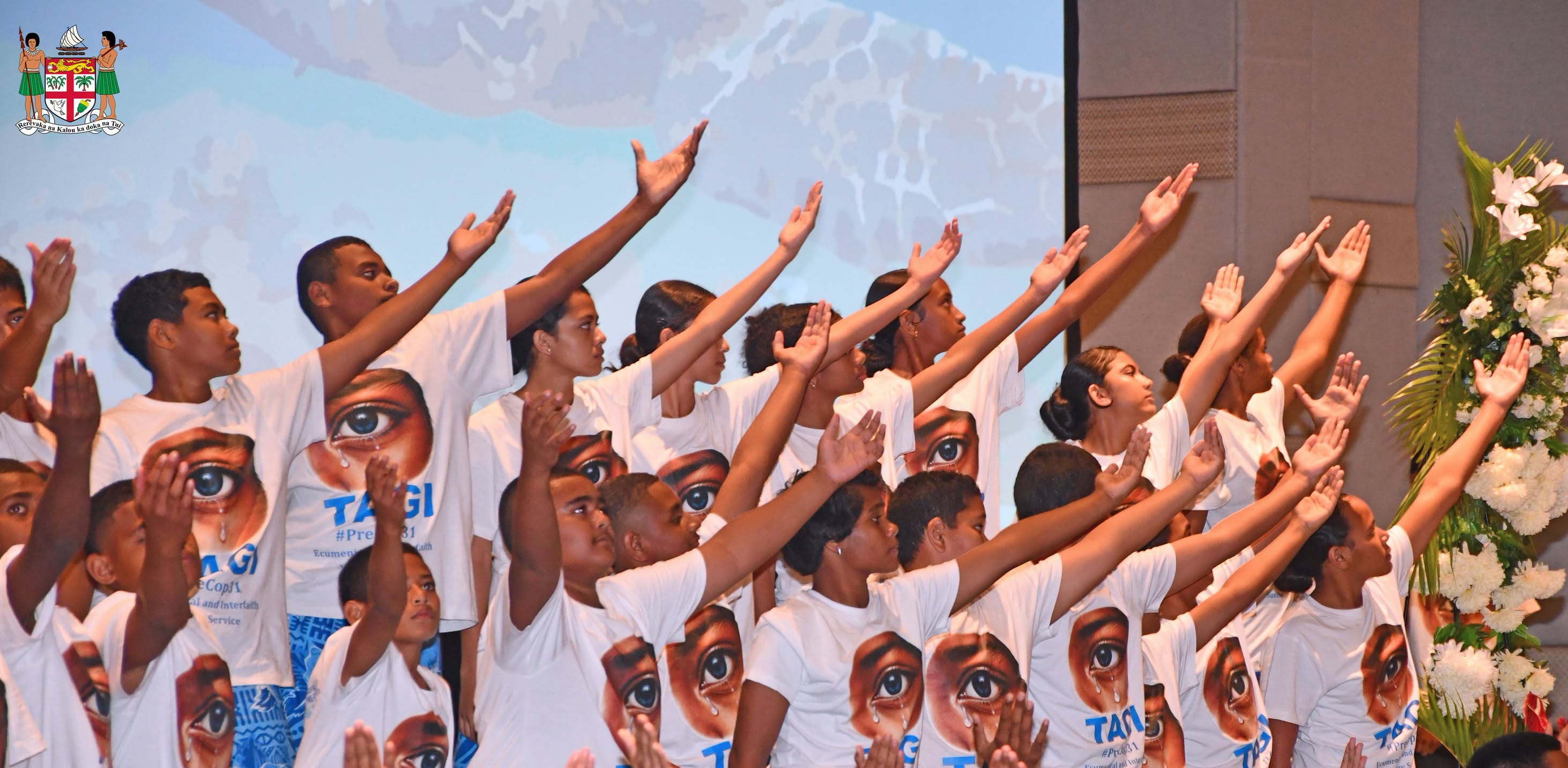
The Pacific is not merely being invited to speak. It has a chance to help shape the conversation before the world enters the negotiating room.
And the region has already identified what it wants to say.
The Pacific Partnership for COP31 has placed keeping 1.5 degrees within reach, improving access to climate finance, elevating the ocean-climate connection and amplifying Pacific leadership at the centre of its strategy.
What happens to the ocean affects food, livelihoods and economies.
What happens to 1.5 degrees affects the habitability of islands.
What happens to climate finance determines whether adaptation plans remain plans or become seawalls, resilient infrastructure and community projects.
And what happens to Pacific leadership determines whether these realities remain footnotes in global negotiations.
History shows that these meetings can matter.
COP3 produced the Kyoto Protocol, while COP21 delivered the Paris Agreement, bringing the world together around the ambition of keeping global warming well below two degrees and pursuing efforts to limit it to 1.5 degrees.
COP28 then operationalised the Loss and Damage Fund, offering a measure of hope to countries already paying the price for a crisis they did little to create.
None of these achievements solved climate change.
But they prove something important: what is discussed, negotiated and agreed through the COP process can eventually become international policy.
And that is precisely why pre-COP31 cannot simply be treated as another meeting before the real meeting.
For the Pacific, it is a chance to shape what that real meeting will look like, and with it, the future of our people and our islands.
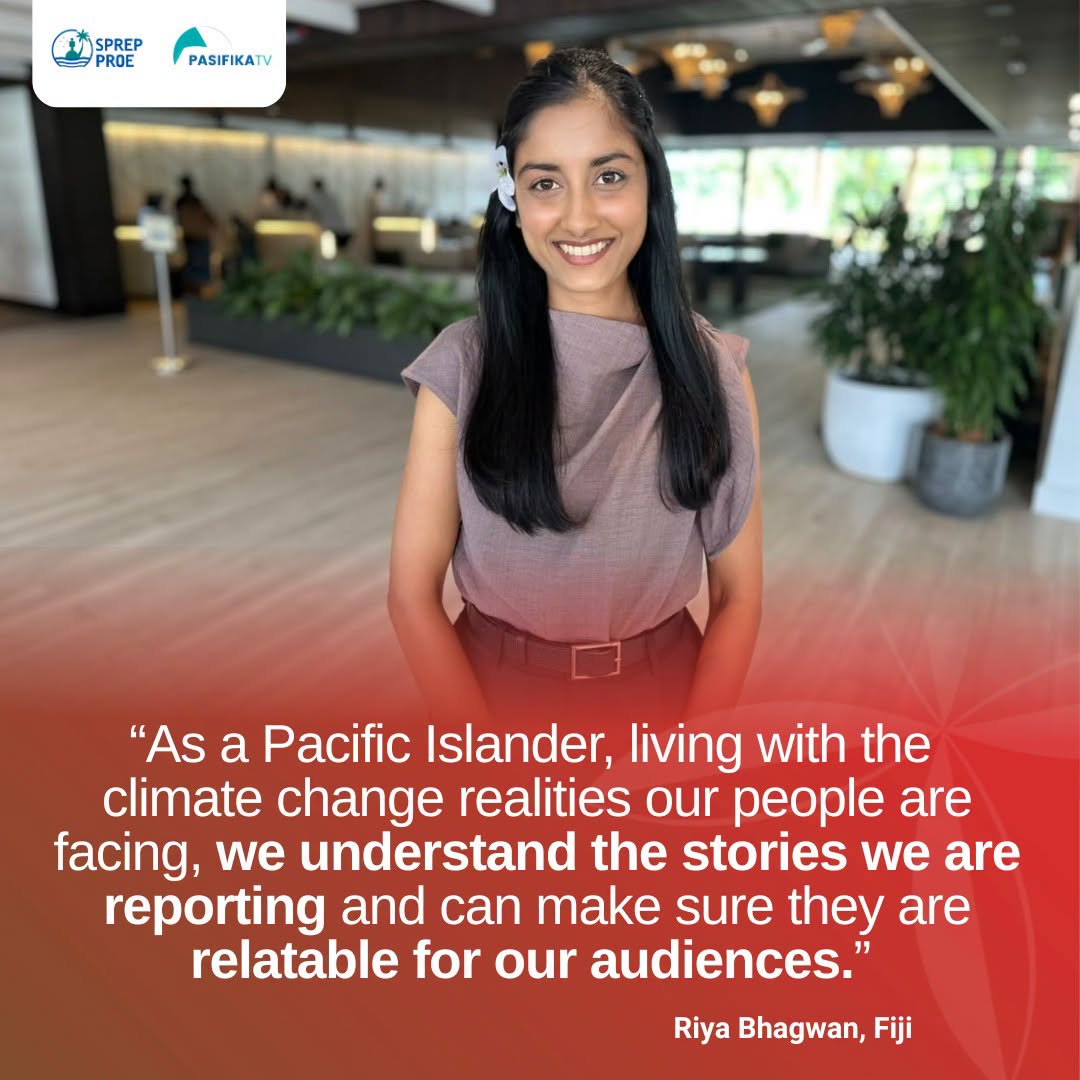
* Ms Riya Bhagwan is a Fijian journalist. She works for the Fiji Broadcasting Corporation. This piece is published as part of the One Pacific Voice series, spotlighting Pacific priorities and amplifying Pacific Voices and Climate Action.