

28 October 2026, Tarawa - Marine litter surveys have identified 1,131 items of waste weighing 148 kilogrammes across two beaches in Kiribati, highlighting the need for stronger waste management, effective policy implementation and community action to protect the coastal environment.
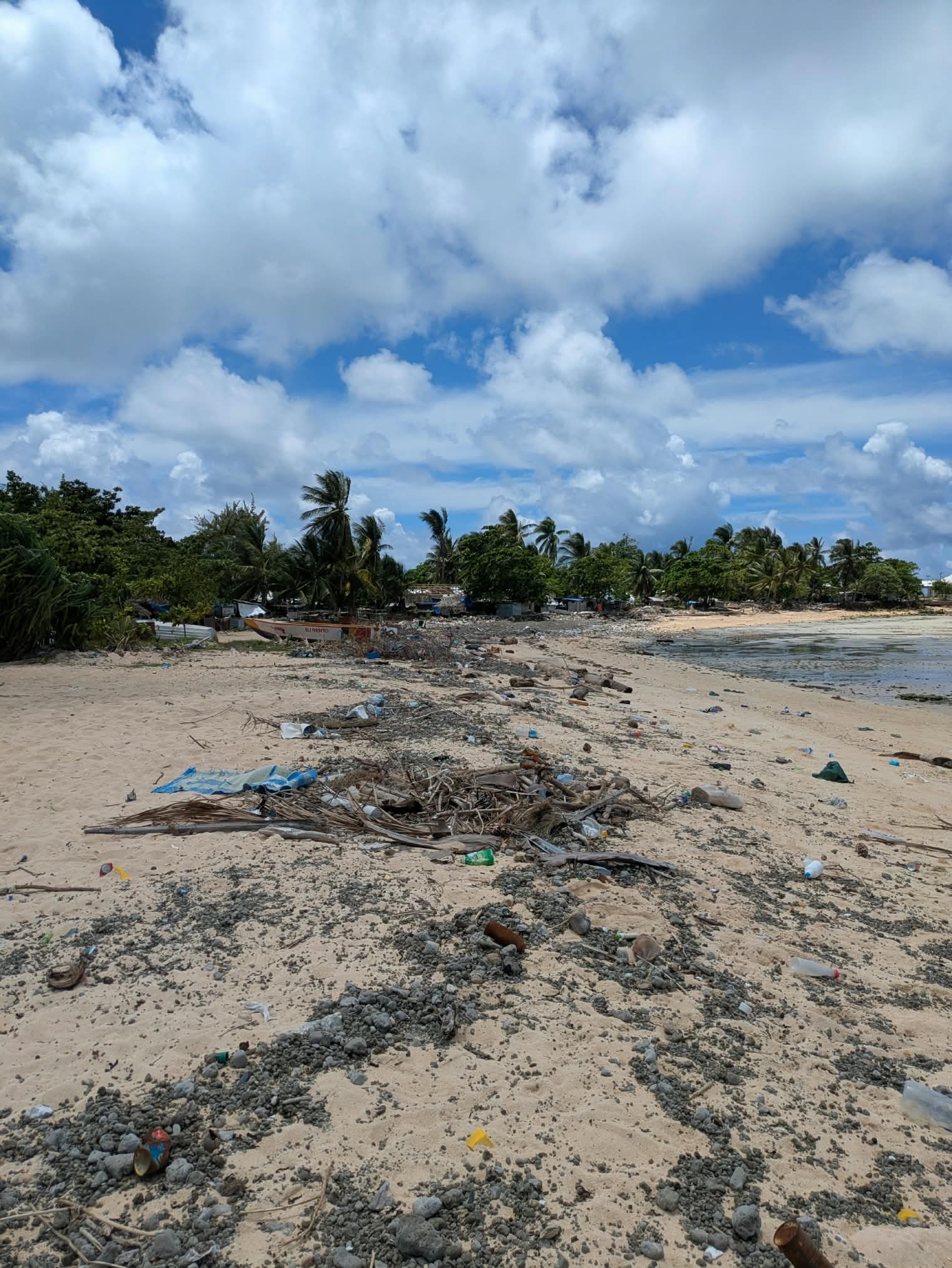
The beaches of Kiribati tell a story that is difficult to ignore. Alongside the natural beauty of the islands, discarded bottles, food containers, metal cans and broken glass are a reminder of the growing challenge of marine litter. Although Kiribati has policies and initiatives to address waste, effective implementation, stronger waste collection services and sustained community engagement remain essential to reducing marine pollution.
This was the message at the heart of a two-day marine litter training delivered in Kiribati in October 2026 under the Sustainable Waste Actions in the Pacific – Phase 2 (SWAP2) project, implemented by the Secretariat of the Pacific Regional Environment Programme (SPREP), in collaboration with the Ministry of Environment, Lands and Agricultural Development (MELAD) and Sustainable Coastlines New Zealand.
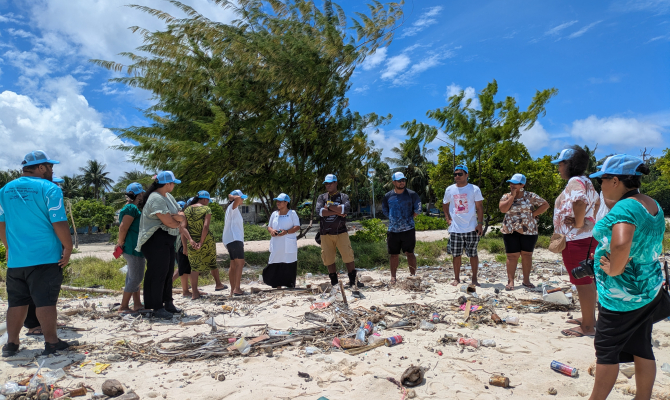
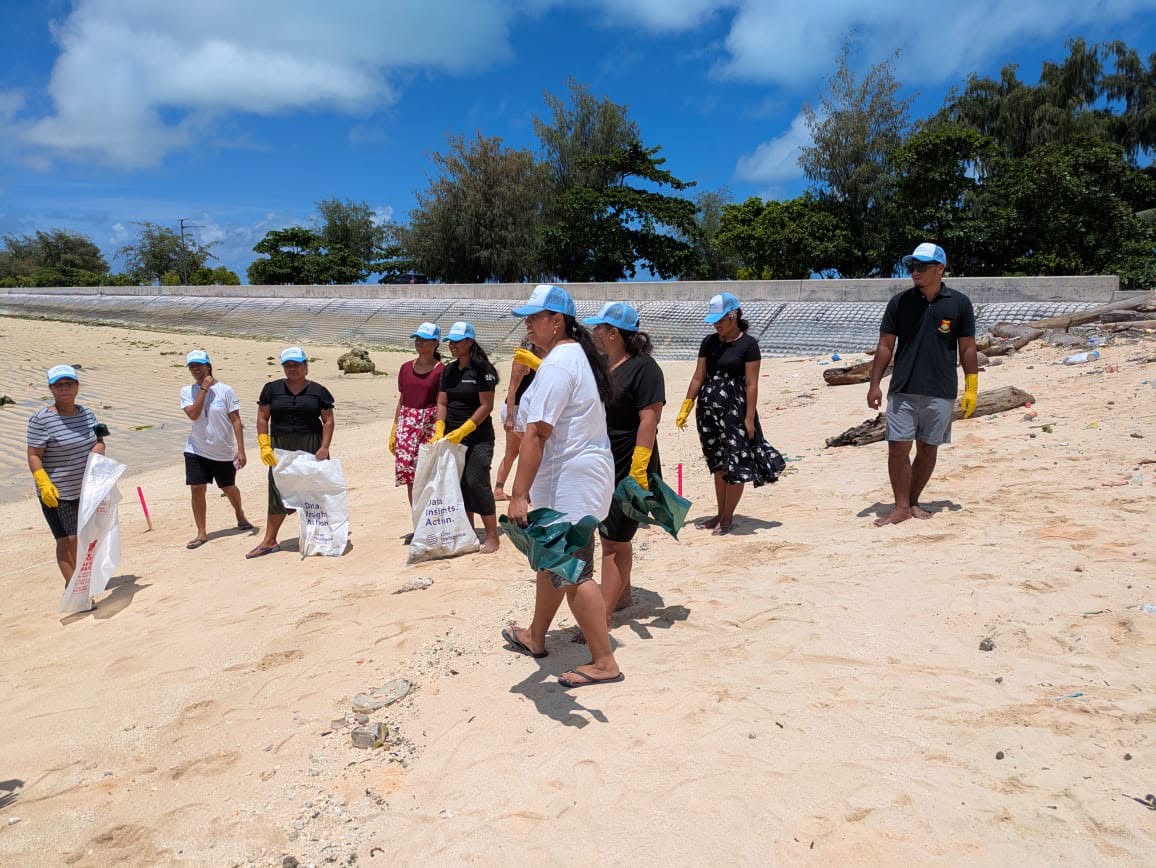
Bringing together 66 participants from government, local authorities, churches, civil society organisations and youth groups, the training combined practical fieldwork with waste auditing to help participants better understand the scale and composition of marine litter in their communities, while building the skills needed to monitor and address the problem.
The training took place at Eita Beach on the first day and Bairiki Side Beach on the second. Guided by Kelly Moana Klink of Sustainable Coastlines New Zealand and Julie Pillet, Senior Project Officer for SWAP2 at SPREP, participants learned how to conduct standardised beach surveys, collect and classify litter, measure its weight, and record the findings using the Litter Intelligence monitoring programme.
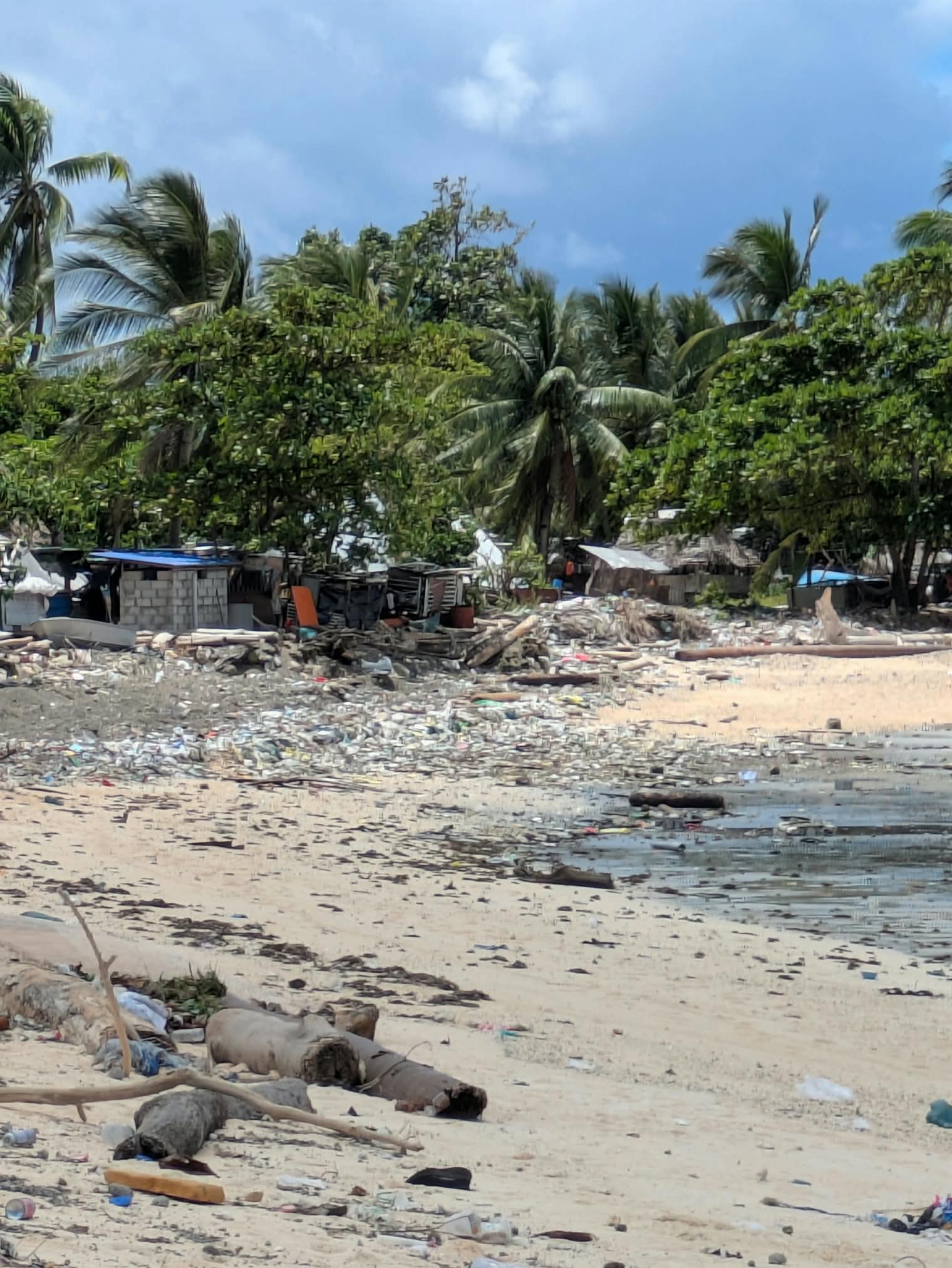
The results revealed that glass and ceramic accounted for 34% of the items recorded, followed by plastic at 33% and metal at 26%. Among the most common items were glass fragments, bottles and jars, construction-related plastic products, food containers and metal food cans.
These findings provide an important baseline for understanding the types of waste accumulating on Kiribati's beaches. They also highlight the need to strengthen waste collection, improve waste disposal practices, prevent litter from reaching the ocean, and continue monitoring pollution over time.
For Mr Areieta Temwanne of MELAD's Environment and Conservation Division, the findings reinforced the scale of the challenge and the need for practical solutions.
“I learned that there is a lot of waste on our beaches and that more action is needed to address this issue. We need to reduce waste and educate people on how to manage their waste properly.”
He also highlighted the importance of stronger waste collection services and practical measures, such as installing signs and providing more rubbish bins on beaches, to encourage people to take responsibility for their waste.
Kiribati already has policies, regulations and initiatives to address waste, including a container deposit levy for plastic bottles and aluminium cans. Yet, as participants recognised, having policies in place is only part of the solution. Their impact depends on effective implementation, community engagement and sustained action.
For Mr Tatireta Bonteman of the Maritime Division at MELAD, the training offered an opportunity to bridge that gap.
“The training reinforces good practices. We have the policies, rules and laws in place, but implementation remains limited. This training gives us an opportunity to put those policies into practice.”
His message to the community was clear: knowledge must lead to action.
“Let’s put into practice what we know and take action to protect our environment. Let’s work together to prevent marine pollution and stop littering, so that we can restore our environment to the beautiful state it was in before.”
The training also highlighted the importance of collaboration between government agencies, local authorities and communities, recognising that marine litter cannot be addressed by one institution alone.
For Ms Lisabeth N. Cross, restoring Kiribati’s environment also means reconnecting with traditional ways of life and rebuilding a sense of pride in Kiribati's cultural identity.
“I look forward to a future that I can believe in. I can see that, by working together, we can restore the beauty of Kiribati. We need to bring back a sense of pride among our people — pride in Kiribati, pride in our land, and pride in our ocean.”
She also emphasised the importance of preserving local traditions, culture and food as part of that reconnection.
The training reinforced the connection between environmental protection and cultural identity, highlighting the importance of caring for the land and ocean as part of Kiribati's shared heritage.
The involvement of youth groups and community representatives was an important part of the training. By participating directly in beach surveys and waste audits, young people gained practical experience and a clearer understanding of how individual actions contribute to the wider marine litter problem.
For young participant Ms Tekorita Leepa, one of the most important lessons was personal responsibility.
“What I learned from the training and want to share with other young people is that we are all responsible for our own waste. I want to encourage the youth to manage their waste properly and help keep our islands beautiful.”
Her message was one of collective hope and determination:
“By working together, we can make a difference. We are not only the future, we are the change of the world.”
The marine litter training marks an important step towards strengthening local capacity to monitor pollution and develop more informed responses. The data collected will contribute to a better understanding of marine litter in the surveyed areas and provide a reference point for future monitoring.
However, lasting change will require continued collaboration between government agencies, local authorities, civil society, churches, youth organisations and communities. It will also require effective waste collection services, accessible disposal facilities, public awareness, and consistent implementation of existing policies and initiatives.
Ultimately, the challenge is not only to remove litter from the beaches, but to prevent it from accumulating in the first place.
For Kiribati, protecting the ocean begins on land, in homes, communities and institutions. By combining stronger waste management systems, effective implementation of existing policies and community participation, the country can strengthen efforts to prevent marine litter and protect its coastal environment for future generations.
ABOUT SWAP2
SWAP2 contributes to the goals of the Cleaner Pacific Strategy by improving waste infrastructure, building capacity and fostering regional collaboration. The nine SWAP Pacific islands are Fiji, French Polynesia, Kiribati, Samoa, Solomon Islands, Tonga, Tuvalu, Vanuatu, and Wallis and Futuna.
The Sustainable Waste Actions in the Pacific – Phase 2 (SWAP2) Project is funded by the Agence Française de Développement (AFD) https://www.afd.fr and executed by the Secretariat of the Pacific Regional Environment Programme (SPREP) www.sprep.org For further information please visit: https://swap.sprep.org/ or contact Ms. Julie Pillet, SWAP Project Manager, at juliep@sprep.org