

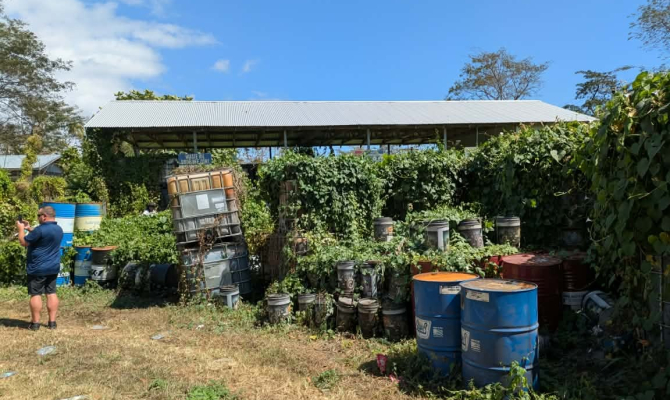
26 October 2026, Apia, Samoa – Samoa is taking the lead in the Pacific to strengthen its used oil management system through practical training aimed at preventing environmental pollution, protecting human health and preventing the risk of further accumulation of used oil stockpiles.
Approximately 60,000 litres of used oil are currently stockpiled at the Tafaigata waste disposal site, with work underway to arrange its export and safe management, according to Ms Fuimaono Katenia Rasch, Assistant Chief Executive Officer of the Waste Management and Pollution Control Division at the Ministry of Natural Resources and Environment (MNRE).
“While addressing this existing stockpile is important, we must also strengthen our long-term management arrangements to prevent further accumulation,” Ms Rasch said.
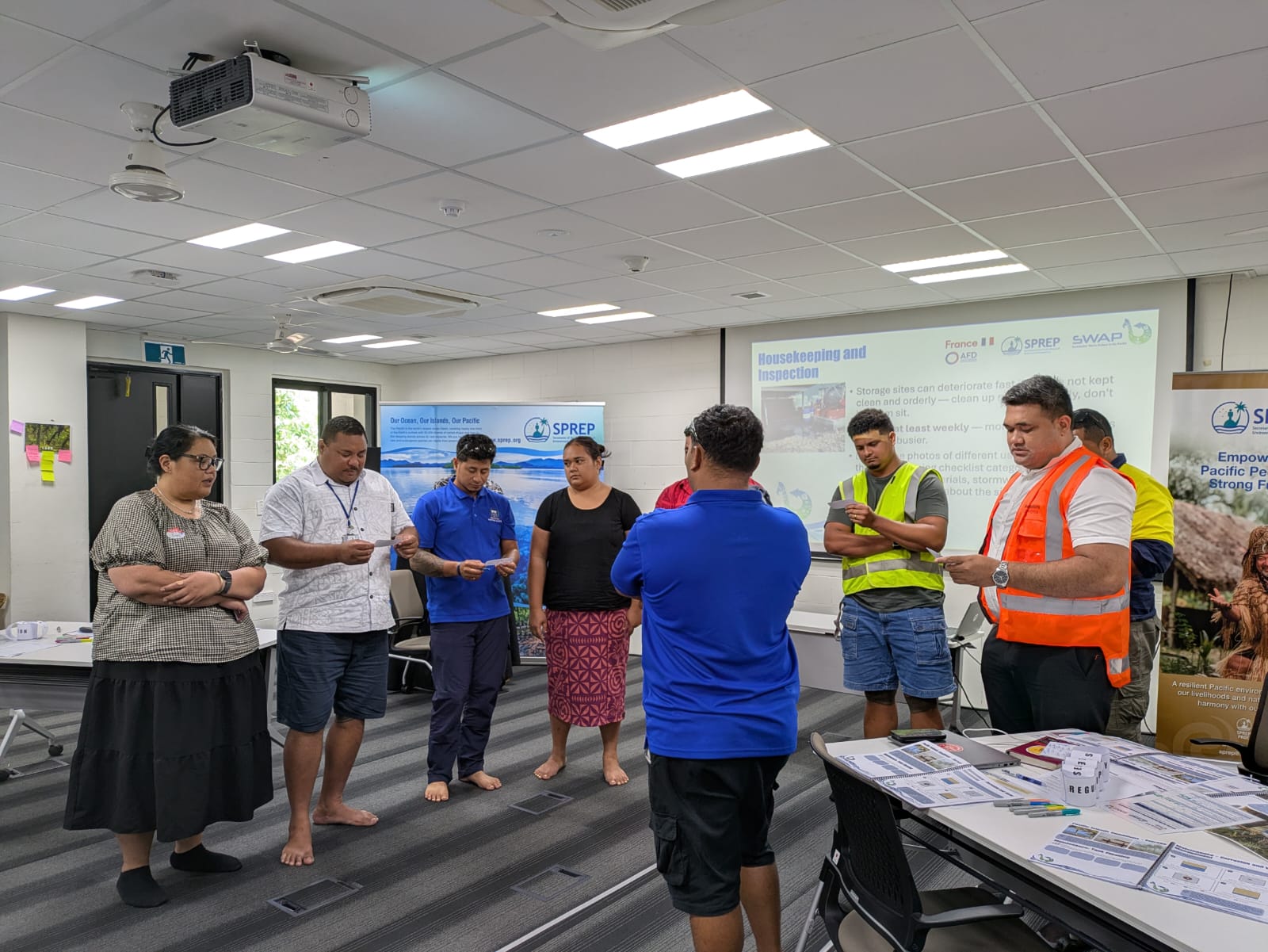
Held at the Secretariat of the Pacific Regional Environment Programme (SPREP) campus in Apia from 26- 29 October, the training brings together stakeholders involved in used oil generation, collection, storage, transport and environmental management.
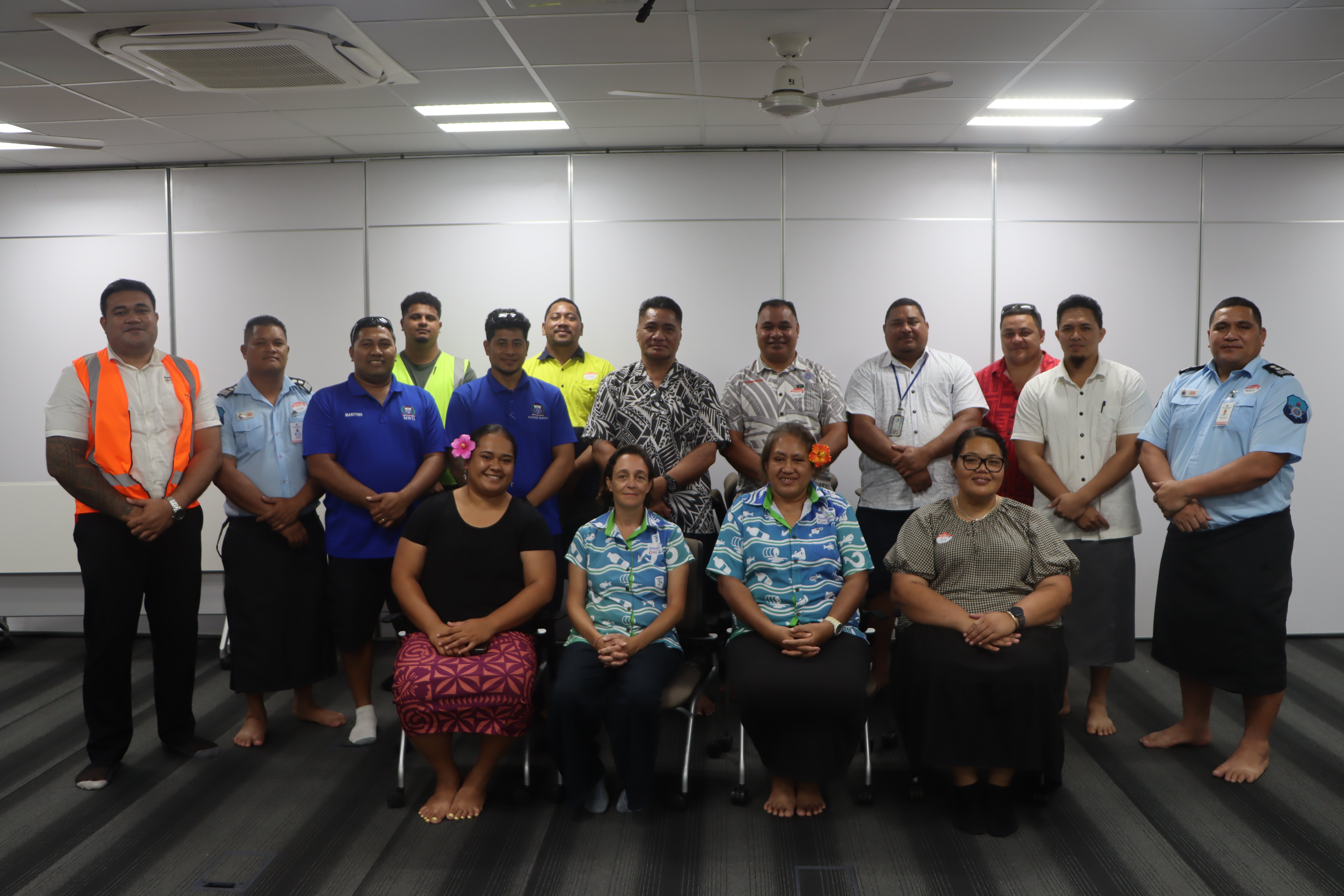
Funded by the Agence française de développement (AFD), the programme is implemented by SPREP in collaboration with MNRE and delivered by Upskills Consultants.
The training marks the launch of the Sustainable Waste Actions in the Pacific – Phase 2 (SWAP2) Used Oil Management Training Programme, which will subsequently be delivered in other participating Pacific Island countries, including Fiji, Kiribati, Solomon Islands, Tonga, Tuvalu and Vanuatu.
Participants are learning about the safe management of used oil throughout its lifecycle, from generation and collection to storage, transport, export and recovery. The training also covers spill prevention and response, fire safety, occupational health and safety, personal protective equipment, record-keeping and reporting.
Ms Rasch highlighted the challenges faced by businesses in managing used oil, including limited facilities, collection arrangements and recovery options. She stressed that willingness to participate must be supported by practical, accessible systems, clear responsibilities and an appropriate regulatory framework.
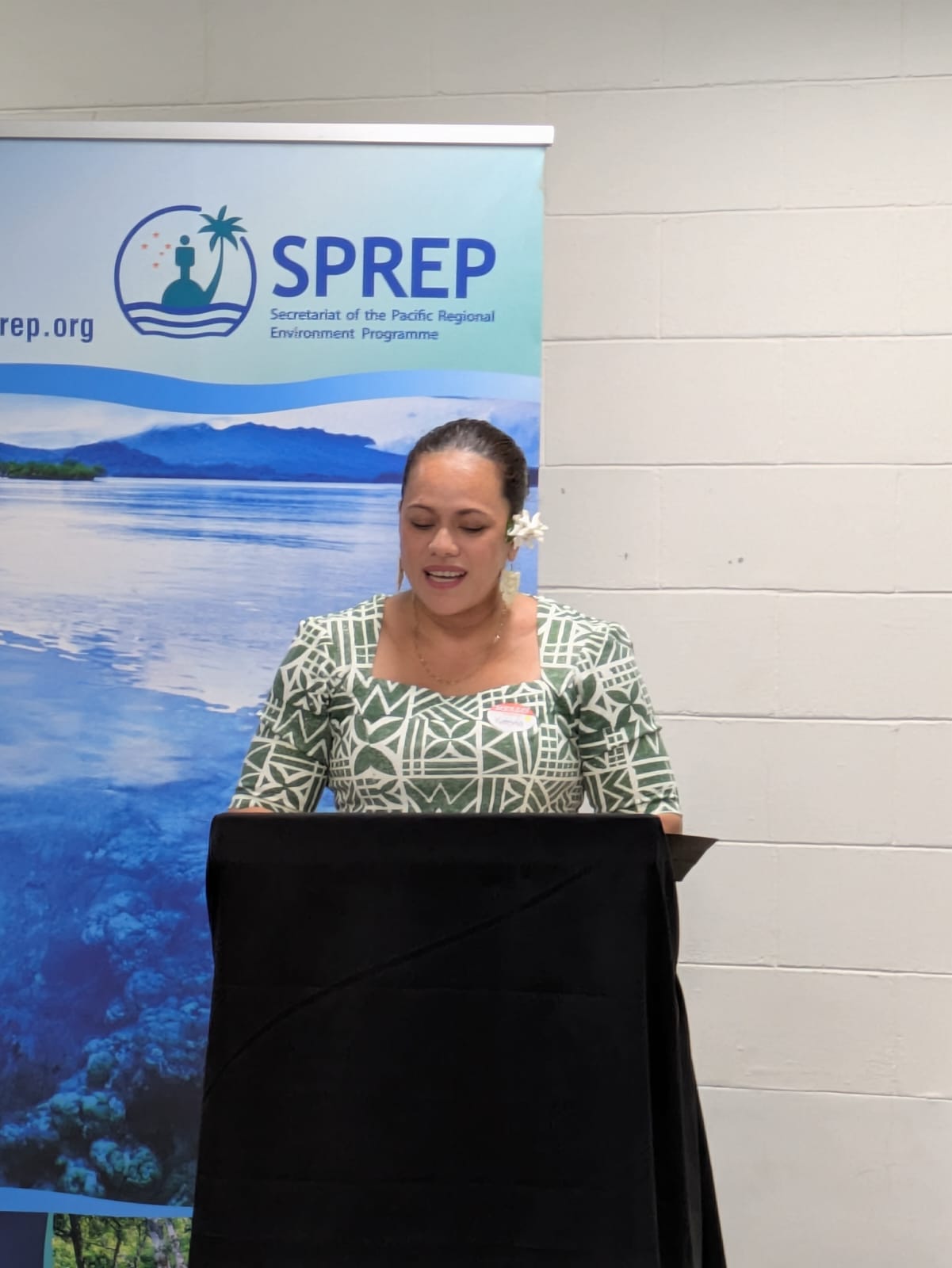
The training provides an opportunity for government agencies, private sector representatives and other stakeholders to discuss these challenges and identify practical approaches suited to Samoa.
Ms Susana Telakau, SPREP’s Solid Waste Management Adviser, said that addressing the existing stockpile through export overseas was only part of the solution.
“The longer-term challenge is to establish a system that can manage the used oil generated every year, without allowing another stockpile to develop,” Ms Telakau said.
By strengthening participants’ knowledge and practical skills, the training aims to improve used oil management in the workplaces, helping prevent contamination and reduce risks to workers, communities and the environment.
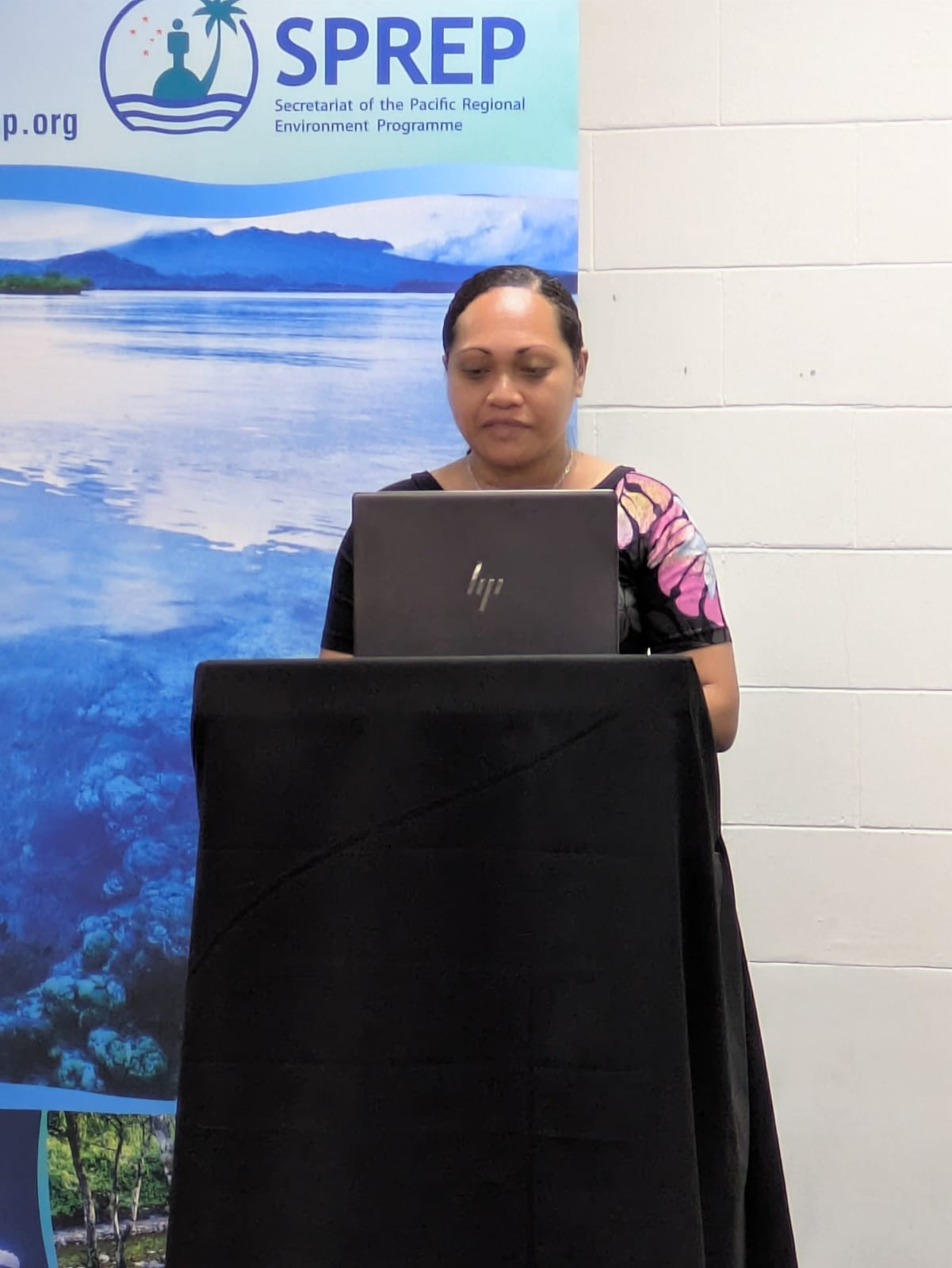
Mr Solomona Junior Solomona from the Ministry of Works, Transport and Infrastructure’s (MWTI) Maritime Division highlighted the benefits of the training in improving his understanding of safe used oil management and its importance in the workplace.
“The training has helped me understand the importance of handling and storing used oil correctly, as well as ensuring it is collected and disposed of safely. I have also gained a better understanding of the risks that improper management can pose to workers, communities and the marine environment. This knowledge will help us make better decisions and improve our practices at work,” he said.
Strengthening used oil management requires continued co-operation between government, businesses and development partners. Reliable collection and storage arrangements, safe transport, appropriate recovery options and clear regulatory responsibilities are important to preventing future stockpiles.
Through the SWAP2 project, SPREP and its partners are supporting efforts to strengthen national waste management capacity and promote safer, more sustainable used oil management across Samoa and the Pacific.
ABOUT SWAP2
SWAP2 contributes to the goals of the Cleaner Pacific Strategy by improving waste infrastructure, building capacity and fostering regional collaboration. The nine SWAP Pacific islands are Fiji, French Polynesia, Kiribati, Samoa, Solomon Islands, Tonga, Tuvalu, Vanuatu, and Wallis and Futuna.
The Sustainable Waste Actions in the Pacific – Phase 2 (SWAP2) Project is funded by the Agence Française de Développement (AFD) https://www.afd.fr and executed by the Secretariat of the Pacific Regional Environment Programme (SPREP) www.sprep.org For further information please visit: https://swap.sprep.org/ .or contact Ms. Julie Pillet, SWAP Project Manager, at juliep@sprep.org