

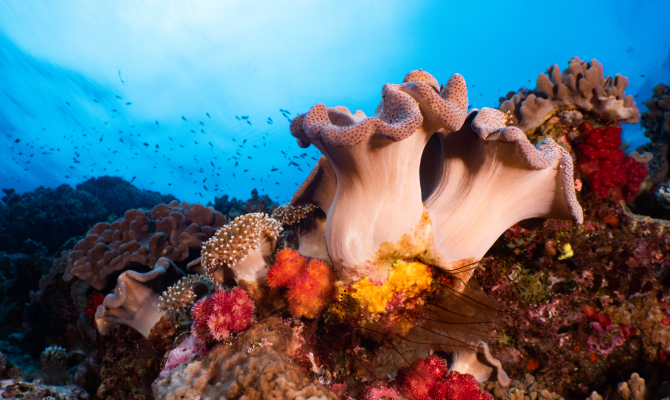
The Pacific Islands Conference for Nature Conservation is the Pacific’s headline biodiversity gathering. It is the region’s platform for conservation and a forum for advancing biodiversity conservation and sustainable natural resource management.
The Conference series has been held every five years since 1975. It brings together governments, intergovernmental organisations, conservation partners, donors, scientists, customary leaders, youth and local communities to review progress, consider emerging challenges and agree on priorities and commitments for regional action.
The Conference is closely connected to the Pacific Islands Roundtable for Nature Conservation (PIRT) and the Secretariat of the Pacific Regional Environment Programme (SPREP). In simple terms: the Conference sets regional priorities, PIRT helps coordinate collective action, and the Pacific Islands Framework for Nature Conservation provides the shared regional direction.
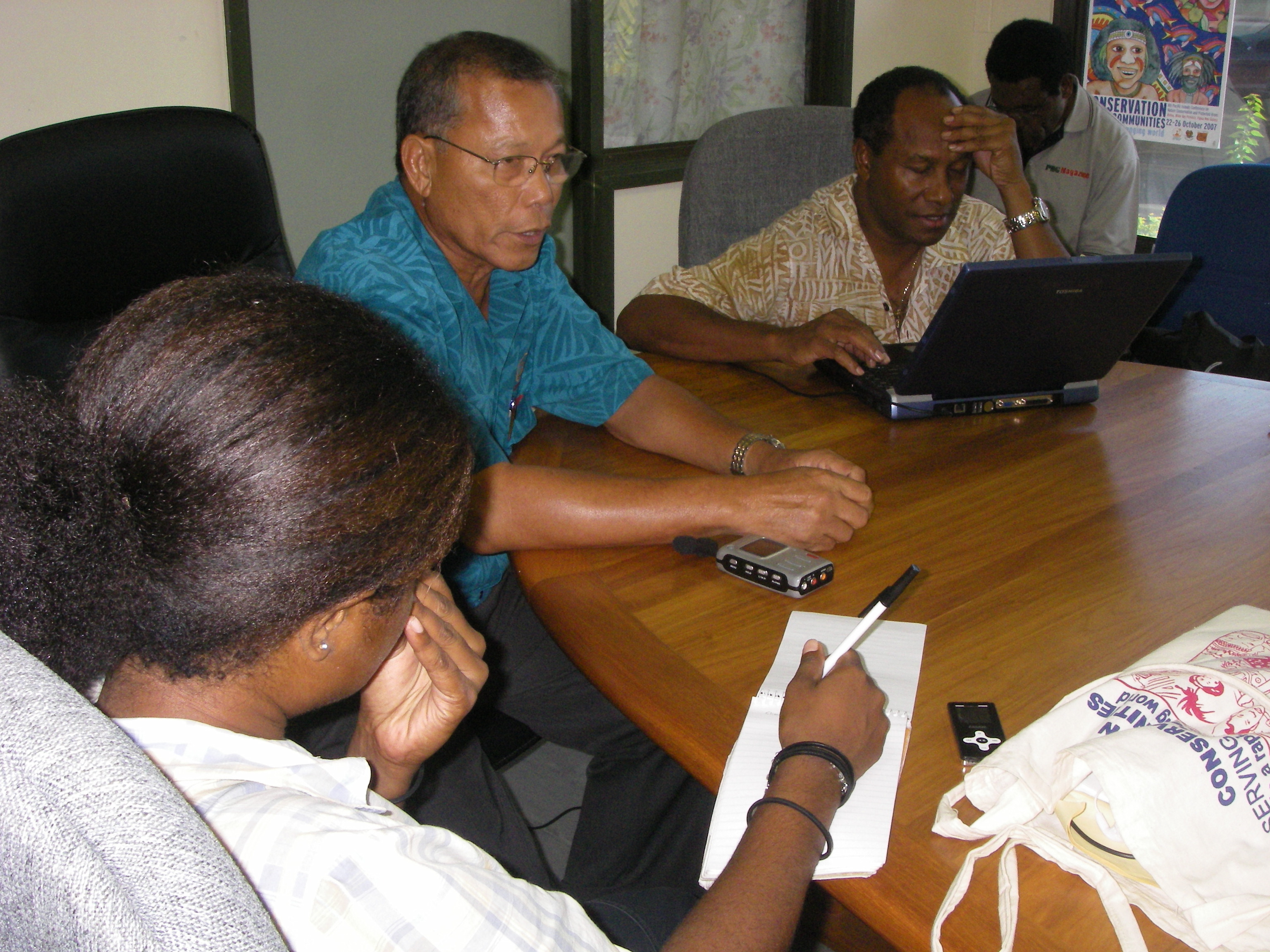
The 11th Conference
• Dates: 7–11 September 2026
• Venue: Tjibaou Cultural Centre, Noumea, New Caledonia
• Format: Five-day bilingual programme (English and French)
• Co-hosts: SPREP with PIRT as permanent secretariat, Government of New Caledonia,
• Programme: around 80 sessions
• Current Registration: 350+ delegates
The 11th Conference will adopt the Pacific Regional Framework for Nature Conservation 2026–2030, the State of Environment and Conservation 2025, and a new Declaration. These outcomes are intended to reaffirm collective commitment to delivering biodiversity priorities of the Pacific within the Kunming–Montreal Global Biodiversity Framework.
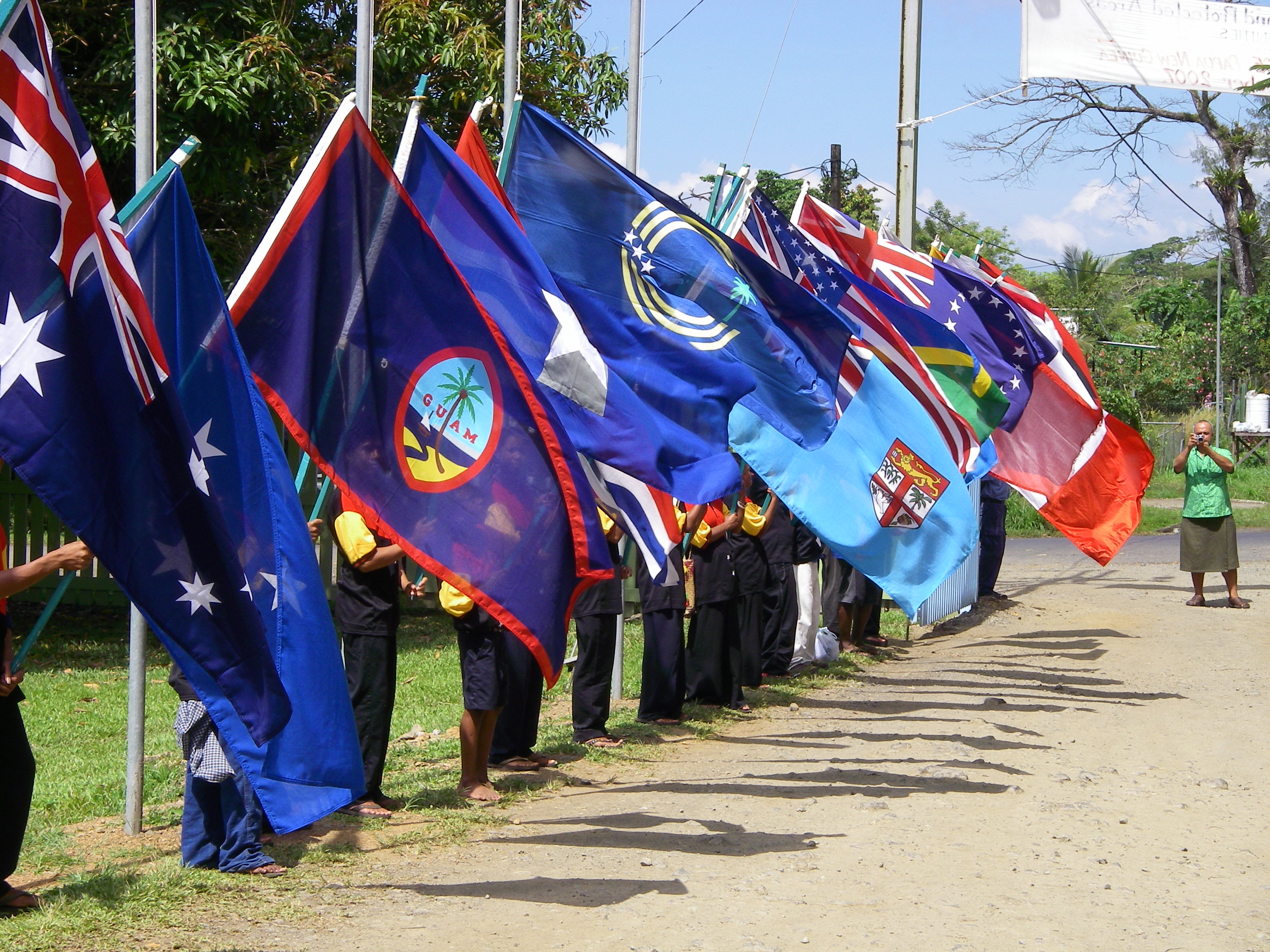
PIRT: the Pacific coordination mechanism
The Pacific Islands Roundtable for Nature Conservation (PIRT) was initiated by Pacific Island countries and territories at the 6th Pacific Islands Conference on Nature Conservation and Protected Areas in 1997. PIRT brings together 18 member organisations and is the regional coordination mechanism for the Pacific Islands Framework for Nature Conservation. PIRT anchors the Conference programme through its members and working groups and supports regional consultation and coordination.
SPREP hosts the PIRT as its Permanent Secretariat and convenes the Conference series. PIRT currently has six active working groups covering nature-based solutions, nature and culture, area-based conservation, invasive species, environmental law and species conservation.
The six thematic streams
1. Area-based Conservation & Connectivity
Pacific progress towards Kunming–Montreal Global Biodiversity Framework Target 3 (30x30), including terrestrial, marine and freshwater protected areas, OECMs, ecological connectivity and locally managed conservation.
2. Species & Ecosystems
Recovery of threatened Pacific species and restoration and resilience of reefs, forests and wetlands.
3. Invasive Species
Prevention, biosecurity, eradication and regional responses to invasive species that threaten Pacific Island biodiversity and livelihoods.
4. Nature-based Solutions
Using healthy ecosystems for climate adaptation, disaster resilience, food and water security, and sustainable Pacific livelihoods.
5. Environmental Governance & Leadership
Legal pathways, environmental justice, conservation finance, Pacific leadership and coordination needed to deliver the next regional Framework.
6. People, Nature & Culture
Traditional knowledge, customary tenure, youth, gender and equitable benefit-sharing at the heart of Pacific conservation.
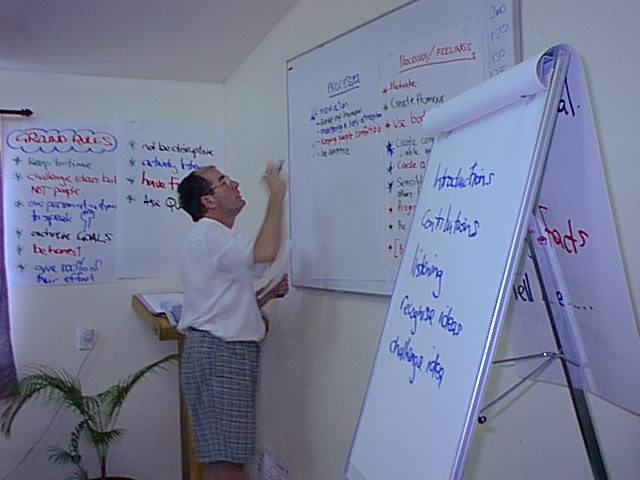
The Pacific Islands Framework for Nature Conservation
The Pacific Islands Framework for Nature Conservation is the region’s shared strategy for protecting and sustainably managing Pacific biodiversity. The current Framework covers 2021–2025 and was adopted at the 10th Pacific Islands Conference in Noumea in 2020, alongside the Vemööre Declaration. Consultation for the 2026–2030 Framework is underway, and the new Framework is scheduled for adoption at the 11th Conference.
The Framework guides collective regional work and the Pacific’s contribution to implementing the Kunming–Montreal Global Biodiversity Framework. It also provides a common reference for national and regional conservation priorities.
Linking to NBSAPs
National Biodiversity Strategies and Action Plans (NBSAPs) are national instruments for implementing the Convention on Biological Diversity. The regional Framework connects with national priorities and supports coordinated action between regional and national levels. SPREP supports member countries with updating their NBSAPs in response to national needs.
Guiding principles
1. Pacific-centred conservation
2. Community rights and ownership
3. Reciprocity and obligation
4. Coordination and collaboration
5. Learning and growing together
6. Resourcing for longevity and resilience
7. Gender and generational diversity
All three parts matter
The Conference provides the regional decision-making platform. PIRT coordinates collaboration among its members and supports implementation of the regional Framework. The Framework provides the shared strategy for nature conservation. Together, these mechanisms help Pacific priorities shape regional action and contribute to global biodiversity commitments.

You can take action
Nature conservation is not only the responsibility of governments and conservation organisations. People and communities can help by protecting local ecosystems, respecting traditional knowledge and customary practices, reducing pollution, supporting sustainable use of natural resources, and taking part in local conservation activities. Small actions can contribute to healthier communities and a healthier Pacific.
Find more information on the 11th Conference and PIRT @ www.pacificislandsroundtable.com