

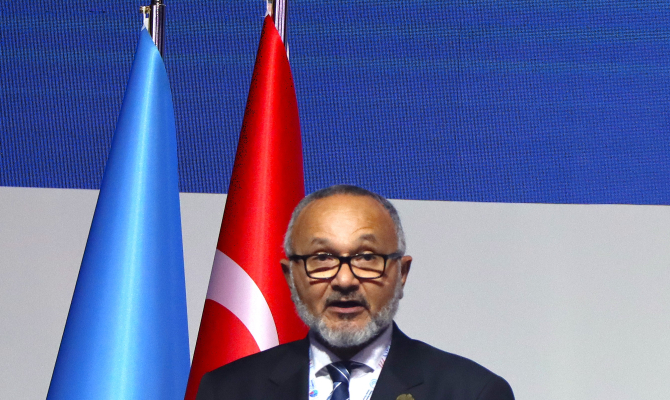
14 November 2026, Antalya - Solomon Islands is not just calling for grant-based, demand-driven, flexible climate finance from developed countries to assist Pacific communities address the impacts of climate change.
One of the world’s most climate vulnerable nations is walking the talk by making a historical USD 400,000 pledge to the Green Climate Fund’s (GCF) third replenishment cycle (GCF-3).
The GCF was created in 2010 by member countries of the United Nations Framework Convention on Climate Change (UNFCCC) and serves as a core operating entity of the Convention's financial mechanism. The Fund has committed over USD 20 billion across more than 134 countries to finance clean energy, resilient infrastructure, sustainable agriculture, and climate adaptation projects.
The pledge makes the Solomon Islands the first Small Island Developing State (SIDS) and a Least Developed Country (LDC) to pledge to a GCF replenishment cycle.
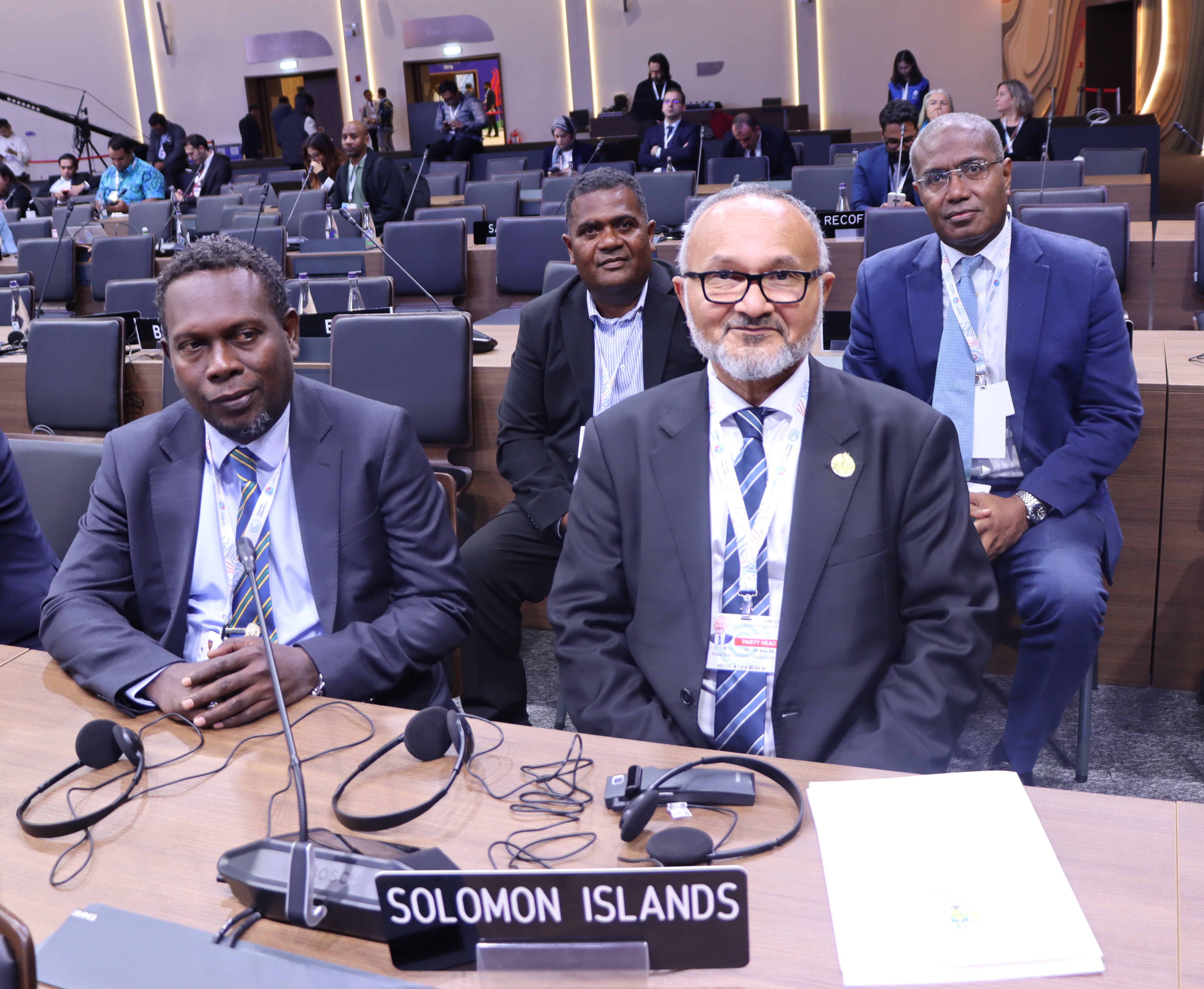
Speaking to world leaders at the High-Level segment of COP31, Prime Minister of Solomon Islands, Hon. Matthew Cooper Wale, challenged developed countries to meet their Article 9.1 climate finance obligations.
“Delayed pledges is only as good as the applause in meeting rooms,” said Prime Minister Wale.
Like many SIDS, the Solomon Islands remain in a perpetual climate-disaster recovery mode. Its annual climate-related economic losses are estimated at USD 79 million, 5 % of the nation’s GDP.
In 2014 a single low depression caused floods with damages up to USD 107.8 million. That is 9.2% of GDP lost in seven days.
“The climate and development finance architecture is inadequate and blind to vulnerability. We urge partners, climate funds and MDBs to use the Multidimensional Vulnerability Index (MVI) to operationalise SIDS special circumstances,” said Prime Minister Wale.
He lamented that in 2023, SIDS paid over US$46 billion in debt service, three times the climate finance these countries received.
“We cannot build resilience while our fiscal space erodes.”
As COP31 climate change negotiations continue in the halls and corridors of the Antalya Expo Centre, Hon. Wale reminded that Solomon Islands face a protracted El Niño while they are still trying to recover from Category 5 Cyclone Maila, which devastated provinces and communities in April this year.
“While we grabble daily with climate impacts, unabated consumerism and exorbitant lifestyles inflates factory production fuelling global emissions.”
The COP31 climate action agenda targets must result in tangible outcomes, he urged.
“This is an implementation COP, major emitters must implement deep, immediate, economy-wide emissions cuts aligned with 1.5-degree NDCs (National Determined Constitution). The Belém Mission to 1.5 must eliminate fossil fuel subsidies and formulate accounting mechanism for fossil fuel exports.”
On Loss and Damage, Prime Minister Wale said the Warsaw International Mechanism must focus on economic loss quantification.
“As a country reliant on tuna, we lose up to USD 23 million in annual revenue as habitats shift and tuna migrates,” he said. “We face a double deficit of climate ambition and climate finance. Since 2002, we received approximately USD 340 million versus a demand of USD 2.5 billion. This deficit is climate injustice to a highly vulnerable country.”
COP31 must also turn the tripling of adaptation finance into action.
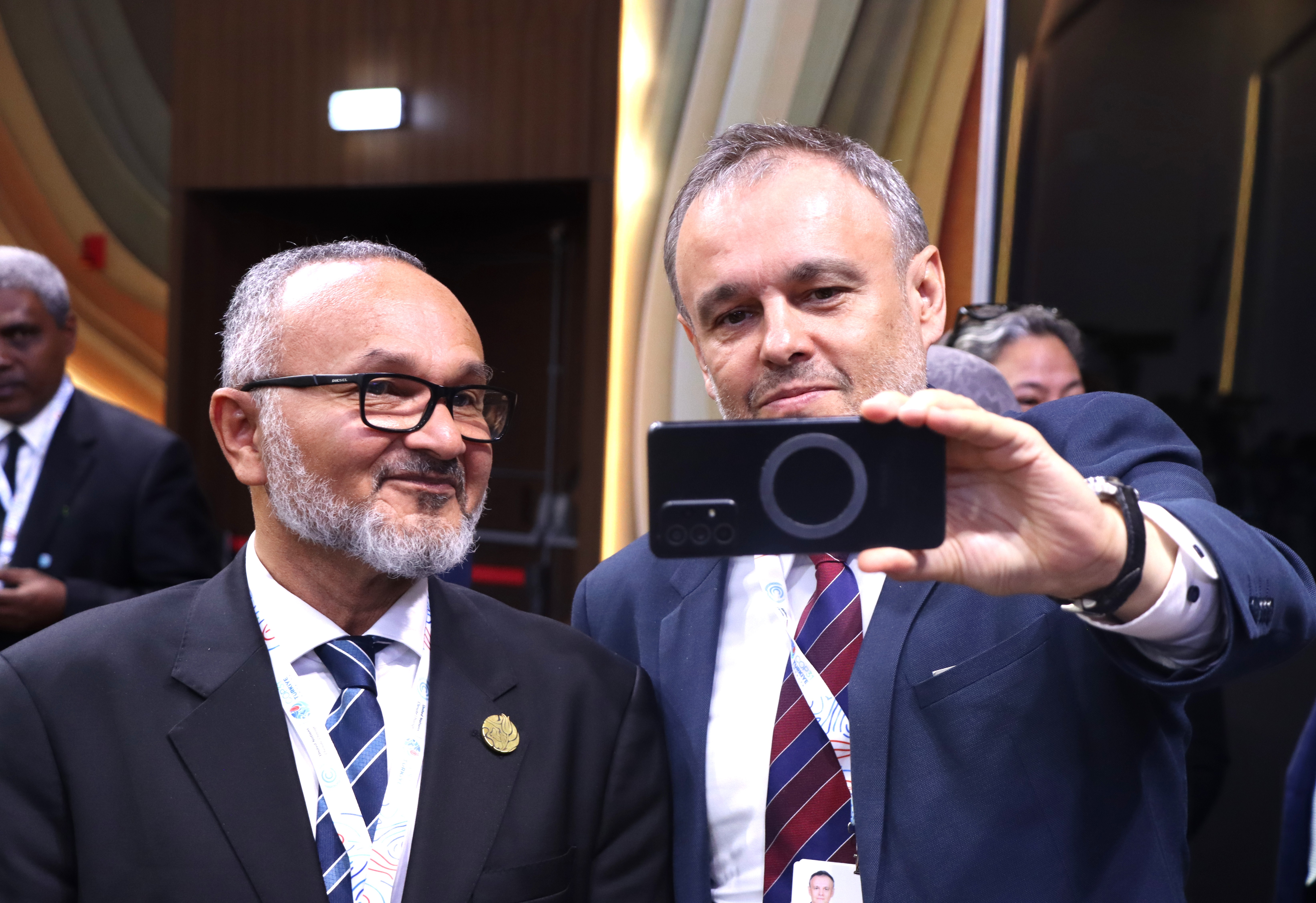
Prime Minister Wale concluded: “Let me be clear. No amount of finance will bring back our lost islands and homes we continue to lose. Yet cutting emissions is practically, scientifically, financially and technologically possible now.
“We call for a united front for action at COP31 on the 1.5 goal as the pathway out of the climate crisis.”
The 31st Conference of the Parties (COP31) to the UN Framework Convention on Climate Change (UNFCCC) is taking place from 9-20 November 2026 in Antalya, Türkiye.
The Pacific Islands Parties to the UNFCCC are Cook Islands, Federated States of Micronesia, Fiji, Kiribati, Republic of Marshall Islands, Republic of Naoero, Niue, Palau, Papua New Guinea, Samoa, Solomon Islands, Tonga, Tuvalu and Vanuatu.
For further information on the Pacific at COP31 please visit: www.sprep.org/cop31