

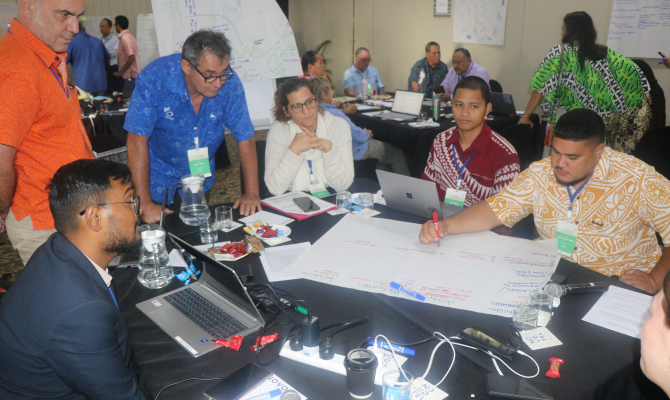
1 October 2026, Nadi, Fiji - A key milestone in the region's efforts to prevent zoonotic disease at source was celebrated at the Nature for Health Pacific Scoping Workshop.
Held from 28–29 September 2026, Pacific Officials from Environment, Health and animal health; regional organisations and partners gathered to strengthen efforts to protect human, animal and environmental health through the Nature for Health (N4H) Pacific Scoping Workshop.
Organised by the United Nations Environment Programme (UNEP) and the the Secretariat of the Pacific Regional Environment Programme (SPREP) and the Pacific Community (SPC), the workshop brought together regional stakeholders to address the environmental drivers of zoonotic disease emergence and strengthen preventative action through a coordinated One Health approach.
Environmental pressures, including habitat destruction, unsustainable land use, urban expansion, invasive species and climate change, can disrupt ecological systems and increase interactions between people, animals and disease vectors, contributing to the risk of disease transmission.
The workshop aligns with SPREPs strategic mandate and its vision of a resilient Pacific environment, sustaining livelihoods and natural heritage in harmony with Pacific cultures.
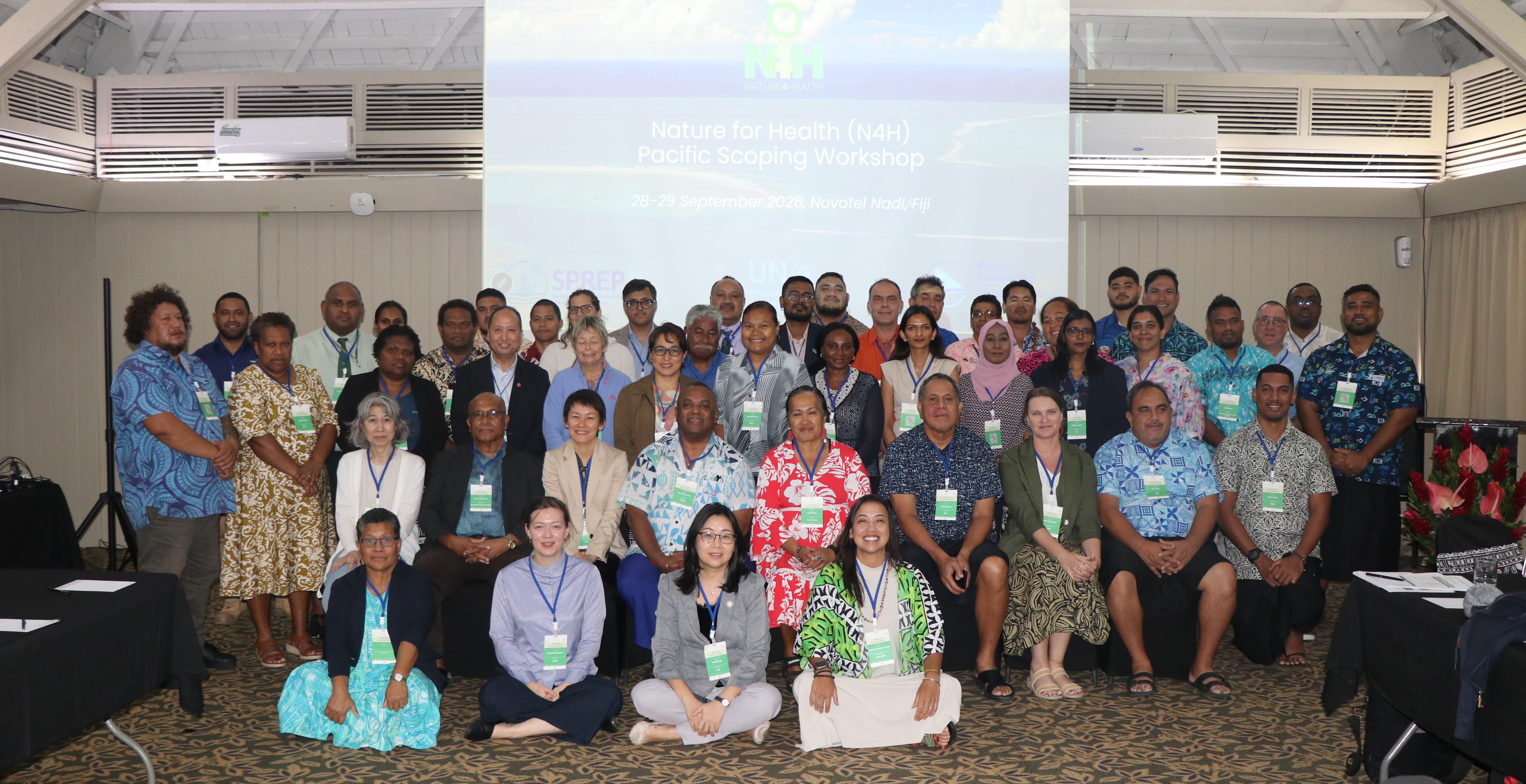
“Our region's health and our region's environment are not separate agendas — they are the same agenda,” said Mr Jope Davetanivalu, SPREP Director Environmental Governance.
“Preventing disease at its source, where nature, animals and people meet, is far less costly than responding to outbreaks after they occur, and the Pacific has both the knowledge and the regional institutions to lead that work.”
The workshop reinforced the importance of regional cooperation in addressing complex environmental and health challenges, while supporting Pacific countries in building resilience against emerging disease risks.
Protecting nature is an investment in the health and wellbeing of Pacific peoples. Through the Nature for Health initiative, regional partners are working towards a future where healthier ecosystems, healthier animals and healthier communities are recognised as essential elements of a resilient Pacific.
SPREP also highlighted the Pacific State of Environment and Conservation Report 2025 provides the region’s first assessment of environmental change since the 2020 report. It examines how environmental pressures—including climate extremes, invasive species, habitat loss, waste, wastewater, livestock production, and coastal pollution—shape upstream risks to human and ecosystem health.
The outcomes from the workshop will inform the development of the Nature for Health Pacific Implementation Project Document, helping establish a foundation for coordinated regional action and longer-term collaboration.