

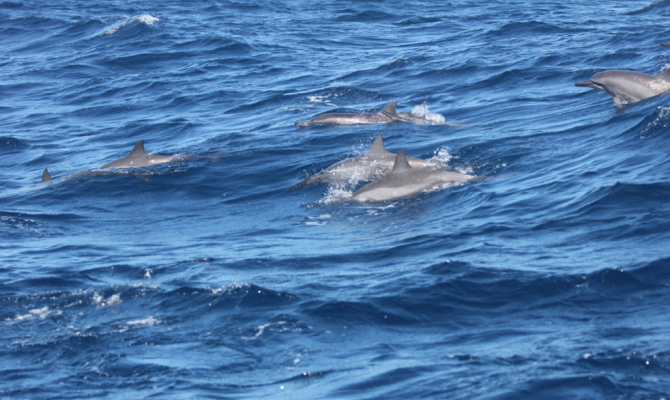
14 October 2026, Honiara, Solomon Islands – Implementation of the Secretariat of the Pacific Regional Environment Programme’s (SPREP) component of the European Union-funded Pacific-European Union Marine Partnership Programme Phase II (PEUMP II) is getting underway, following an inception and implementation planning session with Pacific countries and partners in Honiara this week.
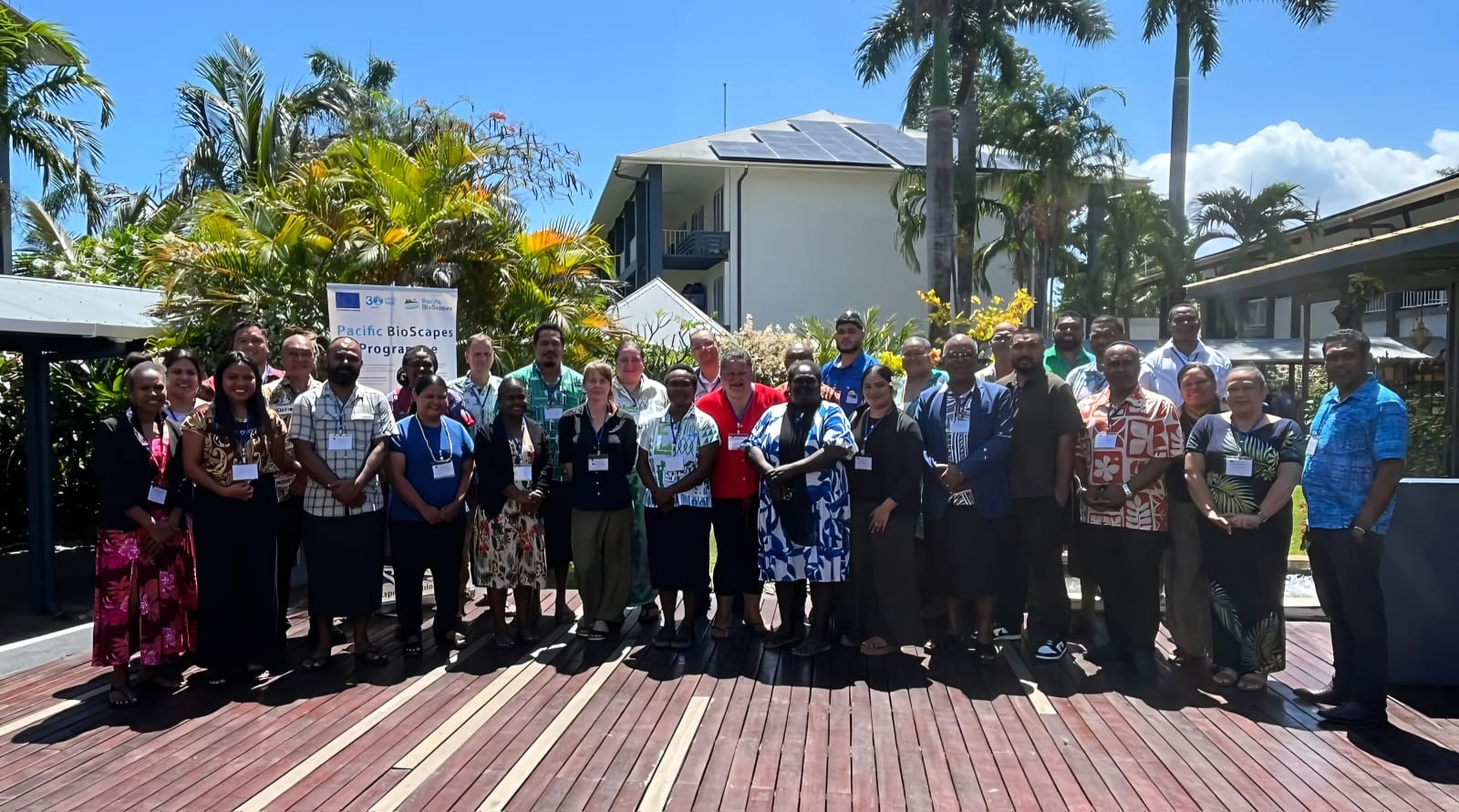
The SPREP component focusing on Mitigating Threats to Key Marine Species in the Pacific will now kick-off into implementation. Building on experience and lessons from the first phase of PEUMP the work will support Fiji, Papua New Guinea, Solomon Islands, Tonga and Vanuatu, alongside regional activities, with a focus on sea turtle conservation, reducing bycatch of threatened marine species, and strengthening Pacific capacity to meet requirements under the Convention on International Trade in Endangered Species of Wild Fauna and Flora (CITES).
The inception session, held on 14 October, provided an important opportunity for SPREP to work with countries, partners and the European Union to translate the approved project design into practical implementation arrangements for the next two years.
“PEUMP II gives us a strong opportunity to build on the experience, relationships and lessons developed through the first phase of PEUMP and other regional initiatives,” said Ms Utulei Lui, SPREP PEUMP II Project Coordinator. “The next two years will be about working closely with countries and partners to translate that foundation into practical action for threatened marine species across the Pacific.”
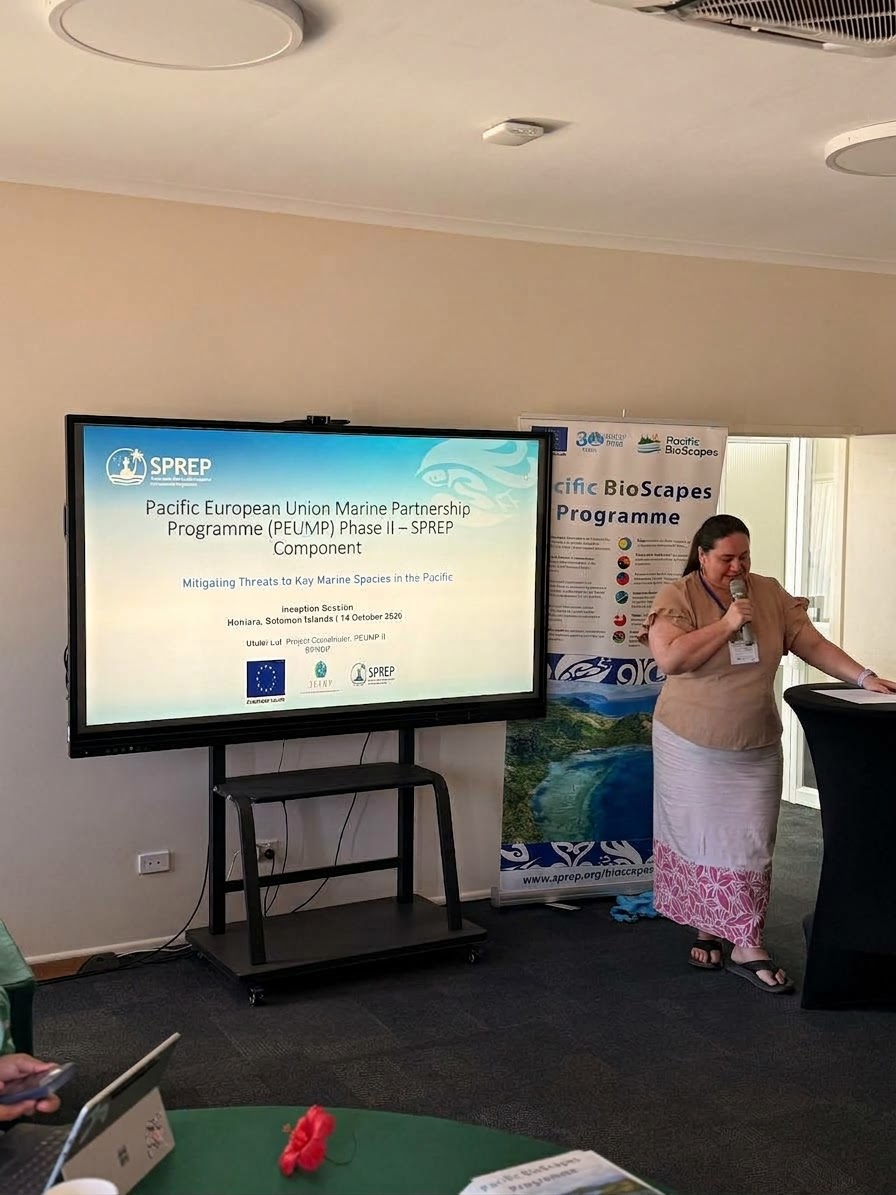
During the session, SPREP presented the proposed implementation framework for PEUMP II, including refinements to the project’s Logical Framework, the proposed sequencing of activities under the two-year implementation plan, and the draft Communication and Visibility approach.
Country representatives and partners were invited to provide practical feedback on whether proposed project targets are realistic and achievable, national or regional considerations that could affect implementation timing, existing programmes and networks that PEUMP II should connect with, and communication channels that could support the effective sharing of information, tools and results.
The consultation forms part of the PEUMP II inception process and will help SPREP refine implementation arrangements before activities are progressively rolled out with participating countries and partners.
Making the most of Pacific partnerships
The PEUMP II inception session was held alongside the Pacific BioScapes Programme Steering Committee Meeting, another European Union-funded programme led by SPREP.
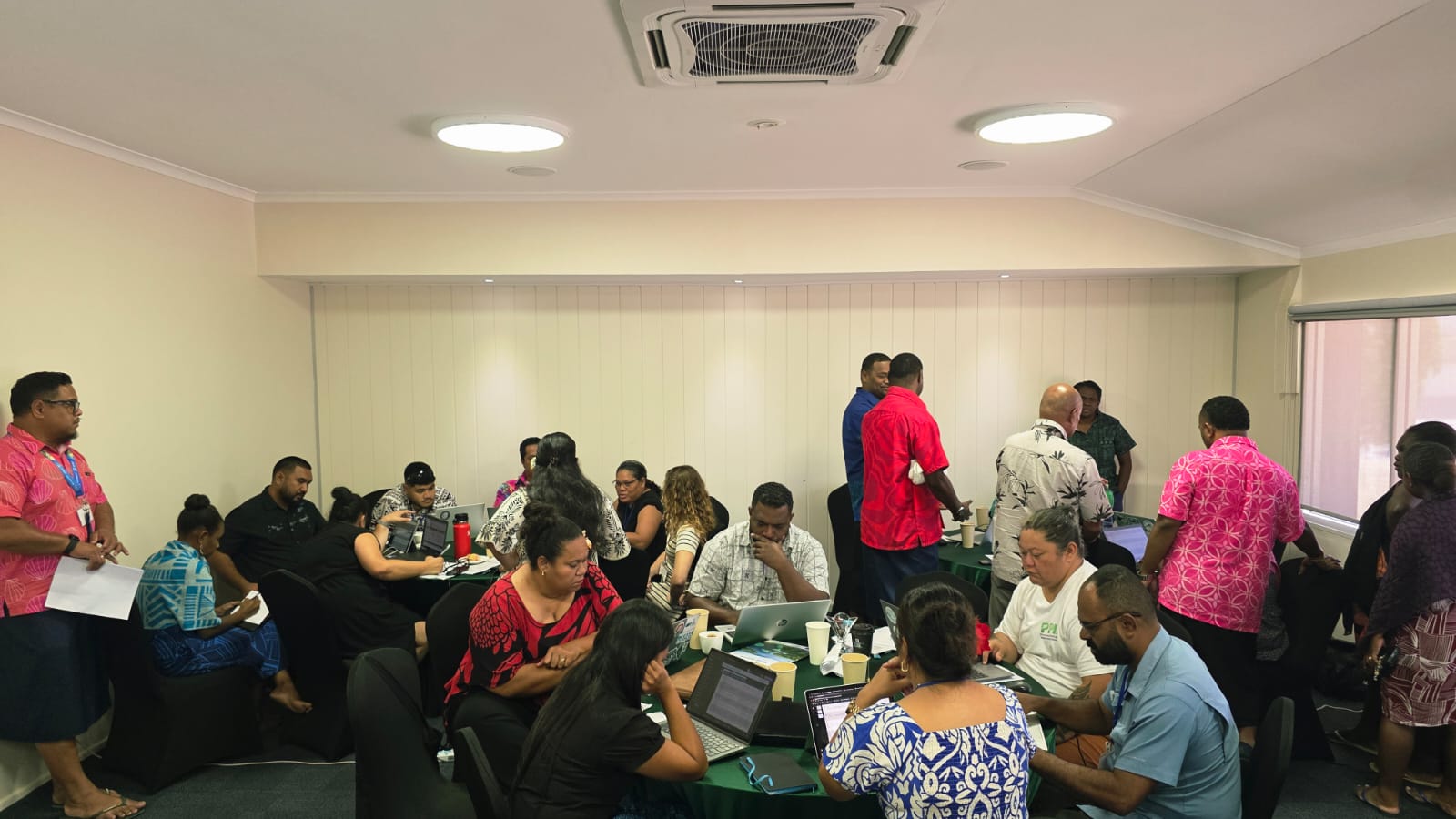
Bringing the two processes together provided a practical opportunity not only to engage countries and partners already gathered in Honiara but to identify new opportunities for coordination and strengthen synergies in marine conservation initiatives across the Pacific. This approach reflects the way PEUMP II has been designed, with an emphasis on coordination and complementarity with Pacific BioScapes and other regional programmes.
The next phase will see SPREP progressively mobilise activities across the three Key Result Areas, working closely with Pacific countries, regional organisations, technical partners and the European Union throughout implementation.
Pacific – EU Marine Partnership (PEUMP) Programme
The second phase of the Pacific-European Union Marine Partnership (PEUMP) Programme addresses some of the most ocean-related challenges faced by Pacific countries. Among these are the increasing depletion of coastal fisheries resources; the threats to marine biodiversity and key species, including negative impacts of climate change and disasters; the uneven contribution of oceanic fisheries to national economic development; the need for improved education and training; and the need to mainstream a rights-based approach and to promote greater recognition of gender issues to ensure inclusiveness and positive changes for Pacific island people.
The EUR 20 Million PEUMP II programme (2026 – 2030) is funded by the European Union and is implemented by the Pacific Community (SPC), the Forum Fisheries Agency (FFA), and the University of the South Pacific (USP) in close collaboration with the Office of the Pacific Ocean Commissioner (OPOC), Secretariat of the Pacific Regional Environment Programme (SPREP), Non-Government Organisations and the national authorities.