

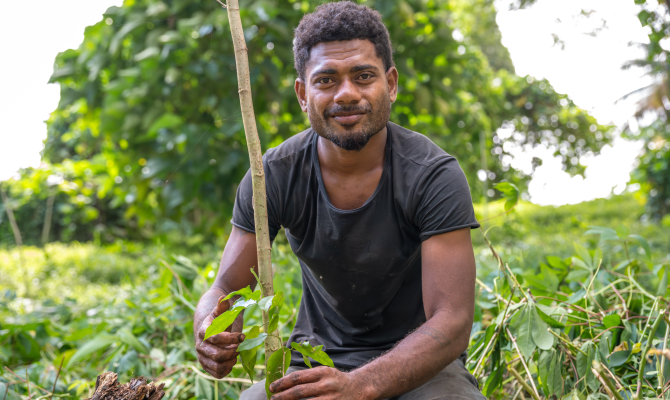
14 September 2026, Taveuni – Communities across Taveuni have been recognised for their leadership and commitment to protecting the island’s natural environment, as the Pacific Ecosystem-based Adaptation to Climate Change (PEBACC+) project formally handed over project-supported initiatives to community ownership.
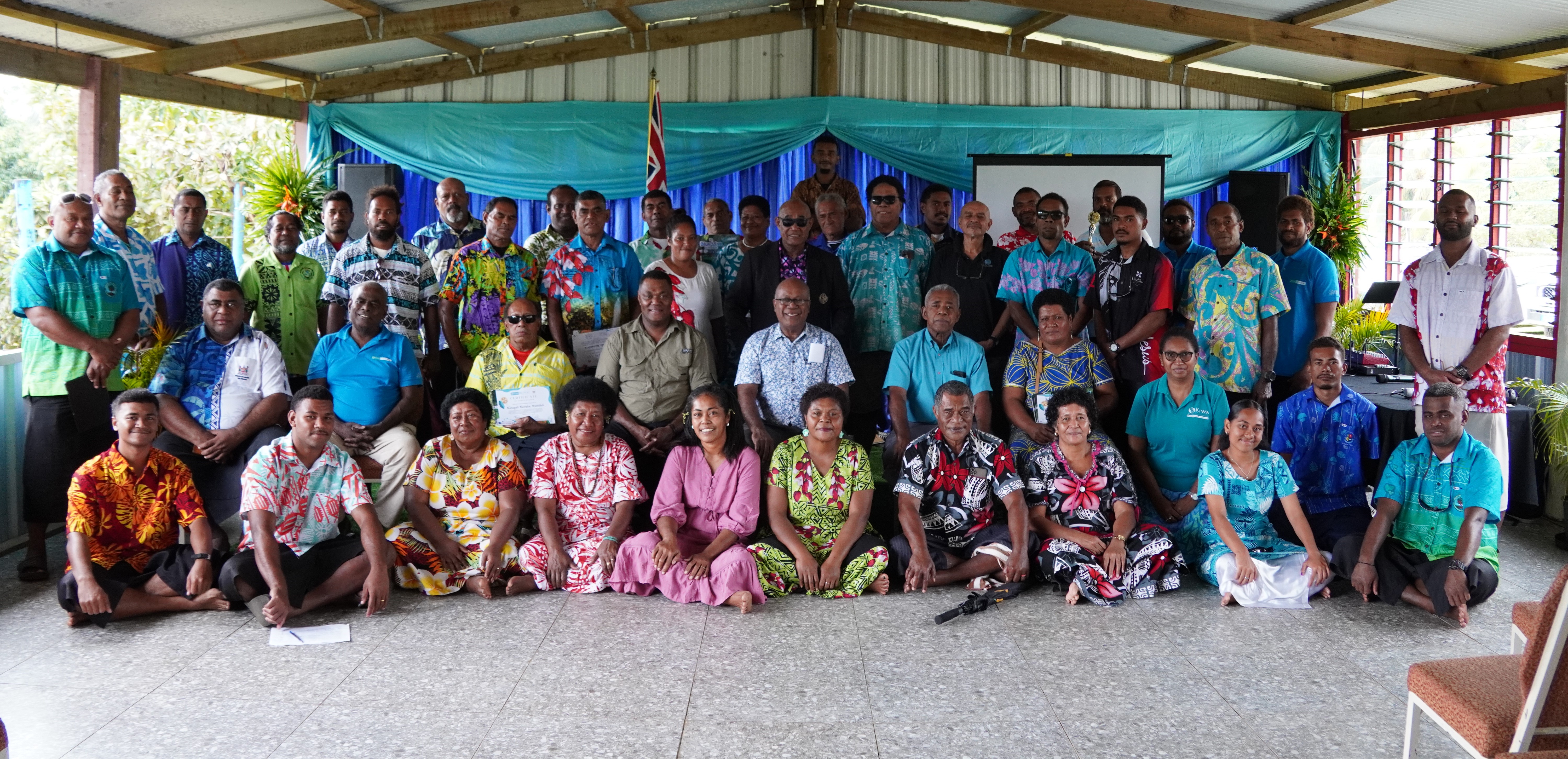
The Community Handover and Appreciation Event hosted in Taveuni on 23 July 2026 brought together community leaders, women, youth, farmers, government representatives, regional partners, and other stakeholders to celebrate achievements delivered through three years of collaboration.
For the Secretariat of the Pacific Regional Environment Programme (SPREP), the event marked a celebration of what communities have achieved and the beginning of a new phase of local stewardship.
“Today is a celebration and a handover,” said Amena Yauvoli, SPREP Director, Fiji Office and Biodiversity Conservation. “We are here to recognise the achievements made through the PEBACC+ project and most importantly to acknowledge the communities who have been at the heart of this work.”
Since implementation began in 2023, PEBACC+ has worked alongside communities across Taveuni to demonstrate how ecosystem-based adaptation (EbA) can strengthen resilience to climate change while protecting the natural resources that sustain livelihoods and culture.
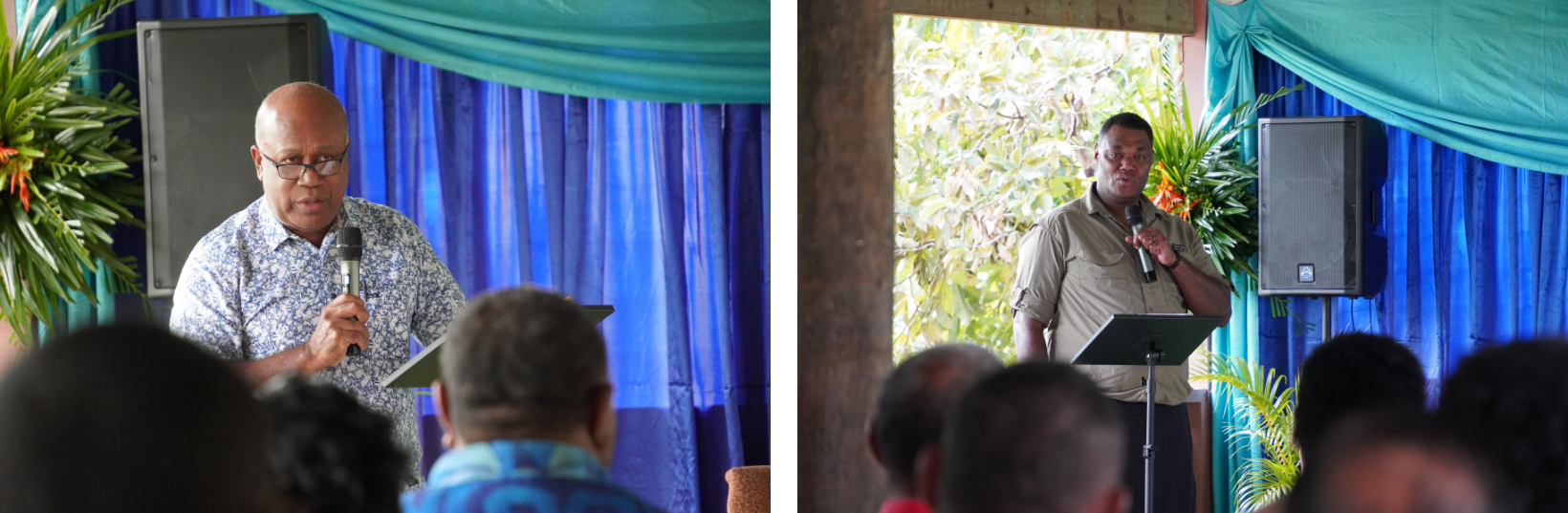
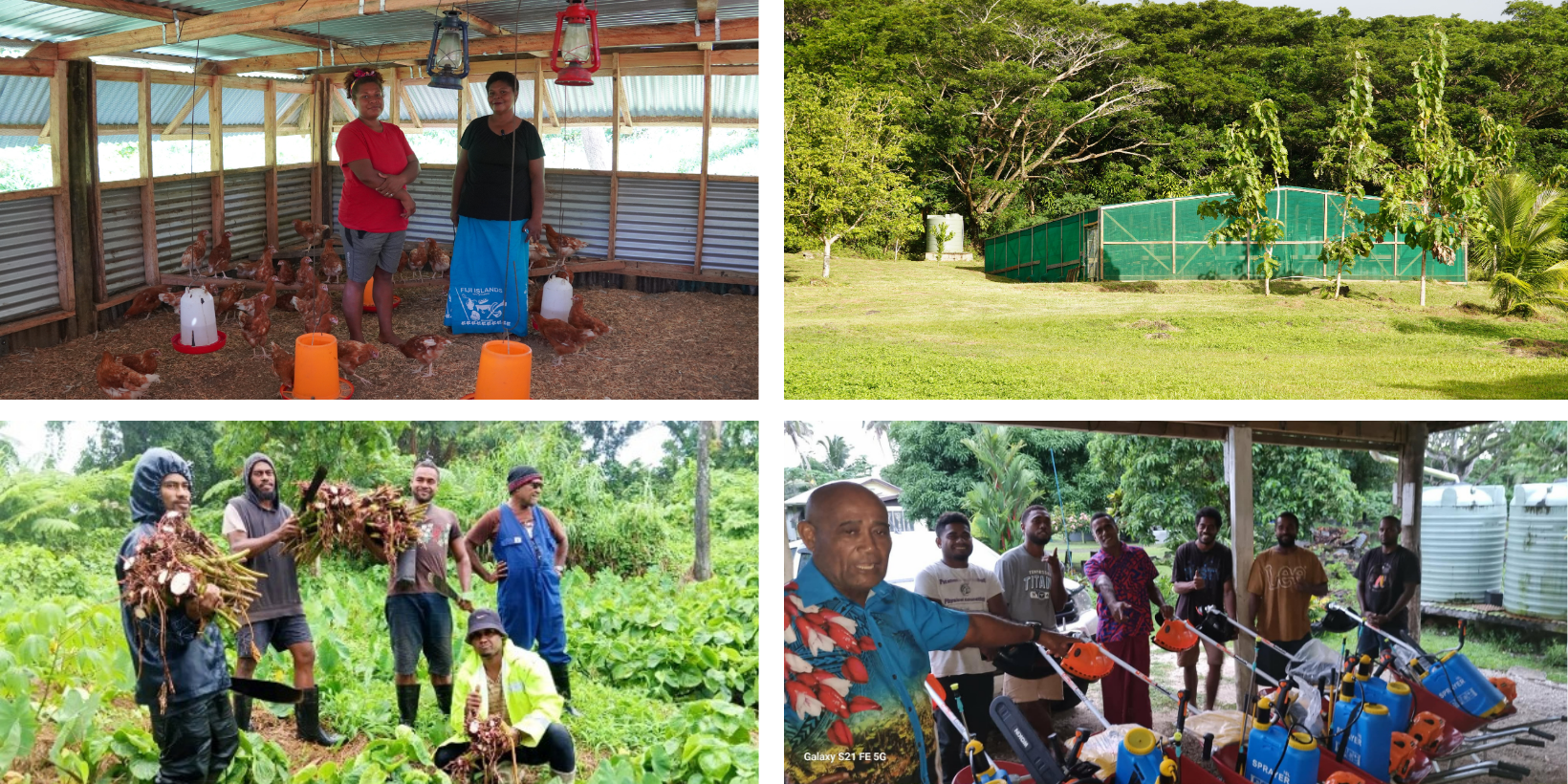
Among the results achieved, 60.5 hectares of degraded land were reforested across 13 landowning units, and 7.5 hectares of mangrove ecosystems were rehabilitated, with the Navakacoa Women’s and Youth Groups playing a leading role in mangrove planting, coastal rehabilitation and awareness activities. The project also supported four women’s groups in Taveuni to establish poultry projects, providing chicks, feed, poultry houses and training. The initiative strengthened women’s economic opportunities while linking livelihoods with environmental outcomes, with chicken manure being returned to farming and reforestation activities.
Perhaps most importantly for the handover, some landowning units are now replanting and sourcing their own seedlings for reforestation, demonstrating growing community ownership and a commitment to continue restoration beyond the life of the project.
PEBACC+ also invested in strengthening communities’ ability to sustain and expand this work through a series of Writeshops, community representatives from across Taveuni were supported to identify local environmental and livelihood challenges, develop project concepts, prepare budgets and identify potential funding partners. The intention was to build proposal-writing skills and help communities access future financing for locally led initiatives and continue the ecosystem-based adaptation work they have begun.
Recognition and awards for the work were presented to Mataqali Vidawa, Mataqali Lekutu, Mataqali Naituku, Mataqali Qali, Navakacoa Women and Youth Group, Duivosavosa, Tokatoka Wainiyaku, Tokatoka Batiravilevu, Mataqali Soso, Vuna Kevin Young Farmers Alumni, and women’s groups across the various mataqali.
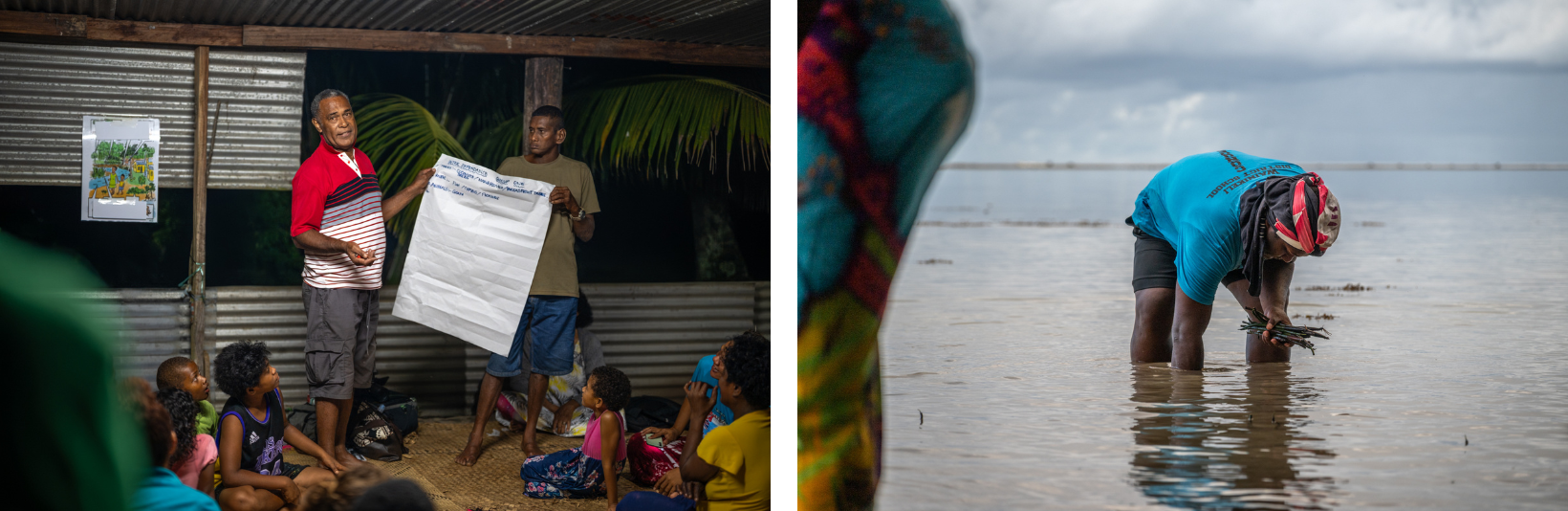
Representing Fiji’s Ministry of Forestry, Acting/Deputy Conservator of Forests, Apisai Rinamalo, acknowledged the traditional leaders, elders, women, youth, farmers, and volunteers who contributed their knowledge, labour, and leadership.
“The achievements we celebrate today belong first and foremost to the communities,” said Mr. Rinamalo, highlighting the power of community leadership and local stewardship. “The success of this project reflects your ownership and dedication.”
He also recognised the role of communities in protecting Fiji’s forests, watersheds, coastlines and biodiversity, noting that the success of the project reflects their ownership and dedication.
The handover signifies a transition in responsibility, with communities taking ownership of the investments made through the PEBACC+ project.
“The handover is not the end of this journey,” said Mr. Yauvoli. “Rather, it marks the beginning of a new chapter where communities take full ownership of the investments, knowledge, and systems established through the project.”
The project has directly benefited 4,520 people across the island; however, the lasting measure of success will be what communities continue to do with the knowledge, skills, and resources they have gained.
Youth have also emerged as important drivers of this transition. In Vuna, the Kevin Young Farmers Alumni (KYFA), a group of 14 young farmers, received support to strengthen their farming practices and transition towards organic production. With PEBACC+ support, the group set aside four acres for organic vegetable farming and received seedlings and farming tools, while also receiving guidance to reduce reliance on chemical inputs and improve long-term soil health.
As PEBACC+ concludes, SPREP and partners acknowledged the communities of Taveuni for their commitment and encouraged continued collaboration to sustain the gains made.
“The future of climate resilience in Fiji depends not only on projects, but on strong communities, healthy ecosystems and partnerships that endure,” said Mr. Yauvoli.
In Taveuni, SPREP worked alongside the Ministry of Forestry, the Ministry of iTaukei Affairs Board through the Cakaudrove Provincial Office, the Ministry of Rural and Maritime Development through the District Office, the Ministry of Agriculture, Teitei Taveuni, the Pacific Community (SPC), UNDP GEF Small Grants Programme, WWF Pacific, and communities throughout the implementation of the PEBACC+ project.
PEBACC+ is a regional project implemented by SPREP and funded by the Kiwa Initiative with co-financing from French Facility for Global Environment (FFEM). For more information, please contact: Setaita Tavanabola, Communications Officer, PEBACC+ Project, SPREP; email: setaitat@sprep.org or visit www.sprep.org/pebacc-plus