

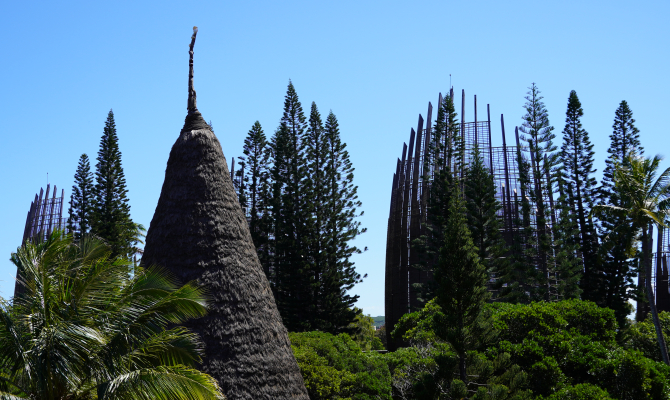
6 September 2026, Noumea, New Caledonia - As delegates from across the Pacific arrive in Nouméa for 11th Pacific Islands Conference for Nature Conservation (PCNC11), they will be welcomed into one of the Pacific's most iconic and inspiring landmarks, the Tjibaou Culturel Centre.
Nestled on the Tina Peninsula and surrounded by the spectacular natural beauty of New Caledonia's lagoons, forests and coastal landscapes, the Centre provides far more than a venue for discussion and collaboration. It offers a powerful reminder of the deep and enduring relationship between people, culture and nature that lies at the heart of Pacific identity.
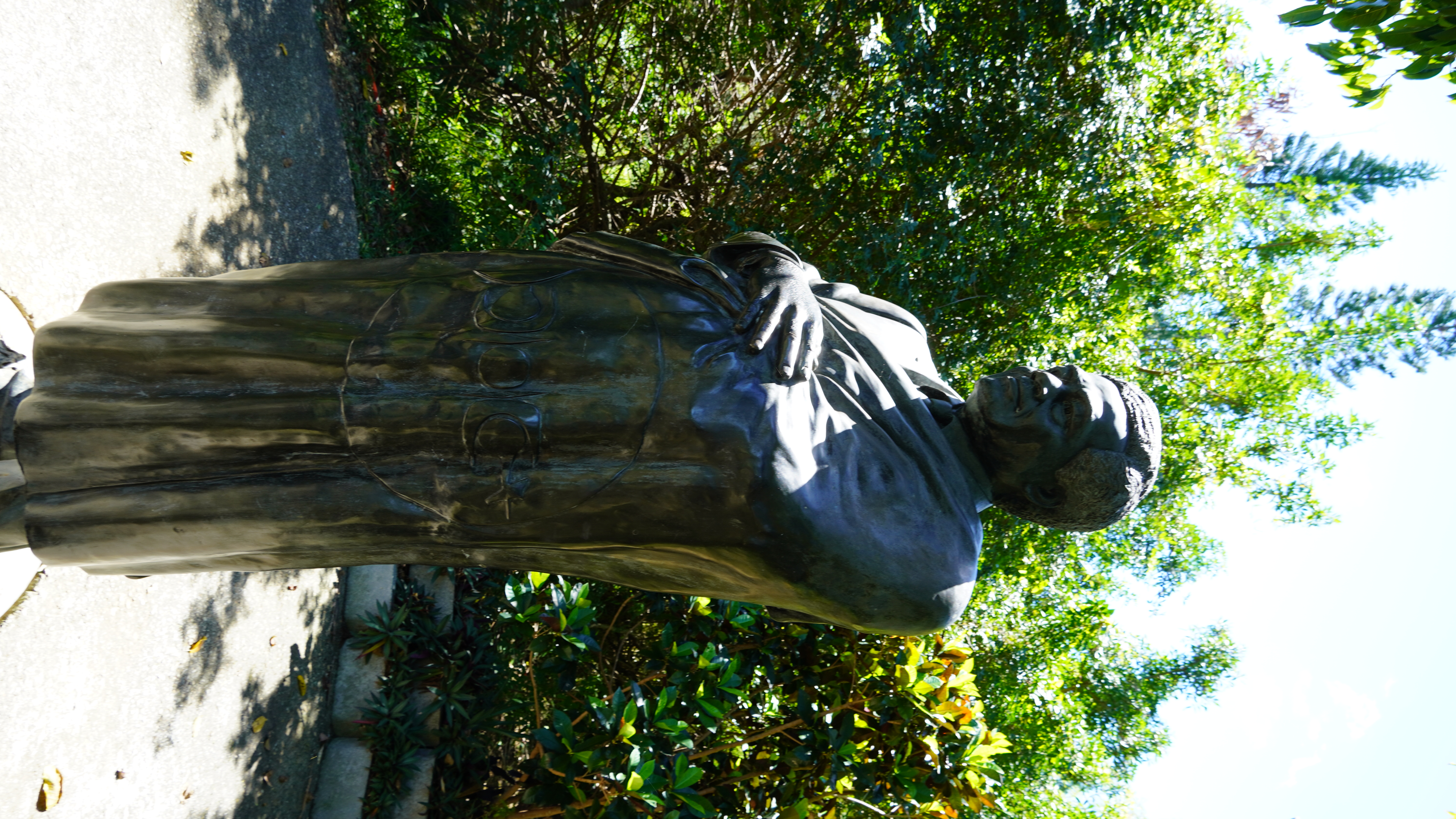
Named after the late Mr Jean-Marie Tjibaou, a visionary Kanak leader and advocate for cultural recognition, the Centre stands as a symbol of resilience, reconciliation and cultural pride. In 1989, the vision of a dedicated cultural institution celebrating Kanak heritage became a reality, culminating in the opening of the Centre in 1998.
Today, it serves as a vibrant hub for cultural preservation, education, artistic expression and dialogue, ensuring that Kanak traditions continue to thrive and evolve in the modern world.
“We are honoured to be hosting the 11th Conference on Nature Conservation at the Tjibaou Culturel Centre which holds significance value aligned to the purpose of the conference,” said Ms Easter Chu-Shing, Deputy Director General of the Secretariat of the Pacific Regional Environment Programme (SPREP).
“With its interconnected pathways, communal gathering spaces and surrounding vegetation that mirror the form and social organisation of traditional Kanak village for this week ahead we will be immersed in an environment where the natural world is an essential part of cultural identity and community life.”
The Tjibaou Culturel Centre is internationally renowned for its striking architecture, designed by celebrated Italian architect Mr Renzo Piano. Drawing inspiration from the traditional Kanak "Grande Case" or chief's hut, the Centre consists of ten elegant structures rising between 20 and 28 metres high.
These iconic forms constructed using wood, steel and modern engineering techniques, blend seamlessly with the surrounding landscape and reflect the creativity and ingenuity of Kanak building traditions. Rather than replicating traditional structures, the design reinterprets them in a contemporary way, creating a dialogue between heritage and innovation.
What makes the Centre truly remarkable, however, is the philosophy that underpins its design. Every aspect of the complex was shaped by a desire to reflect the Kanak worldview, one in which culture and nature are inseparable.
“Hosting the 11th Pacific Island Conference on Nature Conservation here comes full circle. We had planned to host it here in 2020 however those plans had to change due to COVID-19, being here in this venue next week with its strong connection to the environment is special for us all,” said Ms Chu-Shing.
“The Centre demonstrates that cultural heritage and biodiversity conservation are not separate pursuits. Rather, they are mutually reinforcing, each contributing to the health, resilience and wellbeing of communities and ecosystems alike.”
Long before sustainability became a global architectural priority, Mr Piano incorporated innovative environmental features that harness the region's natural climate.
The buildings utilise passive cooling systems that capture prevailing ocean breezes through adjustable wooden louvres and double-skin façades, reducing the need for energy-intensive air conditioning. This environmentally conscious approach reflects both modern engineering excellence and a respect for traditional knowledge about living in harmony with local conditions.
For centuries, Kanak communities have lived in close relationship with these environments, developing a deep understanding of ecological processes, seasonal cycles and species interactions. This traditional ecological knowledge continues to inform conservation efforts and highlights the important role that Indigenous communities play in protecting biodiversity across the Pacific.
In many respects, the Tjibaou Culturel Centre tells the story of the Pacific itself. It is a story of people deeply connected to place, drawing strength from cultural traditions while embracing innovation and change.
It is a story of stewardship, resilience and hope.
The 11th Pacific Islands Conference for Nature Conservation is held from 7 to 11 September 2026 at the Tjibaou Culturel Centre in Noumea New Caledonia. Bringing together over 400 delegates from across the Pacific, the conference is organised by New Caledonia, Secretariat of the Pacific Regional Environment Programme, and the Pacific Islands Roundtable for Nature Conservation with the support of partners.
For more information please visit : https://www.pacificislandsroundtable.com/pacific-nature-conference