

6 October 2026, Nadi - The critical need to ensure that global climate finance mechanisms respond to the needs and circumstances of vulnerable communities in the Pacific has been highlighted once more on the margins of pre-COP31 in Fiji.
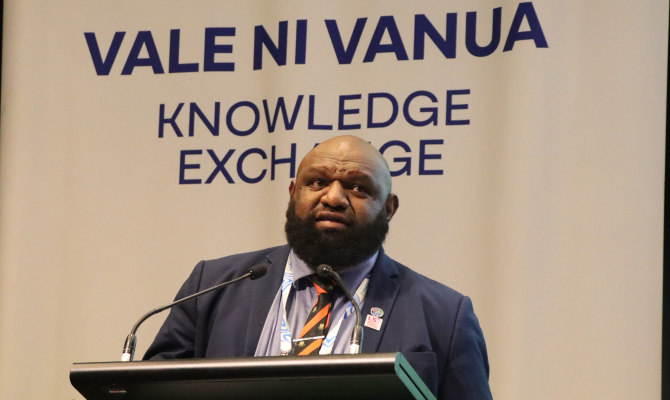
“We need to do more,” said Mr Ruel Yamuna from Papua New Guinea (PNG), who is also the Pacific’s COP31 Envoy on Access to Climate Finance.
Pacific countries account for more than a quarter of the world's most climate‑vulnerable countries. A single cyclone can cost twenty percent of a country's GDP in one event, reversing years of development progress and straining budgets and institutions already stretched thin.
Estimates place US$3.3 billion annually as the amount Pacific countries need in terms of climate finance, yet current commitments cover only a third of this. And even that share is unstable year to year.
“We need to ensure we make climate finance more accessible, predictable, responsive and effective, and to allow us to plan for action on addressing the impacts of climate change,” Mr Yamuna said, speaking to an international audience of pre-COP delegates and officials in Nadi on Tuesday. He provided closing remarks for the “Access to Finance: MDB and climate fund reforms that deliver” side event at Sofitel.
Access to climate finance is one of four critical priorities for Fiji as host country for pre-COP this week. The other three priorities are keeping 1.5°C within reach, placing the ocean at the heart of global climate action; and amplifying Pacific leadership and voices.
For the Secretariat of the Pacific Regional Environment Programme (SPREP), providing support to its Members to access climate finance through its role as an accredited entity to the Adaptation Fund, Green Climate Fund and through other sources, is a key part of its work.
SPREP is mandated under the Blue Pacific Strategy 2050 to lead or co-lead both the Oceans and Environment; and Climate and Disaster pillars. As part of this, the Secretariat convenes the Pacific Climate Change Roundtable as a governance platform for engagement and to strengthen coordination across partners and donors to ensure efficiency and transparency in how its support country priorities and develop investable pipelines.
SPREP Director General, Mr Sefanaia Nawadra, highlighted the need for better coordination between partners, donors and Pacific communities.
“The challenge for the Pacific is about access to finance and making sure it gets to where it is needed,” said Mr Nawadra. “We are all aware of issues at the international and regional level, there is also a need in country to enable that financing to percolate not only to the thematic areas where it is needed, but also to the communities that require that financing.
“It means that the level of organisation and coordination has to happen at many different levels, not only at regional organisation level, government, but also at sub-national level. It’s important to make them aware of what’s available, making them build their capacity to be able to put together the concept and the project documents to allow them to access finance, and having them at the table of national discussions to ensure that their issues are in the national documents.”
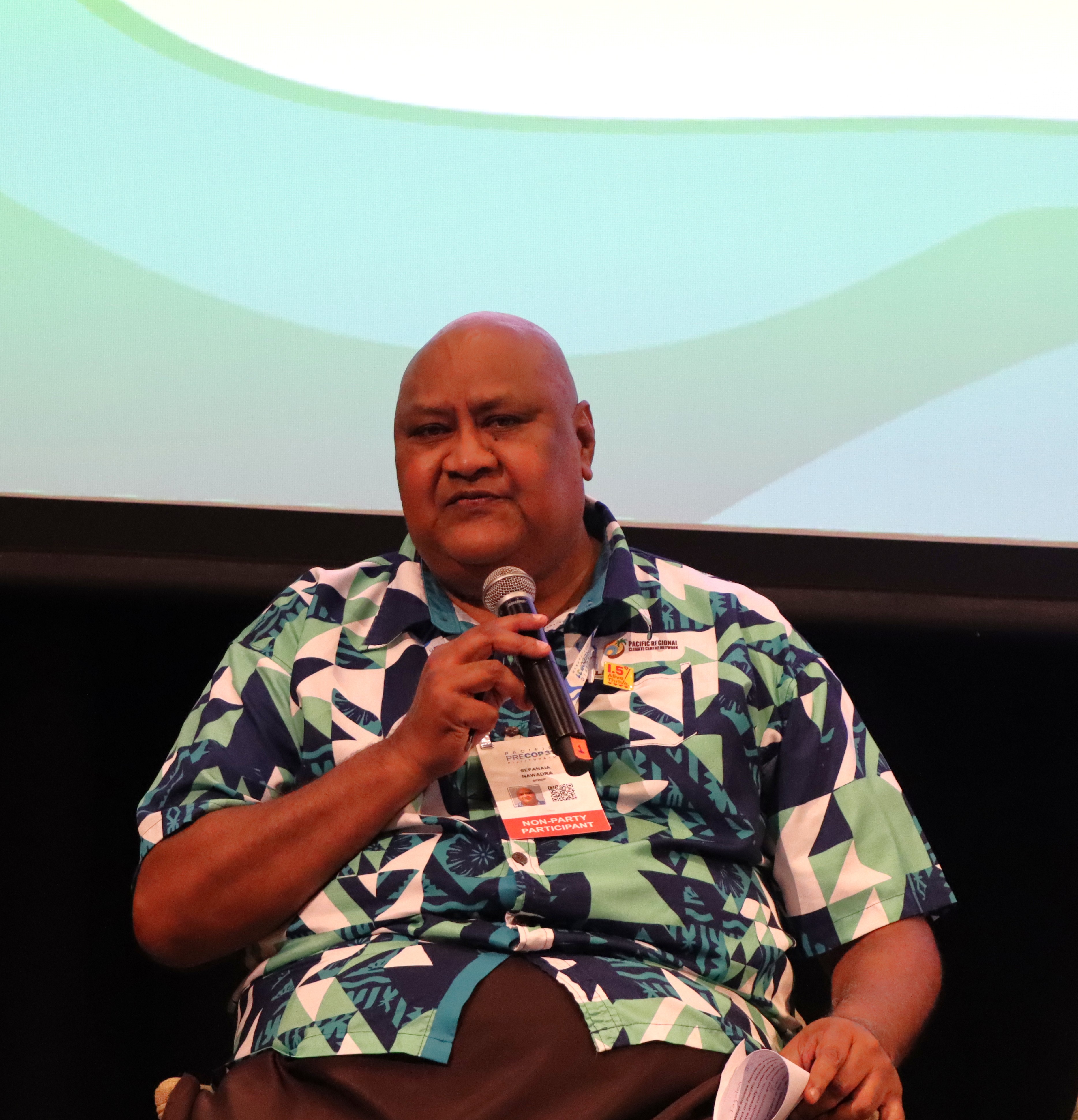
Mr Nawadra called on Multilateral development banks (MDBs) and multilateral climate funds for more support to enable organisations like SPREP to support Pacific communities at the forefront of the climate crisis.
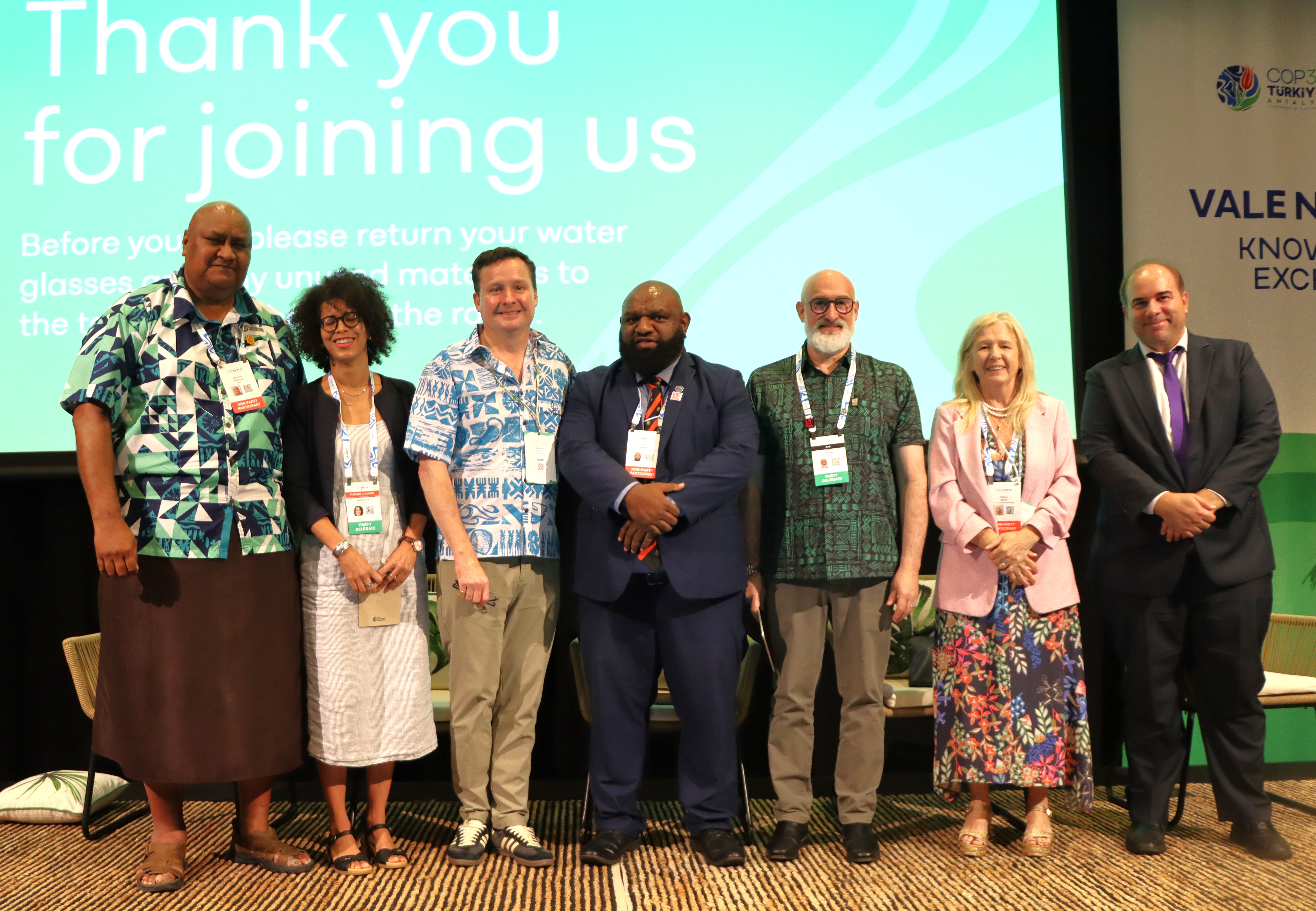
The “Access to Finance: MDB and climate fund reforms that deliver” side event is part of the Vale ni Vanua, knowledge exchange stakeholders engagement programme organised as part of pre-COP31.
Access to climate finance continues to be a key priority for Small Island Developing States (SIDS) and Least Developed Countries (LDCs) heading to COP31.
While Multilateral Development Banks (MDBs) and climate funds have reformed aspects of their processes in recent years, these changes are not always well understood by governments that continue to experience the burden of accessing and delivering finance.
The side event anchored SIDS access to finance as a priority and provided a direct forum for climate finance providers, Pacific island countries, SIDS and LDCs to discuss reforms already underway and the further changes needed.
From 5-8 October, Fiji, Tuvalu and Australia are partnering to deliver the official COP31 pre-COP ministerial meeting and Leaders’ event. Attendance at Pre-COP is expected to include leaders, ministers, senior representatives and officials from invited countries, Türkiye, UN representatives and selected observers.
Stakeholder programming is also expected to include civil society, private sector, academia, First Nations, youth and community organisations.