

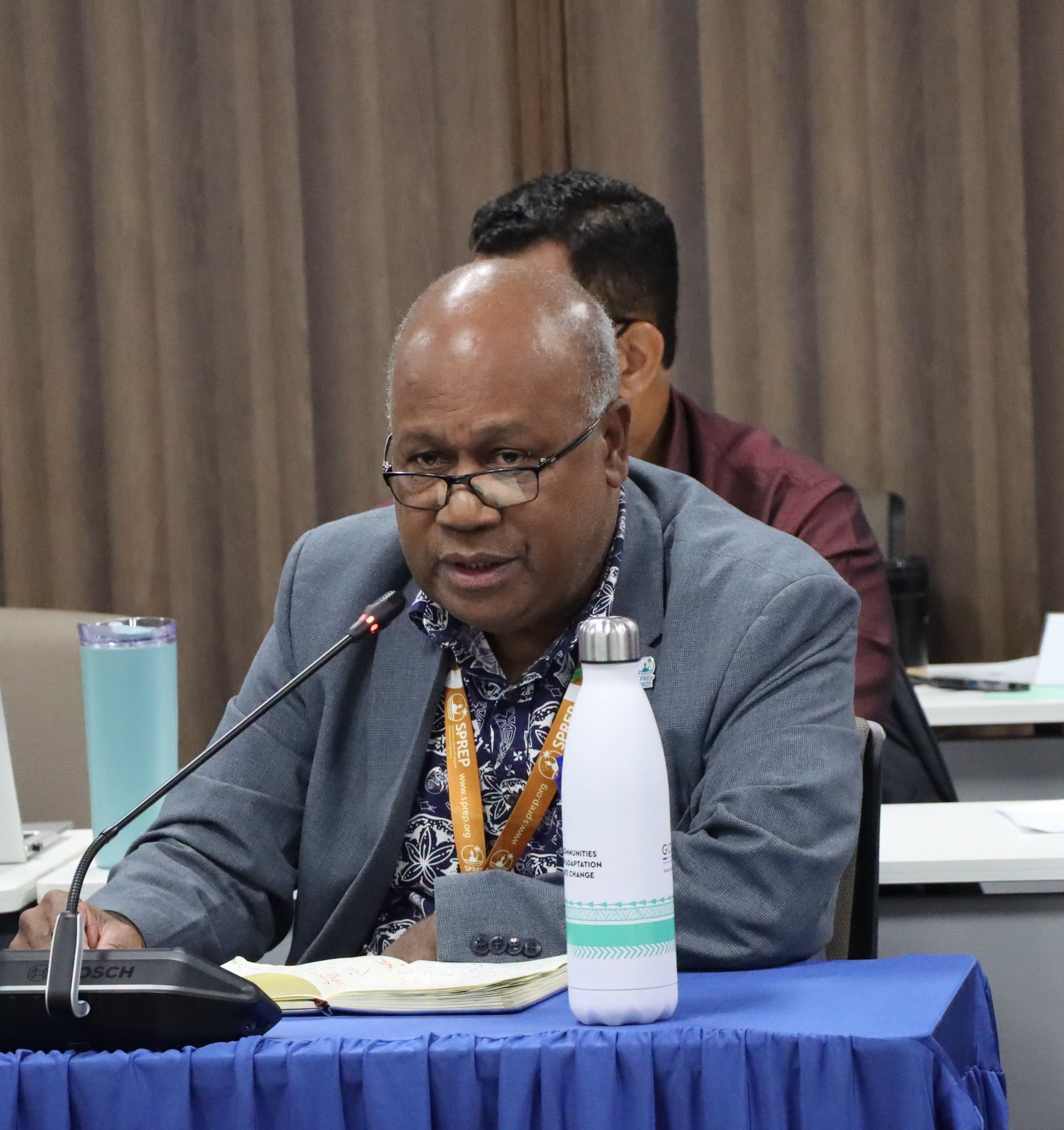
As the countdown to the 11th Pacific Islands Conference on Nature Conservation in New Caledonia continues, Amenatave Yauvoli, SPREP Director Biodiversity and Conservation, shares his views on why this matters at a time when the world’s grappling with a number of challenges:
Culture, faith and identity are central to the lives of Pacific communities.
Sadly, at a time when the world is grappling with a trifecta of challenges ranging from wars, fuel shortages and changing weather patterns, these pillars are increasingly being challenged.
A key threat is the impact of the triple planetary crises of climate change, biodiversity loss and pollution.
Today, the need to ensure our natural environment is protected as the bedrock for preservation of such key pillars, has never been more important. The reality for our Pacific communities is both unfair and grim.
Unfair in the sense that despite contributing only 0.01% of global emissions to the greenhouse gases that have warmed our planet, our people bear the brunt of the impacts.
Grim because we have seen rising seas swallow coastlines and erode our beaches. We have seen saltwater ruin farm soil and traditional crops, hotter temperatures and intense weather-related calamities have caused widespread devastation, claimed lives and spread climate-related illnesses. The loss of ancestral lands, language and traditional heritage…the list goes on.
But we don’t just dwell on such an unfair and grim reality. Our Pacific people are resilient, we overcome. And SPREP is actively engaged on several fronts to ensure our resilience is stronger, sustaining our Pacific environment, livelihoods and natural heritage in harmony with our cultures.
A key part of this work is the Pacific Islands Conference on Nature Conservation.
First convened in 1975 as the Pacific Islands Conference on National Parks and Reserves to provide a regional voice for Pacific biodiversity, the meeting later expanded into the Pacific Islands Conference on Nature Conservation, reflecting the full breadth of Pacific ecosystems, threatened species, marine and terrestrial areas, and the connections between nature and Pacific cultures.
It has since become the Pacific region's most important gathering for biodiversity policy and practice. This is critical because our Pacific biodiversity is amongst the richest and most unique in the world.
It is home to many species, a great many of these are only found exclusively in our region. The tropical Pacific is home to 25% of the world’s coral reefs, and 3% of the world’s mangroves. The Pacific Ocean is also home to over half of the world’s whale and dolphin species, as well as sharks, rays, and turtles.
Our marine biodiversity feeds not only us, but the rest of the world. Approximately 70% of the world’s tuna catch is from the Pacific Ocean, and most of the protein in the diet of Pacific islanders is from near-shore pelagic, reef, and lagoon fisheries. Wetlands also provide habitats that support many species which we rely on for nutrition.
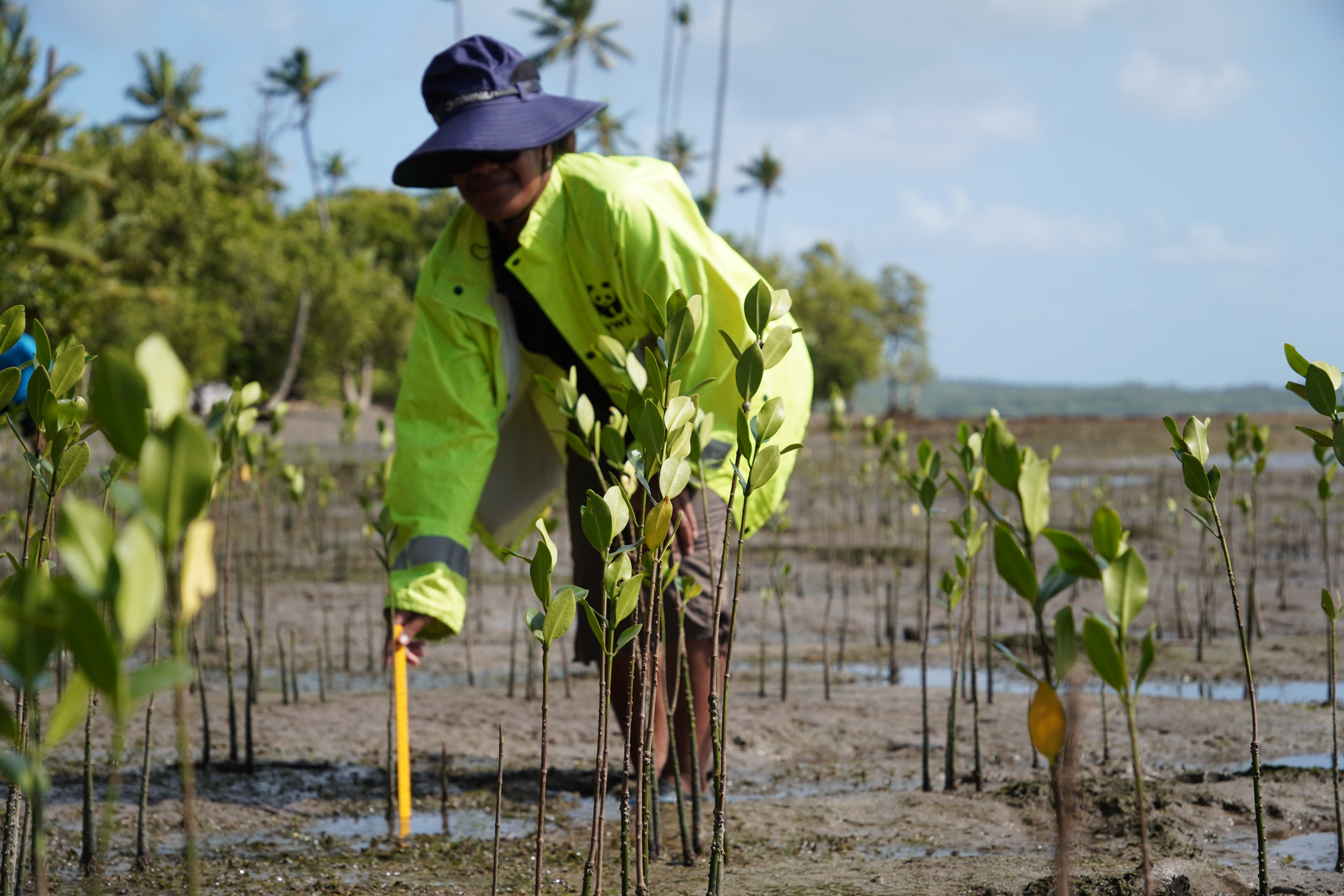
Our biodiversity also provides natural solutions. For instance, healthy wetlands such as mangroves help stabilise shoreline, reduce sediment loads that reach the lagoons, and buffer against sea level rise and storm damage. Maintaining healthy wetlands is often one of the most cost-effective ways to reduce shoreline erosion. In addition, reefs reduce wave energy on shores by at least 95%.
But our biodiversity is facing increasing new and emerging threats as a result of human activity, such as disease, invasive species, predator outbreaks, overfishing, destructive fishing, marine litter, ocean acidification, and climate change, to name a few.
Against this backdrop, the Pacific Islands Conference on Nature Conservation plays a critical role in our collective effort to protect and preserve our biodiversity. From 7–11 September 2026 in Noumea, New Caledonia, we have the opportunity to continue this effort. We are excited about this gathering and SPREP is grateful for the chance to co-host the meeting with the Government of New Caledonia.
The conference marks an important milestone as conservation leaders and practitioners gather to launch and adopt the new Pacific Regional Framework for Nature Conservation 2026–2030, State of Environment and Conservation 2025 and endorse a new Declaration, reinforcing the region’s commitment to achieving the goals of the Kunming-Montreal Global Biodiversity Framework and securing a resilient future for Pacific people and nature.
Why do these matter? Fifty-one years ago, when the Pacific Islands Conference on National Parks and Reserves was convened, a question was posed; what will it take to look after our Pacific environment, together?
The answer has been complex, winding and is still work in progress. What we have come to accept though is that nature conservation is not just the responsibility of governments and conservation organisations.
Everyone has a role to play. People and communities can help by protecting local ecosystems, respecting traditional knowledge and customary practices, reducing pollution, supporting sustainable use of natural resources, and taking part in local conservation activities. Small actions can contribute to healthier communities and a healthier Pacific, a key part in protecting and preserving our culture, faith and identity.
As Pacific communities, we are custodians of our rich biodiverse places and oceans, we have a duty to manage well and protect our natural capital for our children and the planet. Faith and traditional values also remind us that caring for creation is both a shared responsibility and a duty to future generation.
The 11th Pacific Islands Conference on Nature Conservation reflects our shared responsibility to protect and restore nature, uphold Pacific knowledge and cultures, and ensure that nature conservation supports the wellbeing of present and future generations. The journey continues!