

4 September 2026, Apia – With Pacific countries facing an adaptation finance gap estimated at hundreds of billions of dollars, officials from 14 Pacific Small Island States gathered in Apia this week to transform project concepts into investment-ready proposals capable of unlocking vital climate funding.
The four weeks training, running from 10 August to 04 September with its 3 weeks on the PCCC E-learning Platform had convene its final phase in person session at the Pacific Climate Change Centre (PCCC) at the Secretariat of the Pacific Regional Environment Programme (SPREP), brings together representatives from Offices of climate change, finance, private sectors and chamber of commerce from across the region. Participating countries include Cook Islands, Fiji, Kiribati, Marshall Islands, Naoero, Niue, Palau, Papua New Guinea, Samoa, Solomon Islands, Tonga, Tuvalu, Vanuatu, and the Federated States of Micronesia.
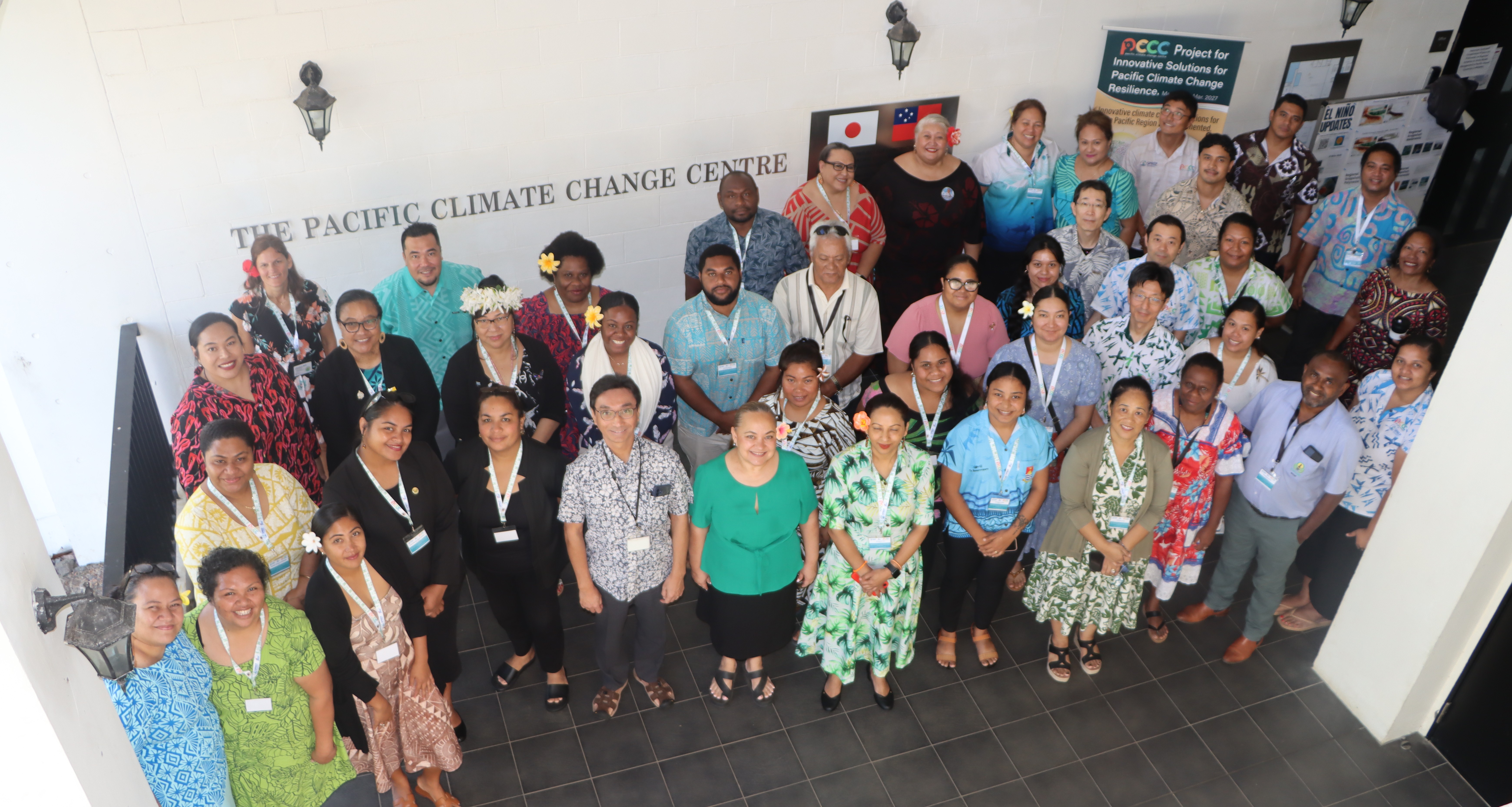
The training is the third regional session under the Project for Innovative Solutions for the Pacific Climate Change Resilience (ISPCCR) which encompasses capacity building, sharing of knowledge and ideas and appreciating innovative solutions and pathways to framing project proposals. The ISPCCR Regional Project , a joint initiative of the Japan International Cooperation Agency (JICA), Government of Samoa and SPREP through the Pacific Climate Change Centre (PCCC) and leadership of Climate Change Resilience Programme (CCR).
Despite growing global climate finance opportunities, Pacific continues to struggle to access investment due to limited capacity constraints, and difficulties in translating priorities into bankable projects. This training aims to take a step forward to bridge barriers by providing hands-on support to refine country-specific proposals with expert guidance from SPREP, JICA, Conservation International, KVA Consults and AJ Farming.
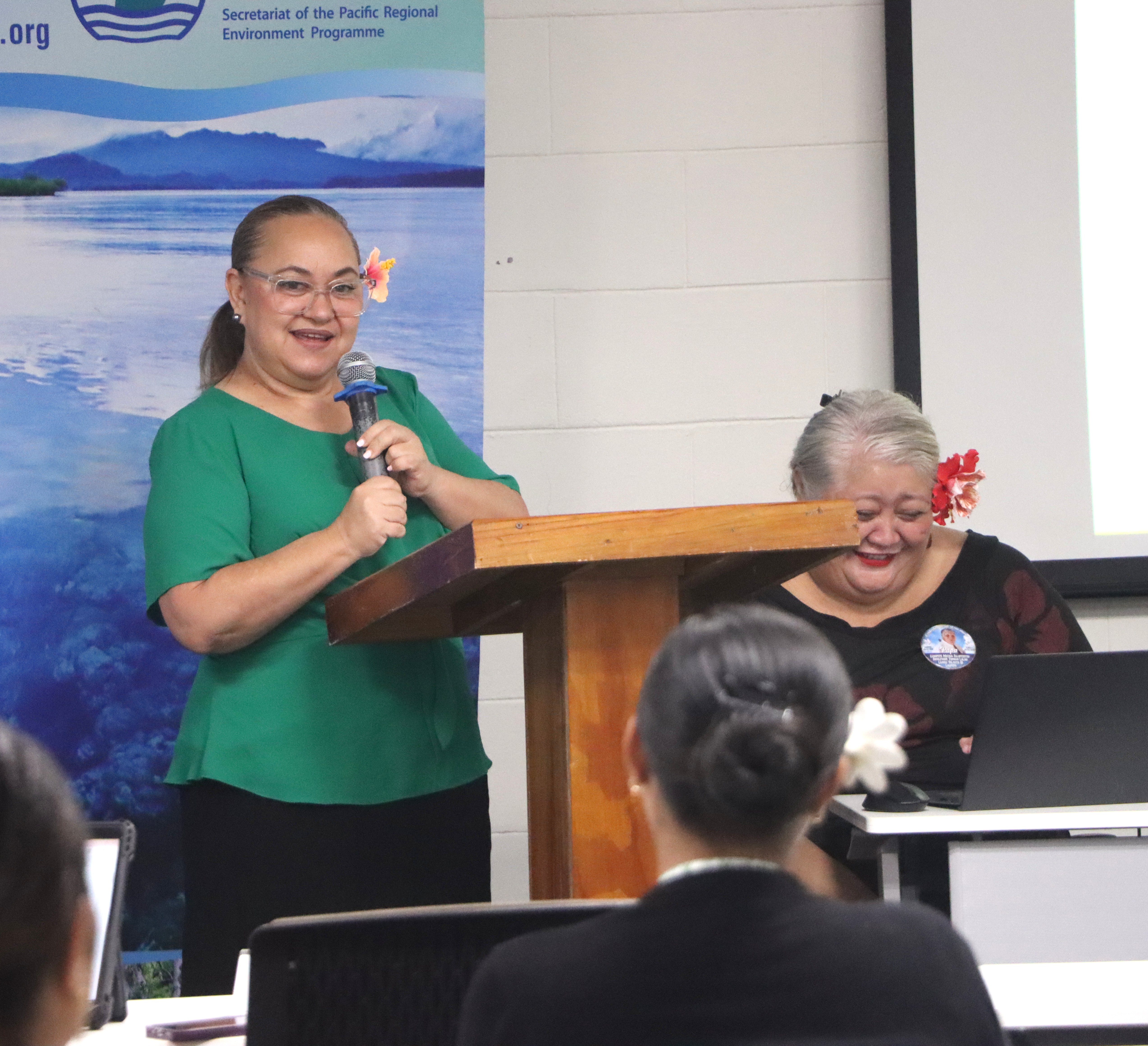
SPREP Director of CCR, Tagaloa Cooper, underscored the need for collective action, stating: "The scale and urgency of the climate challenges facing our Pacific require us to move beyond traditional approaches and strengthen the way our governments, financial institutions, private sector, development partners, academia, businesses, communities and other stakeholders work together. Climate finance is not the responsibility of one sector alone."
She challenged participants to consider three things: "First, what can I take back to my institution and my country? Second, who can I continue working with beyond this training? And third, what practical action can I take to strengthen public–private collaboration and improve access to climate finance in the Pacific?"
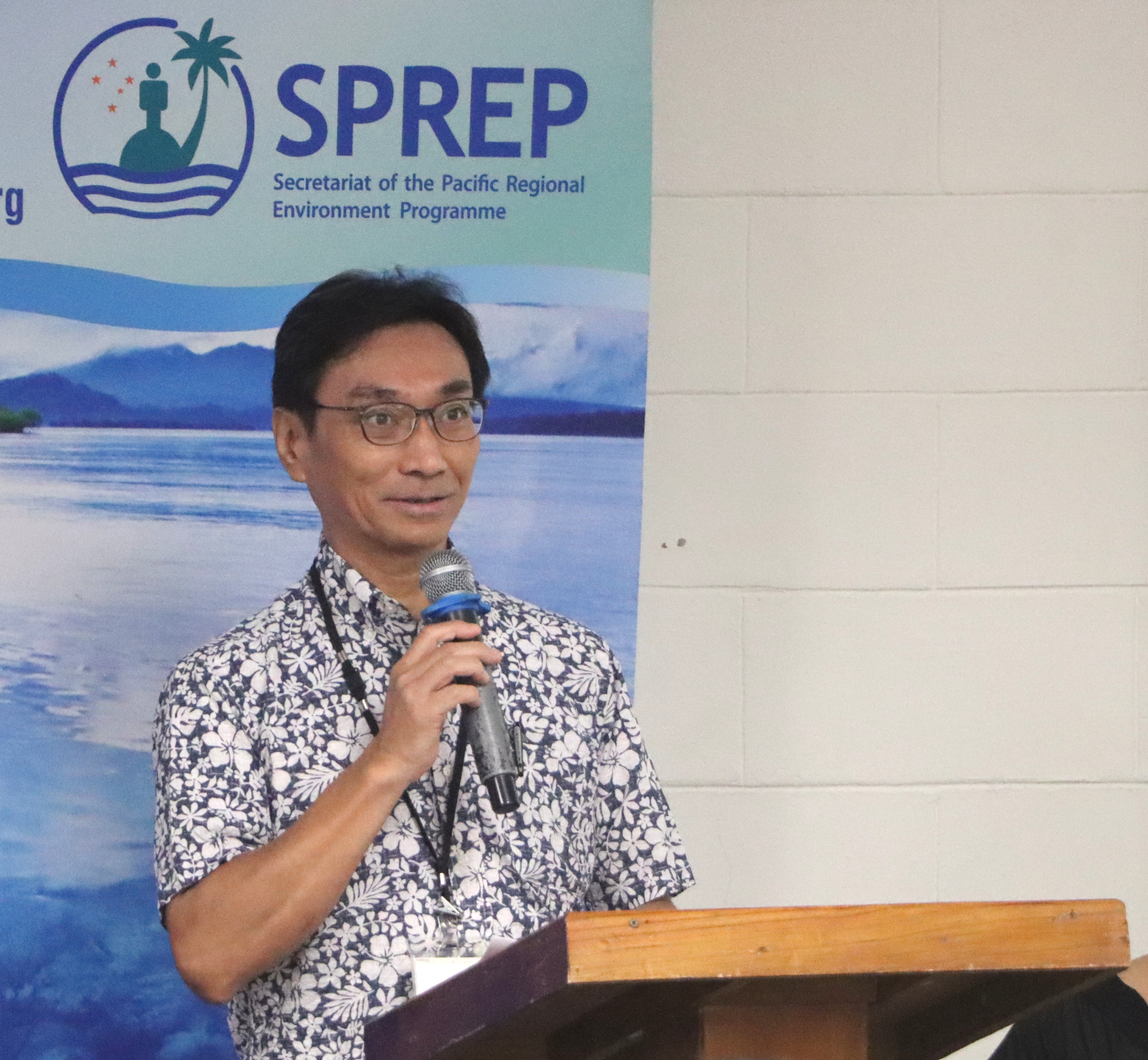
JICA Resident Representative in Samoa, Shigeki Furuta, noted that while climate finance opportunities are increasing globally, accessing them remains complex, requiring "a strong understanding of funding mechanisms, effective coordination among stakeholders, and the ability to develop bankable and well-designed project proposals."
He added: "This training goes beyond building individual capacity. It is about building relationships, strengthening regional networks, sharing solutions, and creating a community of practitioners who can continue working together long after this training concludes."
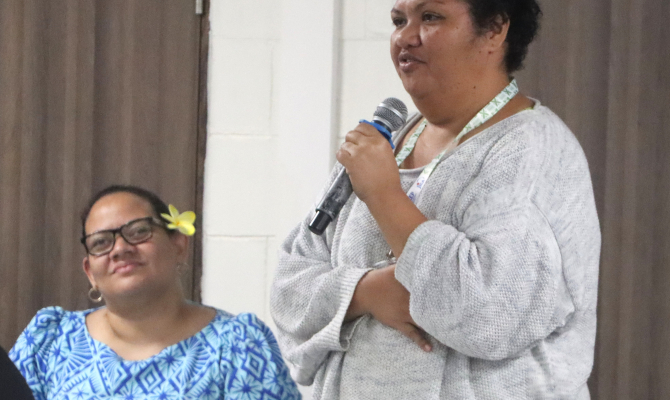
During the launching of the in person session, participants shared what they hoped to gain from the week ahead, expressing anticipation for learning practical strategies to develop bankable proposals and better understand how to engage both public and private sector in climate action. Participants shared common ground, particularly those from government, while private-sector participants are beginning to explore how policies and guidelines can better integrate their roles and contributions into climate action at all levels.
Over the week, participants will engage in Modules covering climate finance architecture, accessing finance through public-private collaboration, and practical proposal preparation. Country teams will work intensively on proposal refinement with expert support, culminating in review panel presentations.
The training concludes with presentation of the proposal for review panel composed by experts from SPREP for feedback and certificate presentations. Three proposals will be selected to progress to JICA mentoring services for refinement and further consultation with government and private sector.