

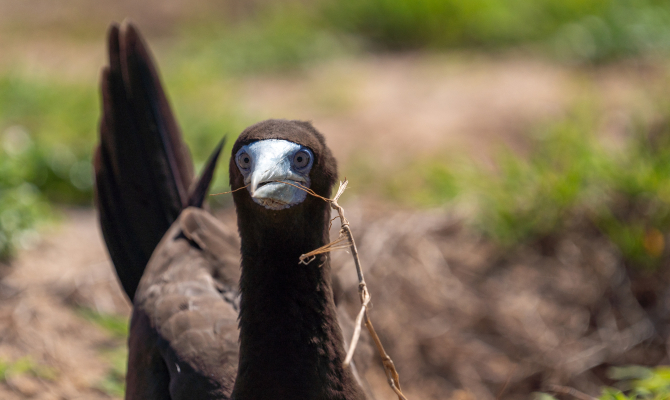
7 September 2026, Noumea New Caledonia - Five years after the Pacific region’s environmental status and trends were first assessed, the results tell the region what has changed and what it must do next. This morning, the Pacific Ministerial segment adopted the second edition of the State of the Environment and Conservation in the Pacific Islands: 2025 Regional Report (SOEC) at the 11th Pacific Islands Conference on Nature Conservation, held at the Tjibaou Cultural Centre in Nouméa.
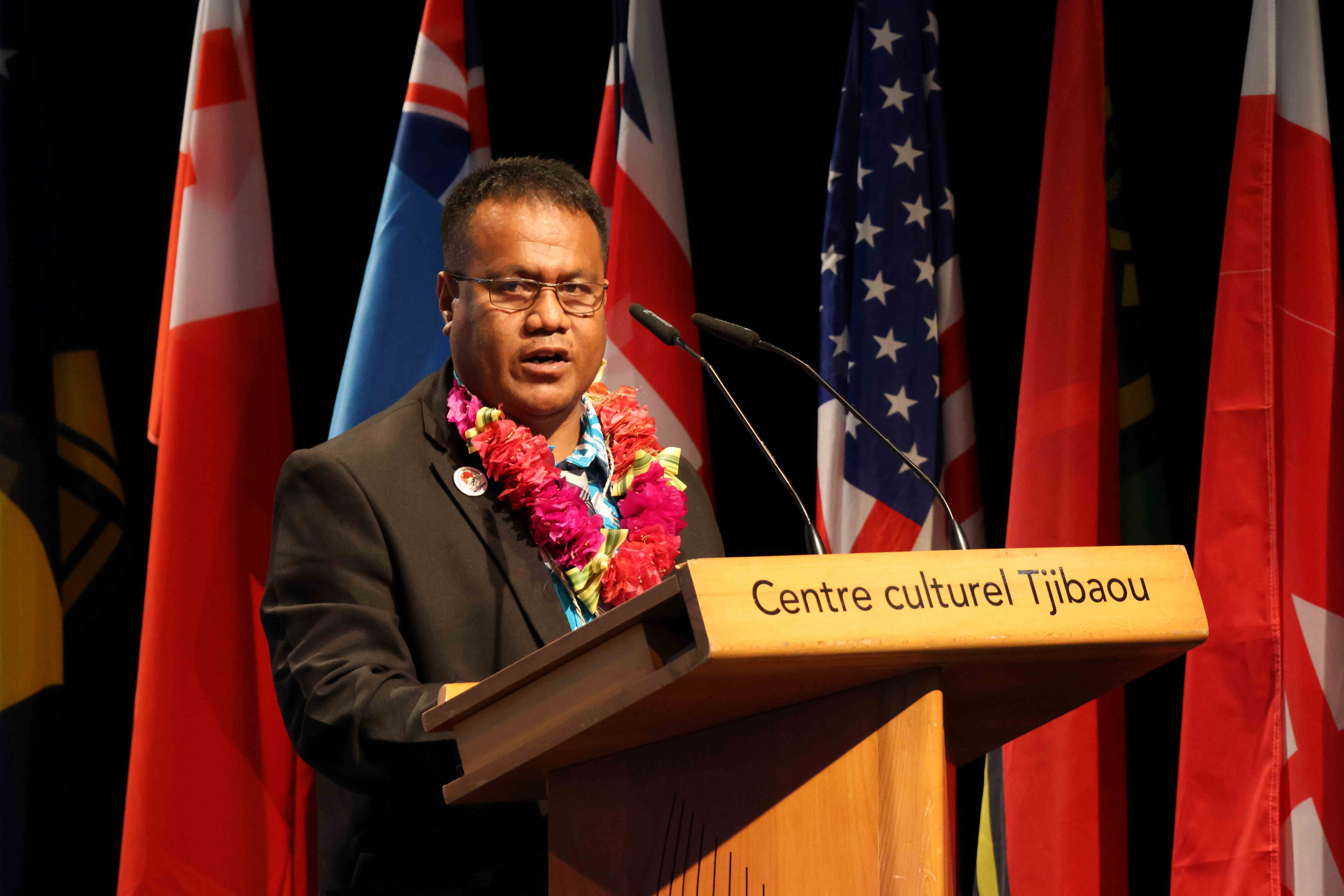
In his ministerial intervention, the Honourable Tokaibure Rabaua, Kiribati’s Minister of Environment, Lands and Agricultural Development said - “Kiribati welcomes the regional State of the Environment Report. These findings are not abstract, and we stand firmly behind this regional effort”.
For the first time, the region can review the baselines established in 2020 and measure five years of change. This is a significant step forward in turning Pacific evidence into Pacific decisions.
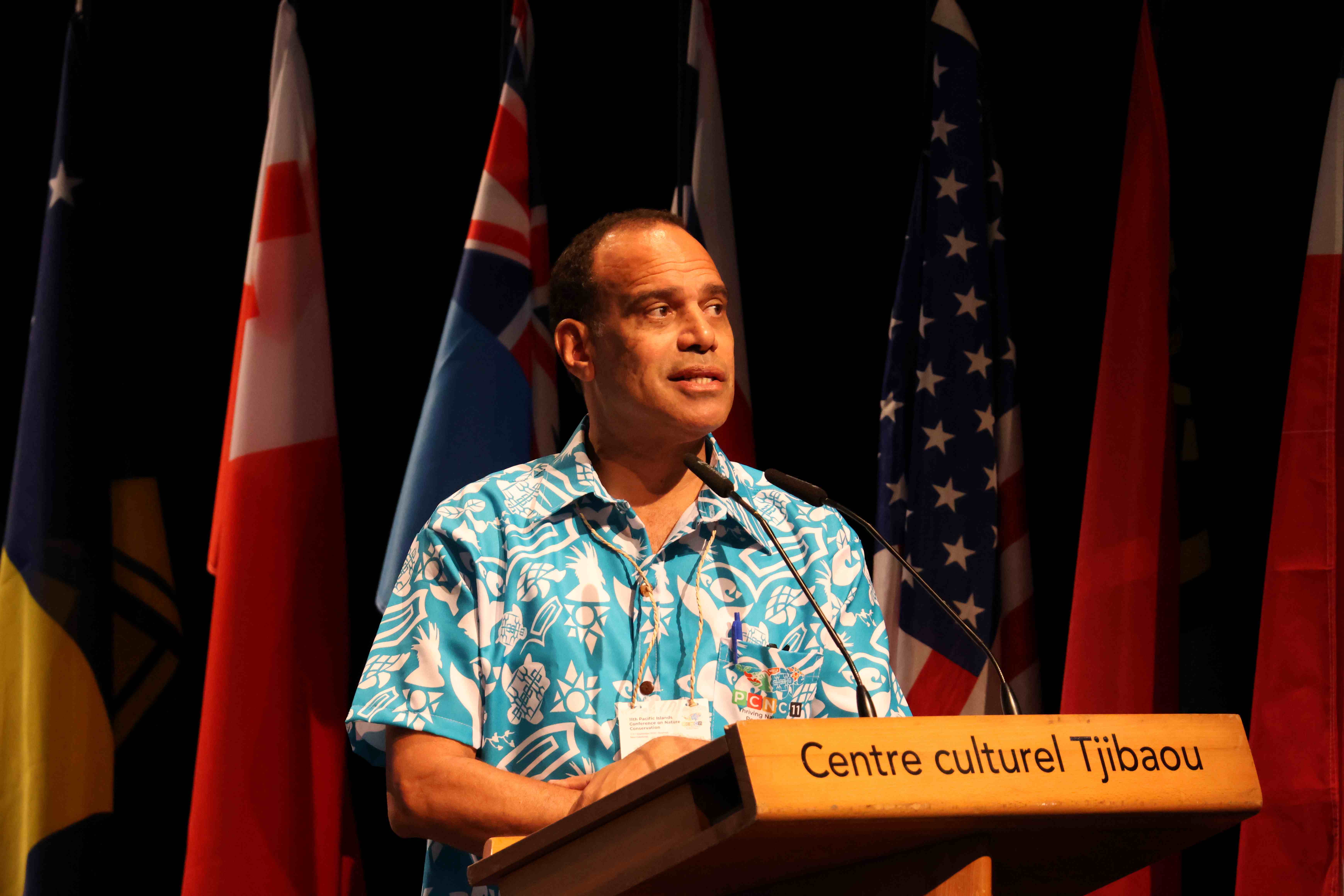
Noting the report’s findings on the poor state of hazardous waste captured, the Honourable Ralph Regenvanu, Vanuatu’s Minister for Climate Change Adaptation, Energy, Environment, Meteorology, Geo-Hazards and Disaster Management, used his ministerial intervention to highlight recent legislative progress. He pointed to the passage of the Product Stewardship Scheme Act, which establishes a national Product Stewardship Scheme (PSS) to hold the private sector accountable for container and packaging waste in Vanuatu.
“We are putting in place a practical, self-financing system that reduces litter, improves recycling and makes producers part of the solution to Vanuatu’s waste challenge.”
The SOEC 2025 report examines the status and trends of the region's environmental indicators across six thematic areas - atmosphere and climate, biodiversity, environmental governance, land, built environment and coastal and marine, providing decision-makers with the authoritative evidence needed to guide action.
"What our indicators tell us is clear, progress is possible when we act together. Consistent monitoring, sustained management, financing and political will are what sustain our gains." said Mr Jope Davetanivalu, Director of SPREP's Environmental Governance Programme in his opening presentation of the findings of the SOEC.
“The commitments are already in place and this report helps us track them through one shared evidence base.”
The 2025 report presents a mixed picture across the region. Some indicators continue to achieve the outcomes the region wants, including stable offshore fisheries and the progressive phase-out of ozone-depleting substances.
Other indicators show limited or no improvement since 2020, including national budget allocations to environment ministries, the condition of native and primary forests and the management of hazardous waste and invasive species which remain ongoing and growing challenges.
The assessment also highlights the challenge of data fragmentation, with environmental information scattered and siloed across national systems, leaving gaps in monitoring and reporting that lower confidence in some indicators and limit the region's ability to track progress.
On land, the condition of the region's native and primary forests is not improving, with the indicator status dropping since 2020. Forests continue to be impacted by land-use change, fragmentation and deforestation. Data confidence has also dropped, as assessments still rely on older national forest inventories (more than five years old) or non-inventory sources which is a useful reminder of the value of strengthening monitoring and reporting, so that together the region can better understand how best to manage and protect what remains.
Within built environment thematic area, waste and new types of waste remains an ongoing and growing challenge for the region. The region continues to face challenges on how to safely dispose of hazardous waste, including e-waste and pharmaceutical and chemical waste, and as the region develops and adopts new technologies, these volumes are only likely to grow.
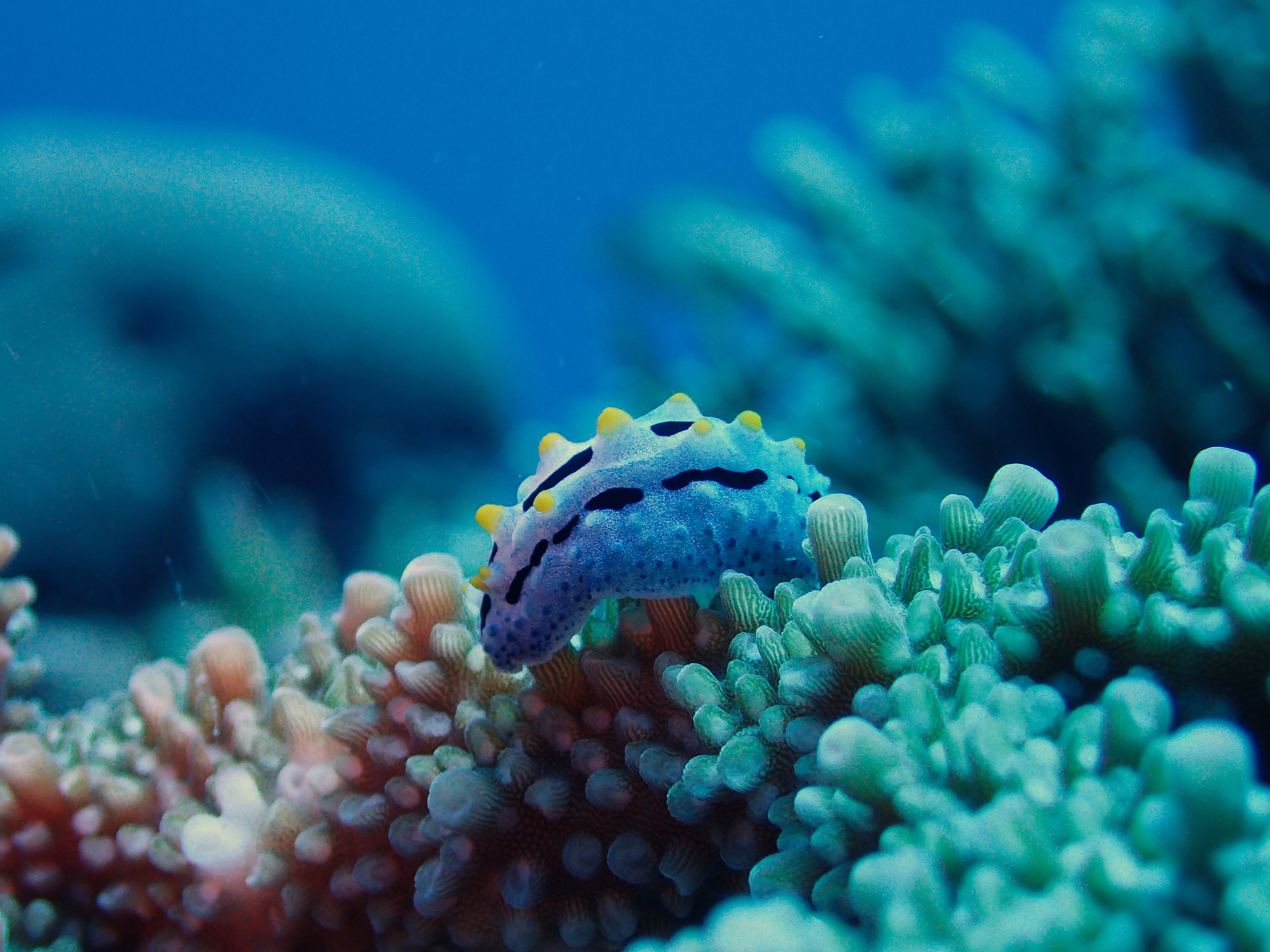
The adoption of the second edition coincides with the launch of the renewed Pacific Regional Framework for Nature Conservation 2026–2030, underscoring the region's commitment to evidence-based conservation and sustainable development.
With the SOEC 2025 now adopted, the Pacific turns its attention to the road ahead. The report is not an endpoint but a starting point, a living tool that will guide decisions, track commitments and hold the region accountable as it works towards the goals of the renewed Framework 2026–2030. Every indicator it measures is a promise to future generations, and every gap it reveals is an invitation to act.
The strength of this report lies not only in its data but in the people behind it - the Members, national officers, technical experts, communities, youth, reviewers, donors and partners whose work made it possible. As the region moves forward, it does so together, carrying forward the evidence, the commitments and the collective will to ensure that the next five years bring the change the Pacific wants to see.
About the State of Environment and Conservation in the Pacific Islands: 2025 Regional Report
The State of the Environment and Conservation in the Pacific Islands: 2025 Regional Report was made possible through the financial support of the Ministry of New Zealand Foreign Affairs and Trade, the EU-funded Bio-scape Programme, and the African, Caribbean and Pacific Multilateral Environmental Agreements Programme (ACP MEAs) ACP MEAs Programme.
The assessment draws on data from across the region.
- Fourteen independent Pacific countries are represented: the Cook Islands, Federated States of Micronesia, Fiji, Kiribati, Marshall Islands, Nauru, Niue, Papua New Guinea, Palau, Samoa, Solomon Islands, Tonga, Tuvalu and Vanuatu.
- The seven SPREP member territories and protectorates of American Samoa, the Commonwealth of the Northern Mariana Islands, Guam, French Polynesia, New Caledonia, Tokelau and Wallis and Futuna are included in the assessments whenever data were available.
- Information was excluded when it was specific only to an entire metropolitan country partner, namely Australia, France, New Zealand, the United Kingdom or the United States of America.
- Pitcairn Island is also included in many analyses, where the availability of data permitted, although, while the United Kingdom is a Member of SPREP, Pitcairn is not formally a SPREP Member.
To access the SOEC 2025, please visit: https://library.sprep.org/content/state-environment-and-conservation-int-he-pacific-islands-2025-regional-report-second
Photos: Lead image from Parc Naturel de la Mer de Corail - Atolls d_Entrecasteaux by Nicolas Job
Parc Naturel de la Mer de Corail - Atolls de Chesterfield Marine Reveilhac IRD