

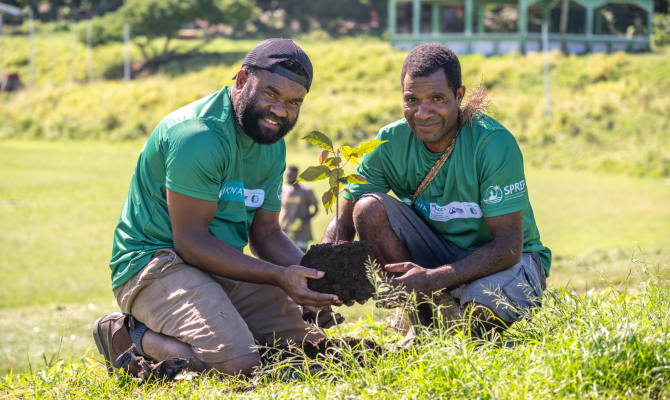
As Pacific Island countries and territories face the interconnected challenges of climate change, biodiversity loss and environmental degradation, a special side event at the 11th Pacific Islands Conference on Nature Conservation highlighted how communities can move from participating in climate adaptation projects to taking ownership of solutions that protect ecosystems, livelihoods and their future.
Organised by the Pacific Ecosystem-based Adaptation to Climate Change (PEBACC+) project, the side event, “The Participation to Ownership Framework,” was held at the Tjibaou Cultural Centre in Nouméa. It brought together practitioners, government representatives, researchers, customary leaders and community representatives from across the Pacific to explore how scientific evidence, local knowledge and community leadership can strengthen climate resilience.
A central focus was the Ecosystem and Socio-Economic Resilience Assessment and Mapping (ESRAM) methodology, which combines ecological and climate data with socio-economic information and local knowledge to identify ecosystem services, understand climate vulnerabilities and support planning for Nature-based Solutions (NbS).
The first session explored how resilience mapping can translate knowledge into practical planning and investment decisions. For communities, the value of ESRAM lies in the information it produces and the knowledge exchange it creates.
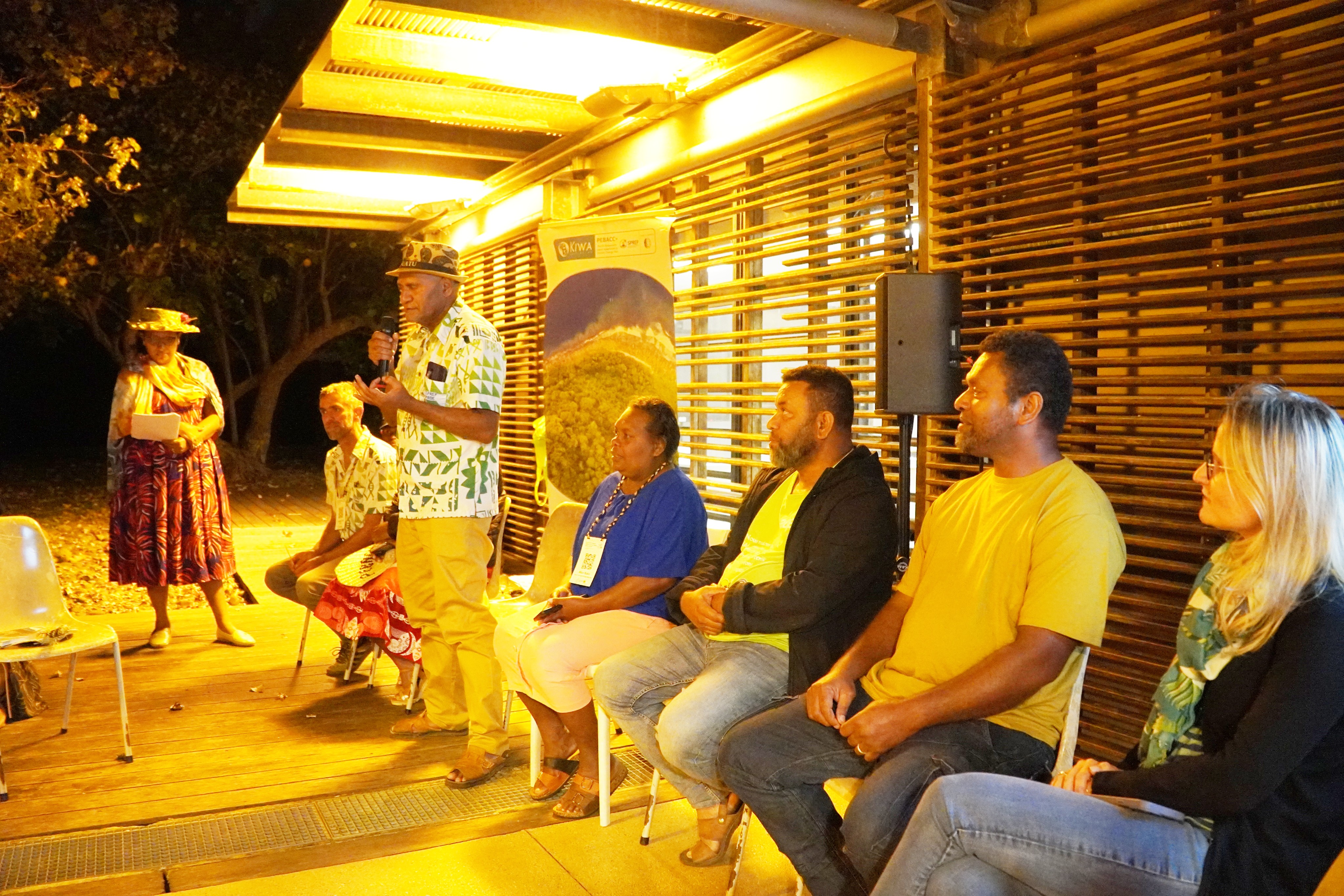
Alick Konamalefo, Malaita Fisheries Officer, Solomon Islands Ministry of Fisheries, said, “In Solomon Islands, the ESRAM brought communities and technical experts together to share knowledge. Communities brought their understanding of their resources, boundaries and important ecosystems, while technical experts brought the science. This exchange broadened their knowledge, created a shared understanding, and inspired communities to take action to protect the ecosystems they depend on.”
The discussion then moved from assessment and planning to experience of putting Ecosystem-based Adaptation (EbA) into practice. Representatives from Fiji, Vanuatu, Solomon Islands, Wallis and Futuna, and New Caledonia shared examples ranging from reforestation and invasive species management to water security, agroforestry and mangrove restoration.
In Kouaoua, New Caledonia, local action is demonstrating why adaptation requires sustained community involvement. Alex Dahi, Climate Officer in the Northern Province, said, “In Kouaoua, invasive deer control has been a critical part of our work, but this requires long-term commitment; we will not see the full results in just one year. We also established participatory water monitoring so communities can assess the effectiveness of these efforts. By combining regenerative hydrology and agroforestry, we are also improving soil productivity and creating new opportunities for cultivation.”
The benefits of adaptation also extend to livelihoods. In Barana, Solomon Islands, financial literacy training helped women strengthen their businesses and diversify their products.
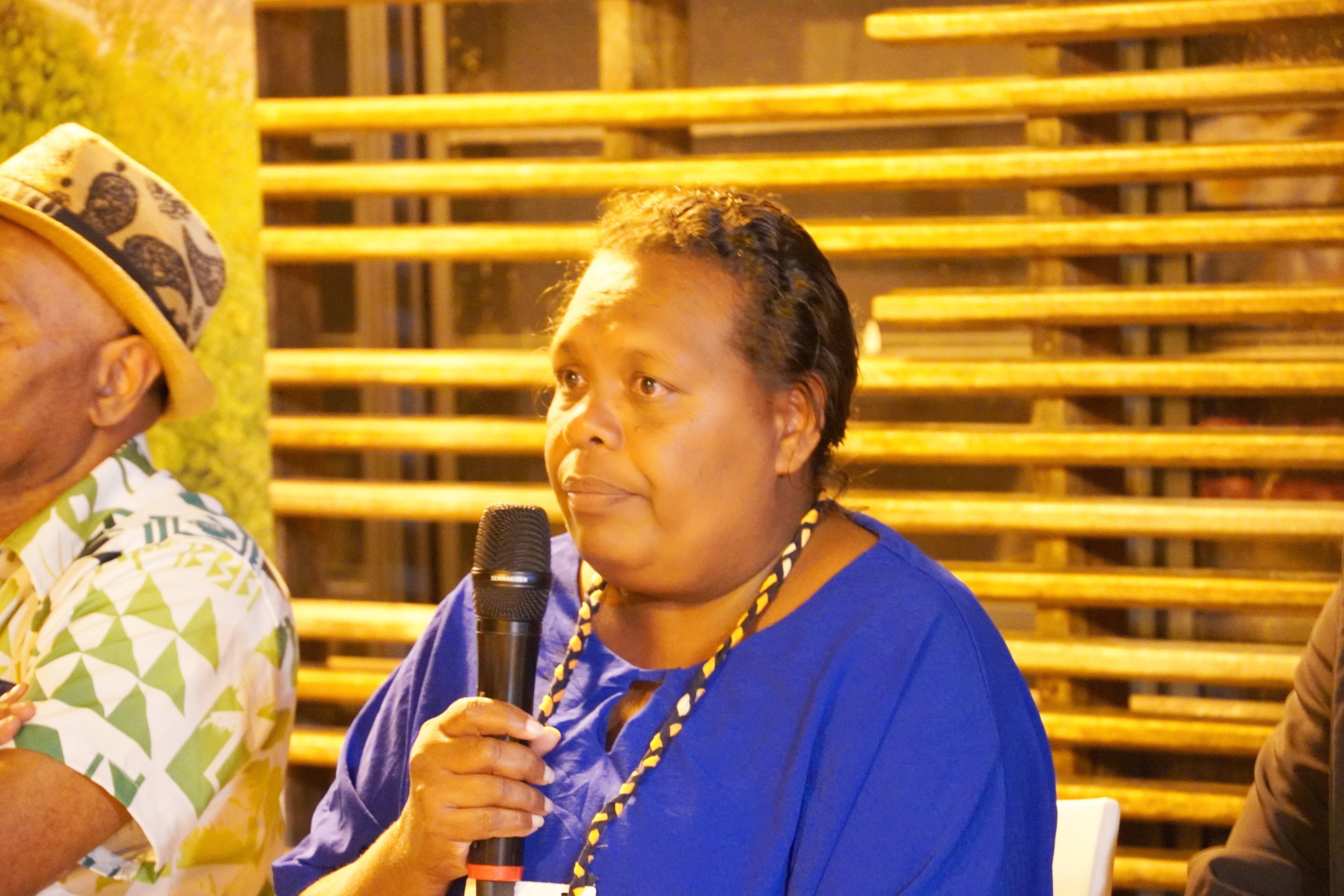
Alice Buko, Chairlady of the Barana Community, said, “Women in Barana faced challenges with budgeting, recording sales, and competing in the market. Through the project, 80 women received financial literacy training, which changed the way they manage their businesses. They now understand basic budgeting and sales recording and are diversifying their products from coconut buns and sewn pillowcases to dyed sarongs. Most importantly, they are sharing what they have learned with other women, creating a cycle of learning within the community.”
The importance of customary leadership was also highlighted. Hugues Vhémavhé, Customary Senator, Southern Province, New Caledonia, said, “For customary authorities, protecting nature means protecting life. Water is life, and we have a responsibility to safeguard our taboo and sacred areas and preserve them for future generations.”
Together, the experiences shared at the event showed that lasting climate resilience depends on more than technical assessments. It requires communities, governments and customary authorities to turn knowledge into action and take ownership of adaptation solutions beyond the life of individual projects.
PEBACC+ is a regional project implemented by SPREP and funded by the Kiwa Initiative through its donors, the European Union, Agence Française de Développement (AFD), Global Affairs Canada, Australian Government Department of Foreign Affairs and Trade (DFAT), and New Zealand Ministry of Foreign Affairs and Trade (MFAT), with co-financing from the French Facility for Global Environment (FFEM).
The 11th Pacific Islands Conference for Nature Conservation and Protected Areas is held from 7 to 11 September 2026 at the Tjibaou Culturel Centre in Noumea New Caledonia. Bringing together over 400 delegates from across the Pacific, the conference is organised by New Caledonia, Secretariat of the Pacific Regional Environment Programme, and the Pacific Islands Roundtable for Nature Conservation with the support of partners.
For more information please visit: https://www.pacificislandsroundtable.com/pacific-nature-conference