

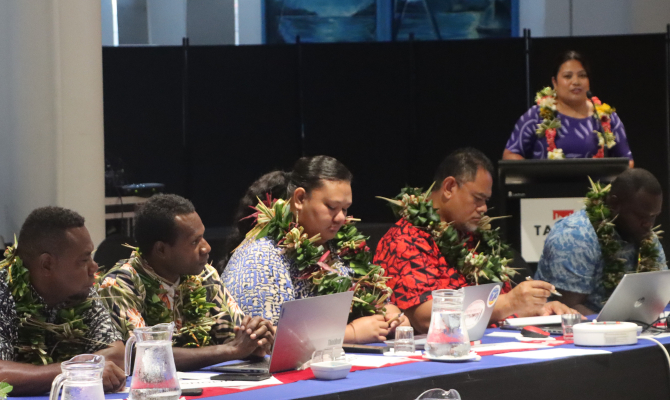
14 September 2026, Apia – The protection and management of sharks is on the agenda as parties to the Convention on International Trade in Endangered Species of Wild Fauna and Flora (CITES) gather in Samoa this week.
The parties are meeting to build regional capacity for regulating international trade in CITES-listed transboundary and migratory species harvested on the high seas, in particular for making Non-Detrimental Findings (NDFs) for shark species.
Under CITES, an NDF is a mandatory legal and scientific prerequisite before a country can issue export permits for species listed in CITES Appendix I or II.
Representatives from Australia, Fiji, New Zealand, Papua New Guinea (PNG), Samoa, Solomon Islands, Tonga and Vanuatu, are joined by the Cook Islands, as an observer, for the Regional CITES post-CoP20 Shark management workshop.
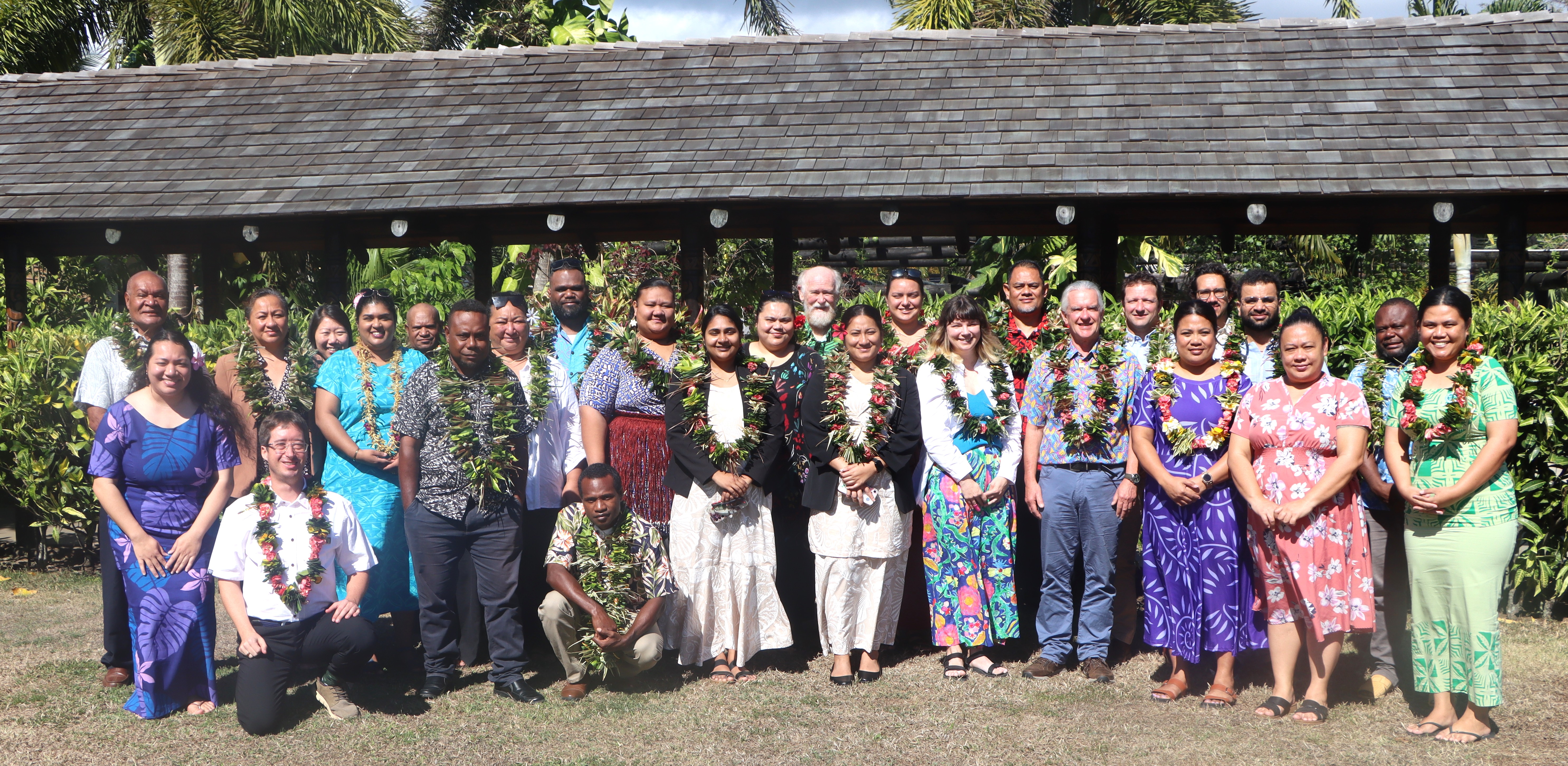
SPREP’s Threatened and Migratory Species Adviser, Ms Turang Teuea, welcomed all the participants to Samoa, and highlighted the significance of the gathering.
“Building capacity and supporting policy coordination in the Pacific region are key cross-cutting missions of SPREP. With all Pacific CITES Parties, plus one non-party attending, this meeting also highlights SPREPs role as convening institution: bringing together experts and decision makers to support science-based biodiversity conservation policies at regional level,” she said.
Held at Hotel Tanoa from 14-17 September, the workshop aims to lay the groundwork to support Pacific parties to CITES and in particular, for making Non Detrimental Findings for shark species carefully tracked, and for CITES-related monitoring and enhance enforcement capacity support.
Ms Teuea said: “This effort adds to many aspects of CITES-related technical and policy support provided by SPREP, including the organisation of successful CITES preCoP meetings in 2019, 2022 and 2025; the financial support for conducting feasibility studies for electronic trade permitting systems; CITES-related compliance support; and support for NDFs for various species.”
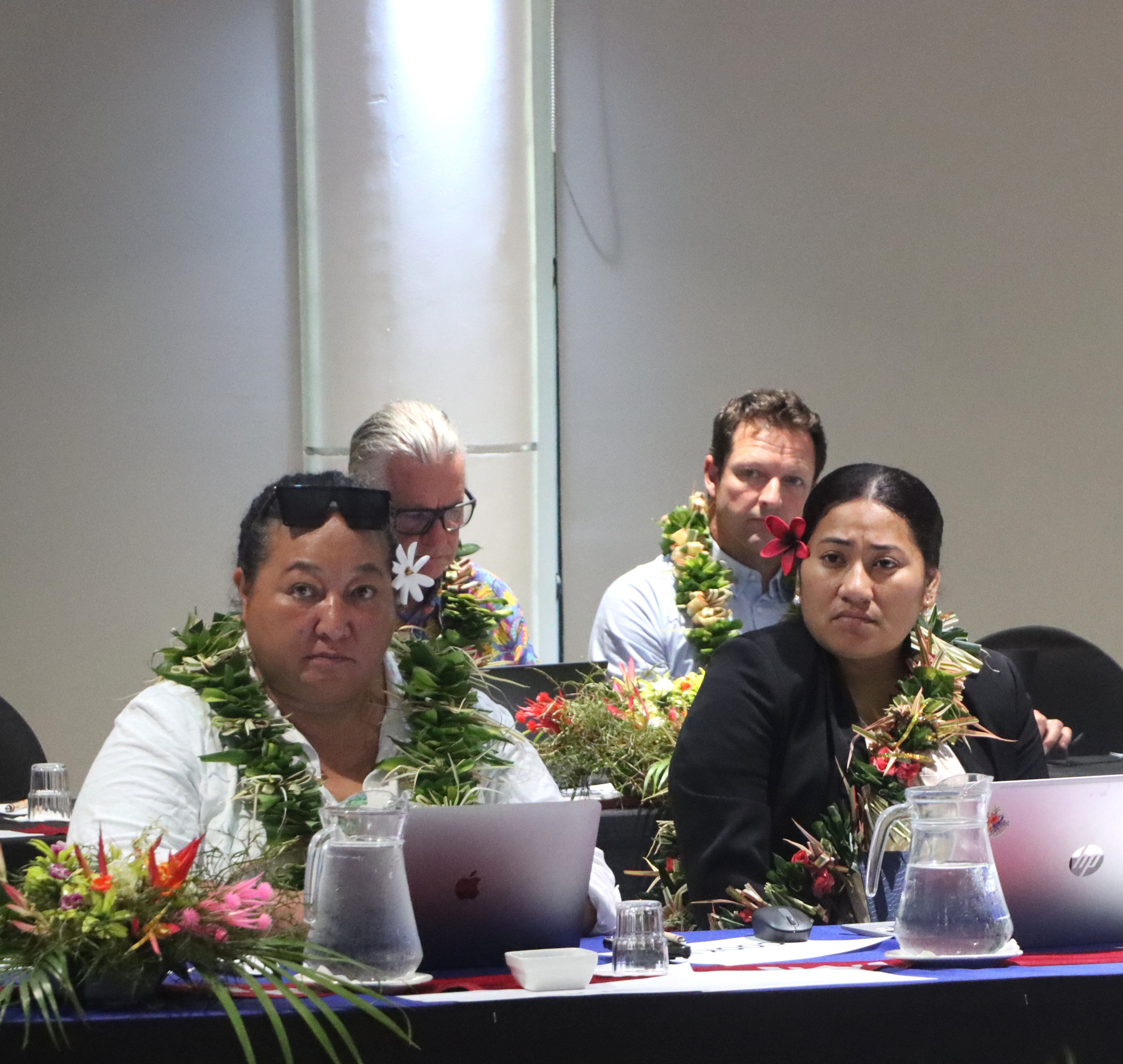
SPREP’s CMS-CITES Pacific Officer, Mr Martin Hitziger, said that one of the key outputs from this week’s workshop is a shared regional understanding and enhanced capacity for making coherent NDFs for transboundary and migratory species.
“We are also looking to build shared regional awareness of requirements, challenges and needs for regulating foreign, chartered and flag of convenience fleets harvesting in EEZs and high seas.”
SPREP acknowledges the financial support of the European Union through the Pacific European Marine Partnership Project (PEUMP Phase II), and the Government of New Zealand, for making the workshop possible.