


18 September 2026, Kunming - The Secretariat of the Pacific Regional Environment Programme (SPREP)remains committed to serve as the technical hub that enables our Pacific island nations to overcome capacity constraints and contribute meaningfully to global biodiversity targets, while addressing our region’s specific challenges.
This commitment was highlighted in Kunming, China, from 7-9 September, where newly established network of Technical and Scientific Cooperation Support Centres (TSCCs) took centre stage at the Kunming Dialogue on collective progress in implementing the Kunming-Montreal Global Biodiversity Framework (KMGBF.
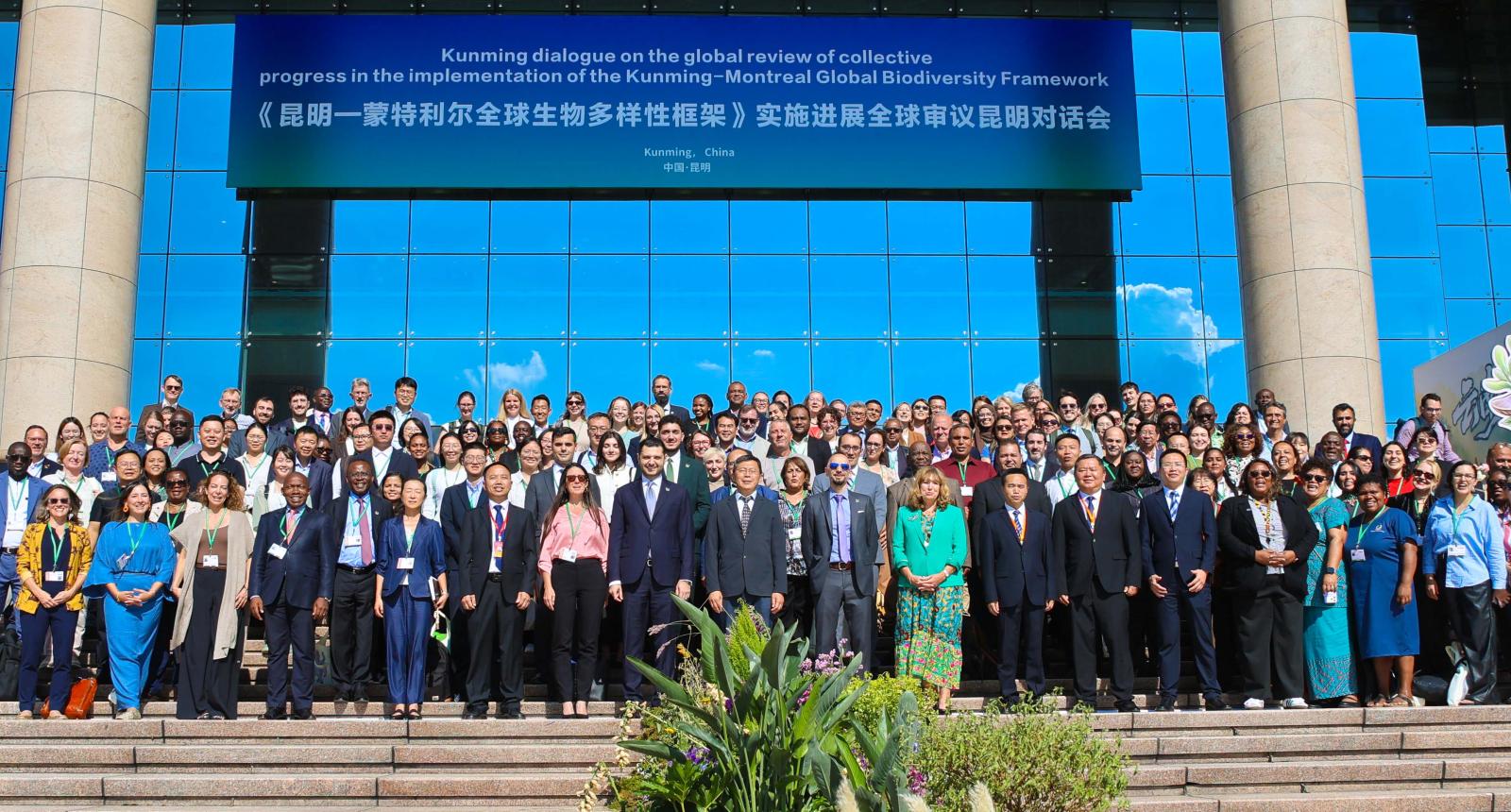
Technical and Scientific Cooperation Support Centres represent the operational arm of the Convention on Biological Diversity’s technical and scientific cooperation mechanism. Selected by CBD Parties in 2024, these 18 centres—including the Secretariat of the Pacific Regional Environment Programme (SPREP) as the Oceania Regional TSCC—have been recognised as key regional hubs to provide essential technical support for implementing the Global Biodiversity Framework across all regions.
Ms Kasaqa Tora, SPREP’s Spatial Analysis Specialist, represented the Pacific, joining17 other TSCC representatives from around the world to participate in critical discussions on accelerating biodiversity action as we reach the midpoint of the 2030 framework.
Each TSCC serves as a “one-stop service centre” for countries, indigenous peoples and local communities, facilitating demand-driven South-South cooperation, knowledge-sharing, data exchange, and technology transfer to support national implementation efforts.
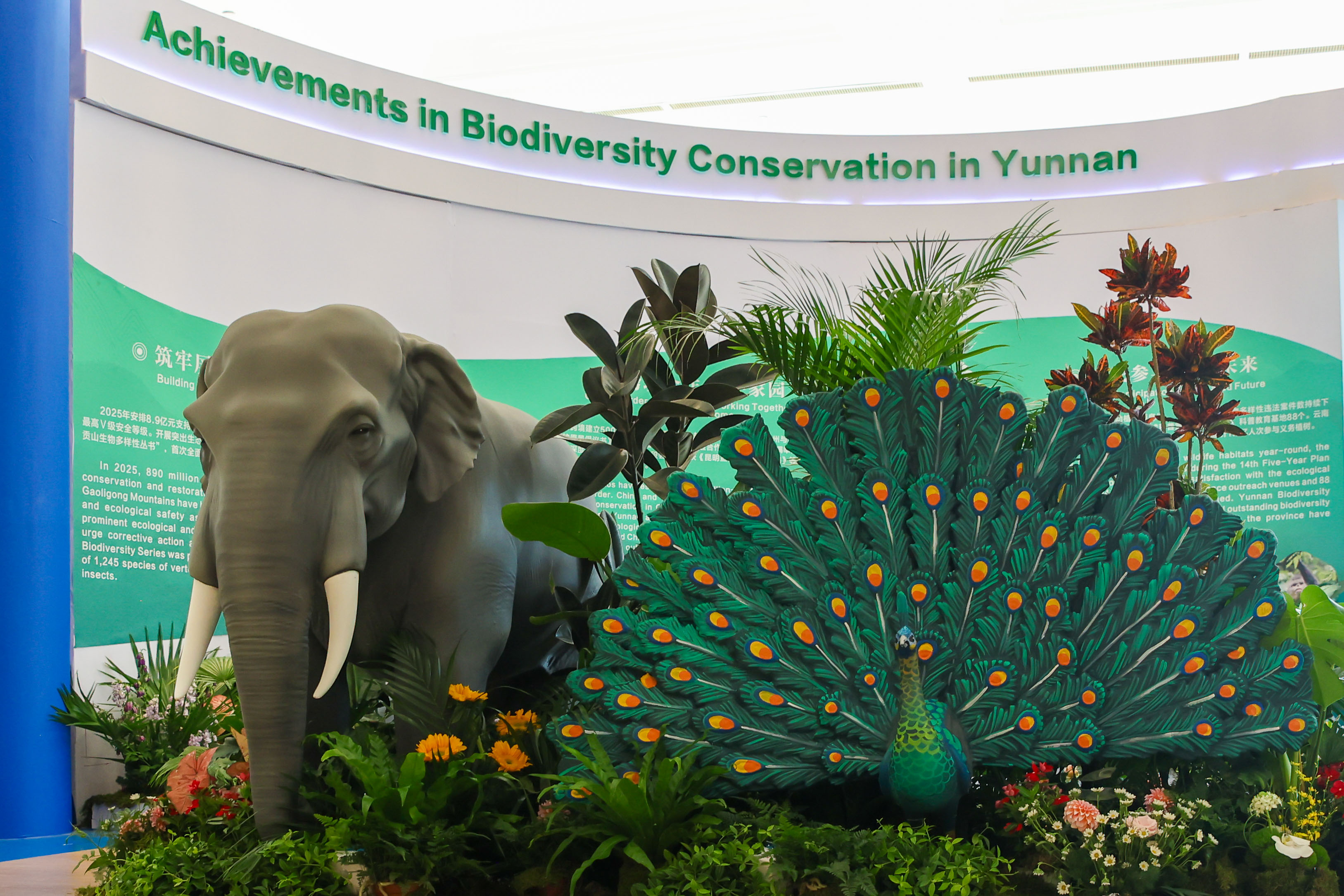
A pivotal moment of the Kunming Dialogue occurred on 8 September, when representatives from the Technical and Scientific Cooperation Support Centres convened for a dedicated networking session. This marked the first time the global TSCC network has gathered since the January 2026 workshop in Montreal, where they collectively developed their inaugural workplans.
TSCC representatives actively contributed to discussions on the five key themes identified in the draft global review report: scope and coverage; action and implementation; means of implementation; data and knowledge; and whole-of-government and whole-of-society approaches.
The discussions highlighted the potential role of TSCCs in capacity-building, technical assistance, and addressing data gaps—challenges that constrain implementation across all regions. Many participants emphasised that TSCCs could play a crucial role in operationalizing headline indicators and increasing collaboration among existing global frameworks.
While the TSCC network has made significant strides in its first year of operation—including developing regional workplans, conducting needs assessments, and beginning to facilitate technical cooperation among countries—representatives were candid about the major challenge facing all centres: inadequate financial resources.
“Our TSCCs are built on proven institutional foundations with decades of experience in regional cooperation,” said Ms Tora.
“However, to become fully operational and deliver on our mandate to bridge capacity gaps across the region, we require resources commensurate with the scale of the challenge. The Pacific faces unique vulnerabilities as small island developing states, where biodiversity loss intersects with climate change impacts and limited technical capacity.”
The discussions underscored that while all 18 TSCCs draw on the expertise and networks of established institutions, enabling them to deliver efficiently, sustainable funding remains critical to accelerating support for national implementation of the GBF. Several participants stressed the need to move from project-based, short-term funding toward long-term funding approaches linked to regional priorities.
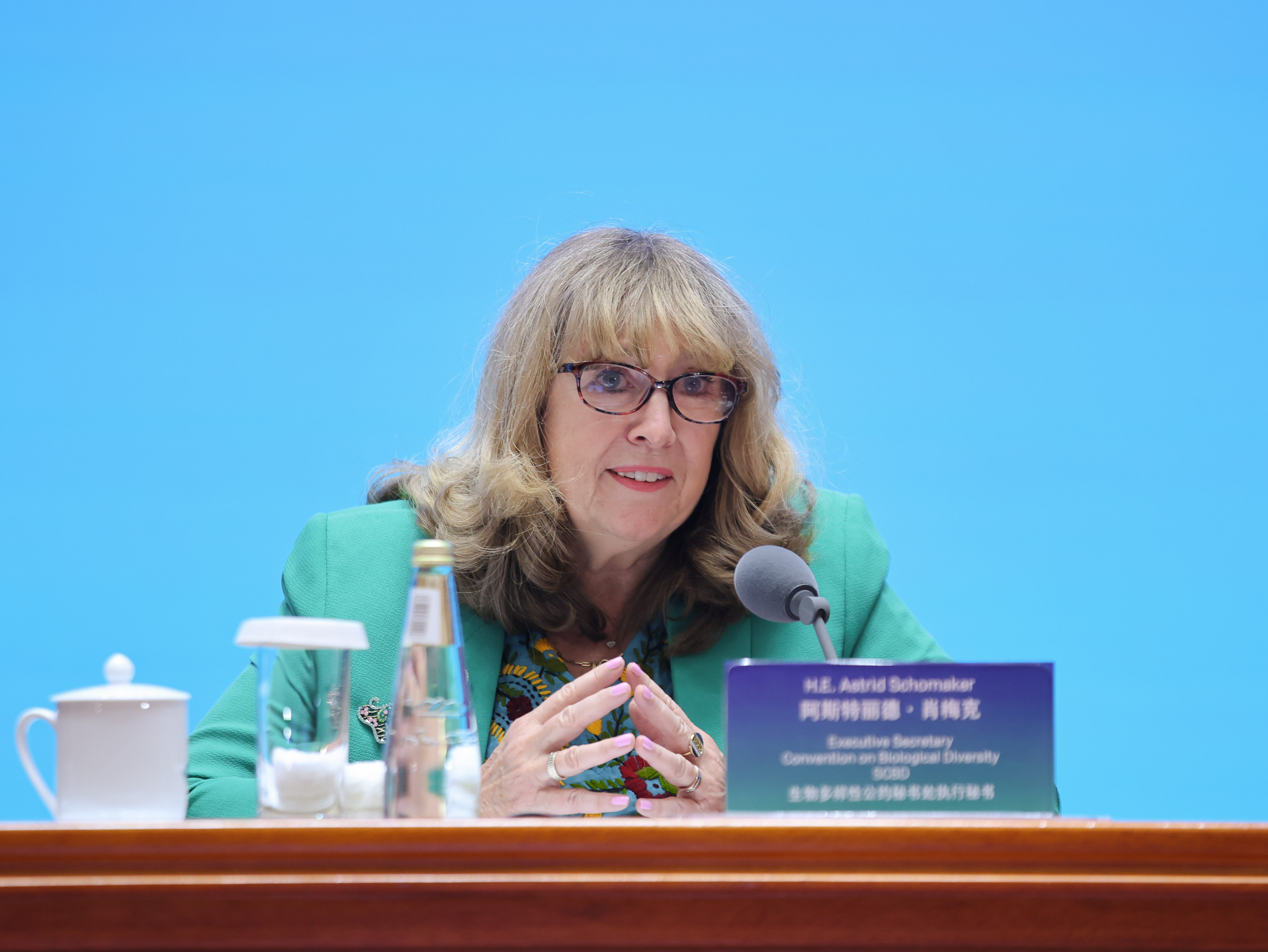
CBD Executive Secretary Astrid Schomaker noted that the outcomes of the Kunming Dialogue will feed into discussions at the upcoming COP 17 in Yerevan, Armenia (19-30 October 2026), where Parties will conduct the first global review of GBF implementation.
The message from Kunming was clear: with only four years remaining until 2030, accelerated implementation requires not just national ambition but also the technical and scientific cooperation that TSCCs are uniquely positioned to facilitate—provided adequate resources are mobilized.
ALL PHOTOS CREDIT: Photo by IISD/ENB | Anastasia Rodopoulou