

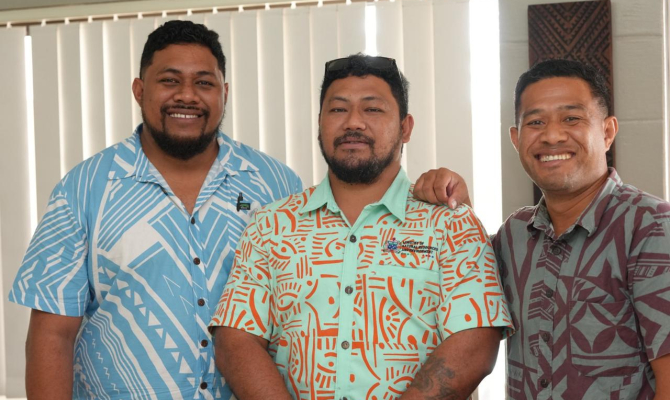
Samoa is closing the gap in its transition to a low-carbon and climate-resilient future, with a proposed user-pay system for the Ministry of Natural Resources and Environment’s (MNRE) Electric Vehicle (EV) Charging Stations.
A Validation Workshop, was held in Apia bringing together the Ministry of Natural Resources and Environment (MNRE), the Secretariat of the Pacific Regional Environment Programme (SPREP), consultants, technical experts and stakeholders to review technical findings and recommendations and consider how Samoa’s EV charging infrastructure can be operated, maintained and sustainably financed in the long term.
Discussions explored technical findings, a business development model and pilot, options for payment system design, and agreement on next steps. This follows on from initial discussions held in May this year.
“When we commenced this work in May, our focus was on finding a sustainable approach to cost recovery, monitoring and the long-term operation of Samoa’s EV charging infrastructure,” said Mr Ueligitone Enosa, Principal Climate Change Mitigation Officer, MNRE.
“The progress presented for validation today takes us another step towards translating that objective into a practical system that can support wider electric vehicle adoption and contribute to Samoa’s renewable energy ambitions.”
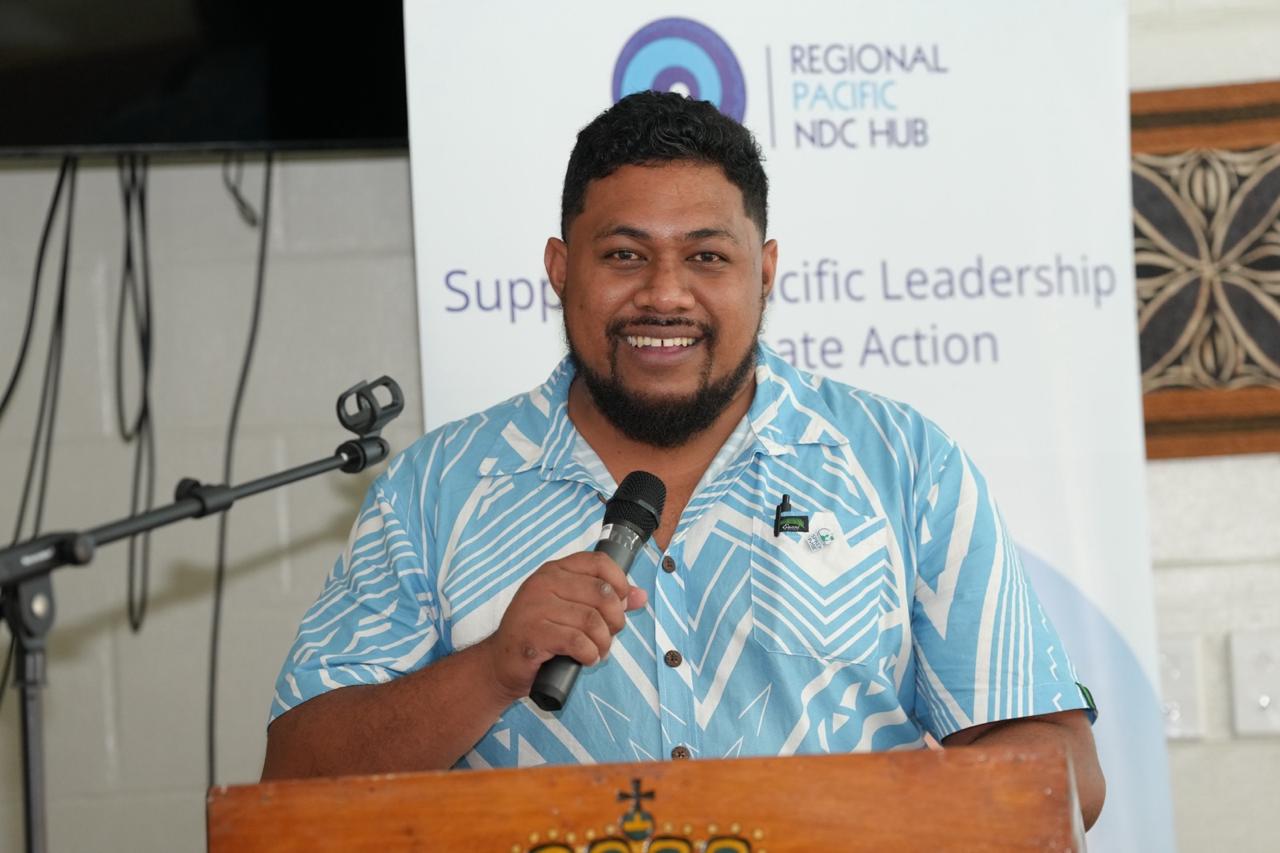
In May this year an inception workshop was held by MNRE with the support of SPREP’s Pacific Nationally Determined Contribution (NDC) Hub Phase 4. It saw the start of the technical assessment and development of a user-pay system for the MNRE EV Charging Station.
This established a common understanding of the project scope, methodology, deliverables and implementation arrangements before technical work began. Four months later, the process has progressed from project inception and technical assessment to the validation of findings and recommendations, including consideration of the proposed business development model, pilot arrangements and payment system design.
For MNRE, the work responds to an important challenge identified at the inception stage. While Samoa has established a solar-powered EV charging station at Friendship Park in Apia, MNRE noted in May that the existing arrangement did not yet provide a sustainable model for cost recovery, monitoring or long-term expansion.
It was then that MNRE emphasised that the initiative was not only about charging electric vehicles, but also about creating a system that could support wider EV adoption, strengthen confidence in clean energy solutions and contribute to Samoa’s renewable energy ambitions.
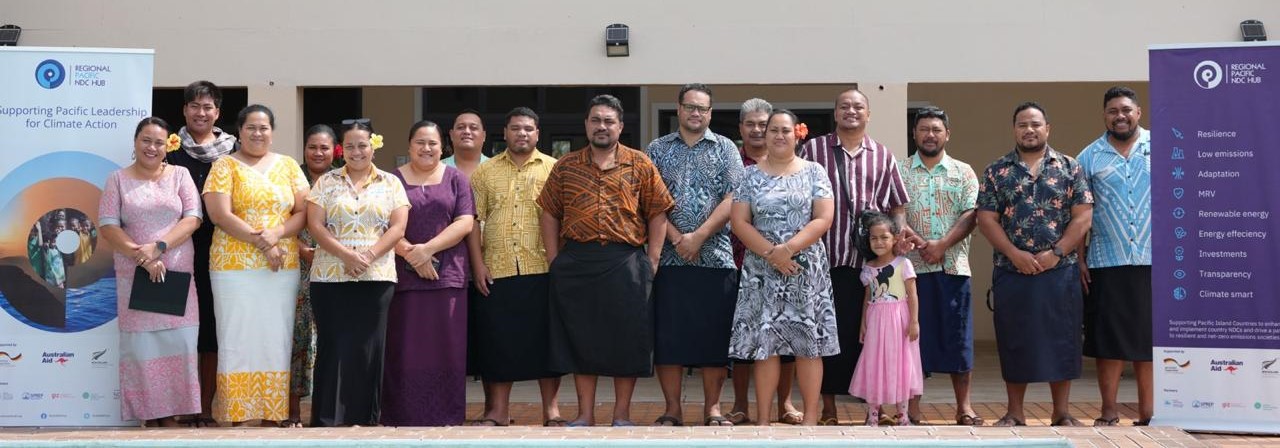
“What we are seeing today is tangible progress from the work we started together in May. At that time, we agreed on the scope, methodology and direction of the assessment,” said Ms Toiata Uili, SPREP Technical Officer, NDC Hub. For SPREP, the validation workshop held in September is an important transition point between assessment and implementation.
“Four months later, we now have technical findings and proposed options before stakeholders for validation. This is an important step in moving from planning and dialogue towards practical solutions that can support Samoa’s low-carbon and climate-resilient transition.”
The validation of this is particularly important because transitioning to electric requires the supporting systems to be in place. These must be practical, reliable, financially sustainable and appropriate for Samoa’s circumstances.
This workshop was held on 24 September through the support of the Pacific Community (SPC), and the Government of Australia through the Department of Climate Change, Energy, the Environment and Water (DCCEEW), as well as the consultants supporting Samoa’s EV charging initiative.