

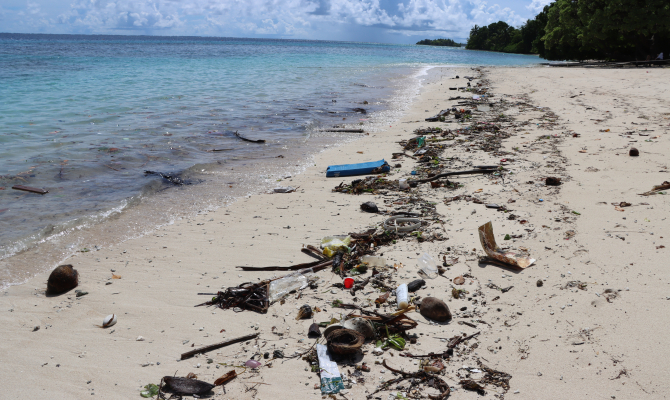
14 October 2026, Nadi, Fiji – In Palau, there was a time when nobody worried about rubbish. A banana peel or a fish bone thrown on the ground simply went back to the earth.
"We're used to waste where we throw it and it disappeared," said Hon. Steven Victor, Palau's Minister of Agriculture, Fisheries and the Environment, at the Addressing the Triple Planetary Crisis through Zero Waste in Big Ocean States panel, a Pre-COP31 side event in Fiji. Then imported goods and plastics arrived. “Plastics do not disappear in the environment. They're causing a lot of health-related issues, from microplastics to chemicals.”
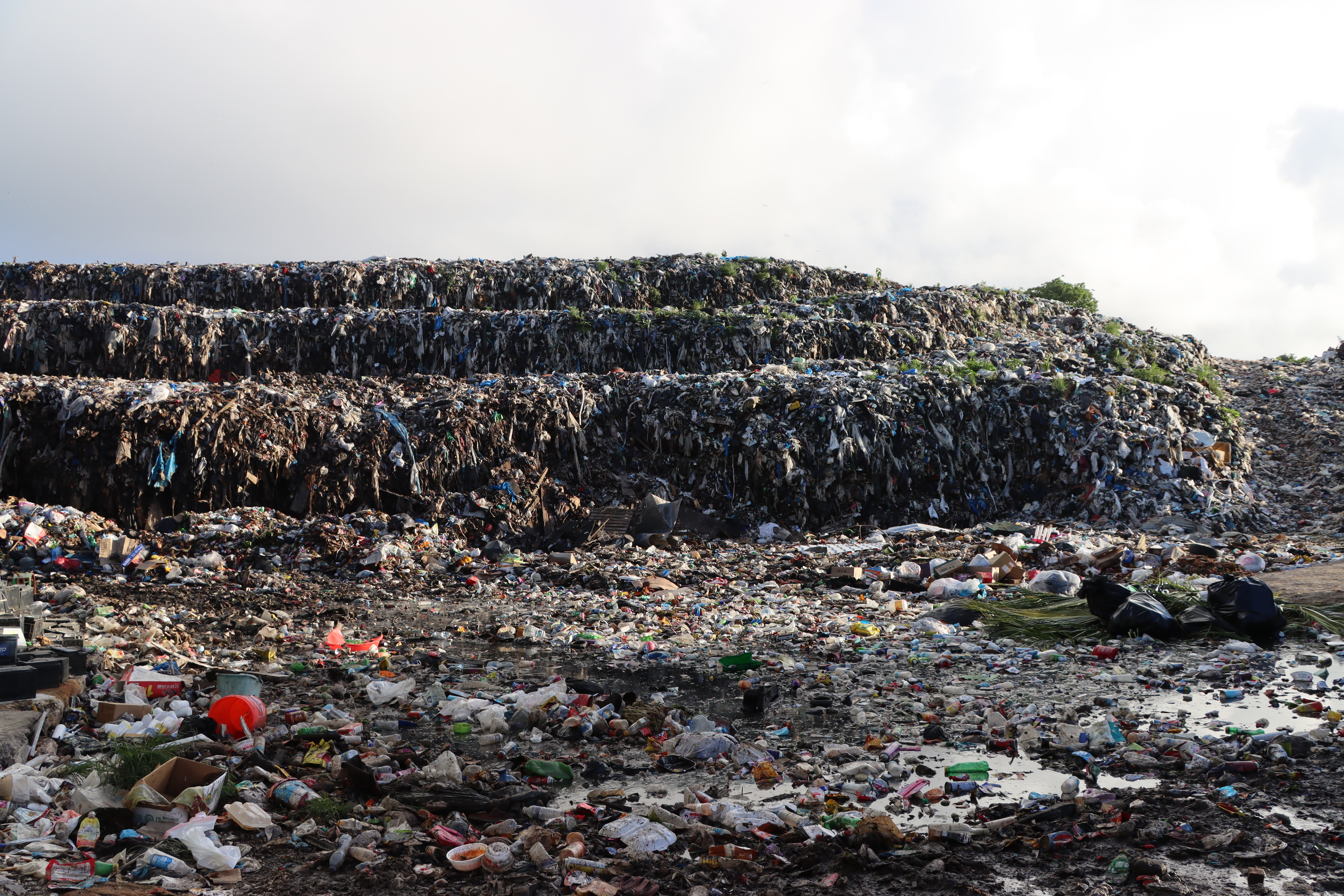
Next month, from November 9-20th world leaders gather in Antalya, Türkiye, for COP31. As host and president, Türkiye has put waste firmly on the agenda. According to Türkiye’s Ministry of Foreign Affairs, the presidency will “prioritize the Zero Waste approach throughout the COP31 process.” Zero waste is one of the presidency's headline themes, alongside climate finance, resilient cities and the energy transition. For the Pacific, it is a rare chance to be heard on an issue it lives with every day.
Mr. Anthony Talouli, SPREP's Director of Waste Management and Pollution Control said the problem is plain to see. "Just look around the streets in Nadi [Fiji]" he said.
According to Mr Talouli, Pacific Islanders generate 62% more waste per person than the global average. He said imported packaging, tourism and disasters drive much of this. Less than half of the waste is collected, the rest is burned, dumped or washed into the sea.
Mr Talouli linked it to dengue, leptospirosis, typhoid and flooding from clogged drains. Waste and pollution also account for around 8 -10% of national greenhouse gas emissions. Speakers noted that reducing waste-related methane is one of the fastest climate actions available to Pacific Island countries.
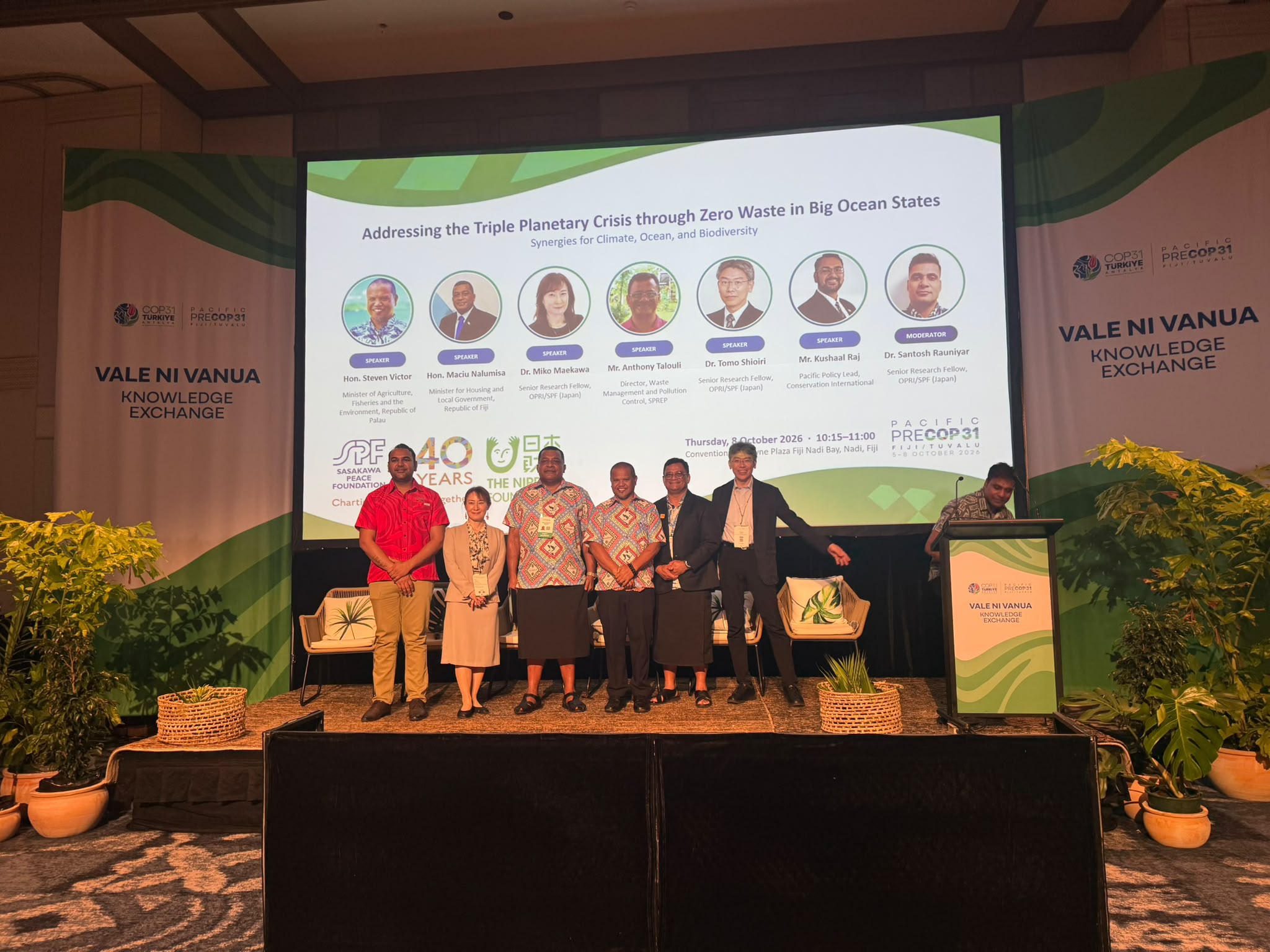
Hosted by Japan's Sasakawa Peace Foundation, the event’s moderator, Dr Santosh Rauniyar, Senior Researcher with the Foundation's Ocean Policy Research Institute, said “Climate change, pollution and biodiversity loss all meet in one place- the dump, the drain and the shoreline. Fix waste and you act on all three at once, with tools island governments already control.”
His figures are concerning. In Solomon Islands, 42% of national emissions come from solid waste disposal. Up to 138,000 tonnes of plastic a year could leak into the ocean from 14 Pacific countries. Yet Palau and Fiji together account for a tiny fraction of global emissions. “The Pacific did not cause this crisis,” said Dr Rauniyar.
Leading the way for the Pacific is Palau. Palau banned single-use plastics in 2017 and has paid a five percent refund on drink containers since 2011. In Koror, the recycling centre turns food scraps into compost, non-recyclable plastic into fuel, and bottles into glass art. “You have to explore what a facility can do to produce multiple products,” said Hon. Victor.
Most of the plastic isn't Palau's anyway. “The plastic that we're trying to turn into something usable, we didn't produce it. It came through the ocean current with somebody else's waste.”
“That is why a global plastics treaty is essential. Managing production is just as critical,” he added.
However, Mr Talouli sees the barrier as money. Small populations, long distances and high shipping costs mean recycling rarely pays. He said “Waste is not economically viable, no business case. So how do we build the case? Two simple things - increase the value of waste, and reduce cost.”
The good news is help is on the way. The Asian Development Bank is developing a Circular Pacific Regional Recycling Network. At the 2026 Pacific Islands Forum leaders' meeting in Palau, the region also agreed to develop a regional Extended Producer Responsibility framework. Under it, producers and importers would share the cost of dealing with their products' waste. The framework is intended to ensure greater responsibility for products throughout their lifecycle and suport a regional circular economy. “It won't be a one size fits all,” said Mr Talouli.
Let’s not forget the communities on the ground to ensure this works. Mr. Kushaal Raj, Conservation International's Pacific Policy Lead highlighted CI’s work with communities and said none of it works without villages on board. In Fiji's Lau Seascape, that means starting with customary leadership including the Bose Vanua. “Communities must be engaged as partners and leaders, not simply beneficiaries,” he said.
He urged islands to learn from one another with care. “Solutions need to be adapted, not copied. The Pacific has a rich history of sharing knowledge across islands and ocean pathways.” The panel also emphasised the importance of traditional knowledge, community leadership and regional coorperation in developing effective waste solutions.
As delegates head to COP31 in Türkiye, Dr Rauniyar has a message they can take forward. “Done right, every tonne of waste pays back four times- in jobs, community, culture and climate.”