

The Pacific islands are uniting with the world as over 190 governments come together to take stock of its actions to achieve the Kunming-Montreal Global Biodiversity Framework (KMGBF) that aims to halt, and reverse, biodiversity loss. The year 2026 provides this decisive moment to take stock of progress in implementing the KMGBF.
For the Pacific Island region our biodiversity, that is all living things including all living organisms, is significant. It’s our biodiversity that underpins our Pacific way of life, traditions and customs, as well as many livelihoods for Pacific people. The accelerating decline of our biodiversity poses a profound risk to our people’s well-being, long-term security, sustainable development and economic stability. Nature constitutes the ecological foundation of our respective economies including food systems, water security, and environment health, amongst a few, that are underpinned by resilient ecosystems.
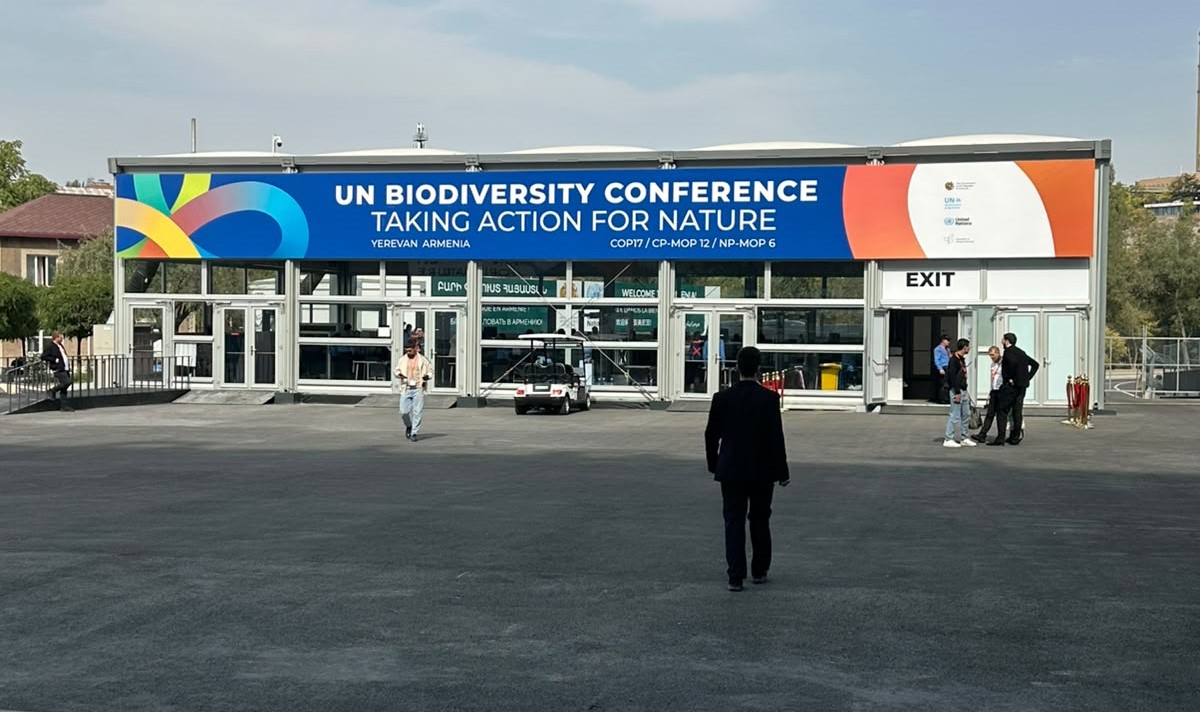
Across a two-week period in Yerevan, Armenia, the Seventeenth Conference of the Parties to the Convention on Biological Diversity will take place of which 14 Pacific Islands are parties to the CBD. The theme for the global biodiversity negotiations this year is “Taking Action for Nature”, known as COP17, it runs from 19 to 30 October.
“This is our opportunity to negotiate a way forward that reflects our Pacific Island priority and concerns in the agreed global pathway ahead,” said Mr Amena Yauvoli, Director of Biodiversity Conservation at the Secretariat of the Pacific Regional Environment Programme (SPREP).
“We’re uniting here as one Pacific voice, so we are heard clearly as we call for more action globally to address the Triple Planetary Crisis of biodiversity loss, climate change and pollution. We’ve shown leadership with the Môo Mâ Awé Declaration, that confirms our Pacific commitment to Nature Conservation and Protected Areas. Playing our part, we’re keen to see that others are too.”
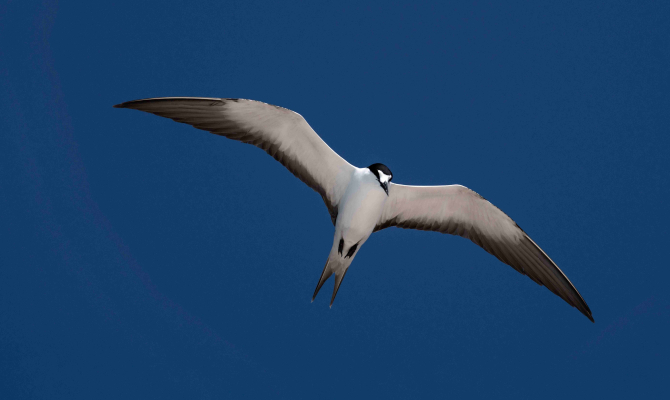
The Pacific Islands region is home to over 70% of the world’s tuna stocks feeding millions of people globally, it is also rich in biodiversity with New Caledonia as a globally biodiversity hotspot with approximately 74% of its flora being endemic and Solomon Islands is home to rich coral reef diversity with over 1,000 reef fish species.
The fight to reverse, and halt, biodiversity loss in the Pacific Islands is ingrained in our Pacific culture, history and identity.
The Micronesia Challenge, a commitment by the Federated States of Micronesia, Palau, Republic of Marshall Islands, Guam and Commonwealth of the Northern Marianas Islands to conserve 30% of near shore marine resources and 20% of its terrestrial resources was established in 2006. It celebrates 20 years of conservation spanning an area of over 2.5 million square miles, this year.
While this is at the regional level, there are also actions taking place at the national level.
The Cook Islands has an Other-Effective area-based Conservation Measure (OECM) 155 hectares of a locally owned Conservation Area, the very first for our Pacific islands region.
“This is a very important meeting, not only for the world but also for the Pacific and the Cook Islands. It is an opportunity for us to strengthen our collective commitment and work together to halt and reverse biodiversity loss,” said Ms Elizabeth Munro of the Cook Islands delegation.
“For the Cook Islands our biodiversity is who we are as a nation, it is the foundation of our culture and our livelihoods. Protecting our bond is more than just an environment responsibility it is the responsibility to our people our ancestors and future generations."
COP17 brings together Parties to the CBD as well as indigenous peoples, local communities, civil society, scientists, youth, businesses and other stakeholders to advance global action for biodiversity. It’s the very first meeting since the Global Biodiversity Framework was adopted in 2022. It’s the opportunity to assess collective progress, strengthen cooperation and accelerate action towards the biodiversity goals for 2030.
“We have a very crucial two weeks ahead,” said Mr Yauvoli.
“Our Pacific Islands region can demonstrate its progress. We look forward to hearing what the world has done to meet the GBF.”
The Seventeenth Conference of the Parties to the Convention on Biological Diversity (CBD COP17) is held in Yerevan, Armenia from 19 to 30 October 2026. The Cook Islands, Federated States of Micronesia, Fiji, Kiribati, Marshall Islands, Nauru, Niue, Palau, Papua New Guinea, Samoa, Solomon Islands, Tonga, Tuvalu, and Vanuatu are Pacific Island Parties to the CBD. For more information please visit: https://www.cop17yerevangreenzone.com/about-cop17
Lead image: (c) Nicolas Job- PNMC