

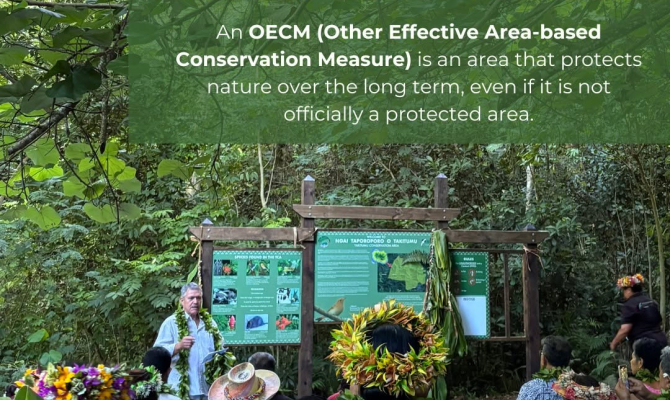
The first in the Pacific Islands region to launch an Other Effective area-based Conservation Measure (OECM) on its journey to achieve the Kunming-Montreal Global Biodiversity Framework, the Cook Islands shared its experience during a special event at the CBD COP17.
The Nature First Pacific event held on the margins of the Seventeenth Conference of the Parties to the Convention on Biological Diversity amplified Pacific-led solutions to halting, and reversing, biodiversity loss.
An OECM is a geographically defined space outside of a formal protected area that is governed and managed in a way that delivers positive, long-term outcomes for biodiversity conservation.
The Takitumu Conservation Area (TCA), approximately 155 hectares of forested land in the upper valleys of Turoa, Totokoitu, and Avana on the island of Rarotonga is Collectively owned and managed by three traditional landowning tribes (or Ngati): Ngāti Kainuku, Ngāti Karika, and Ngāti Manavaroa.
TCA was stablished as a sanctuary in 1996 with its primary mission to protect and recover the endangered, endemic kākerōri, the Rarotonga flycatcher (Pomarea dimidiata). A known conservation success story the kākerōri population has since grown from just 29 birds in 1989 to approximately 650 in the Cook Islands.
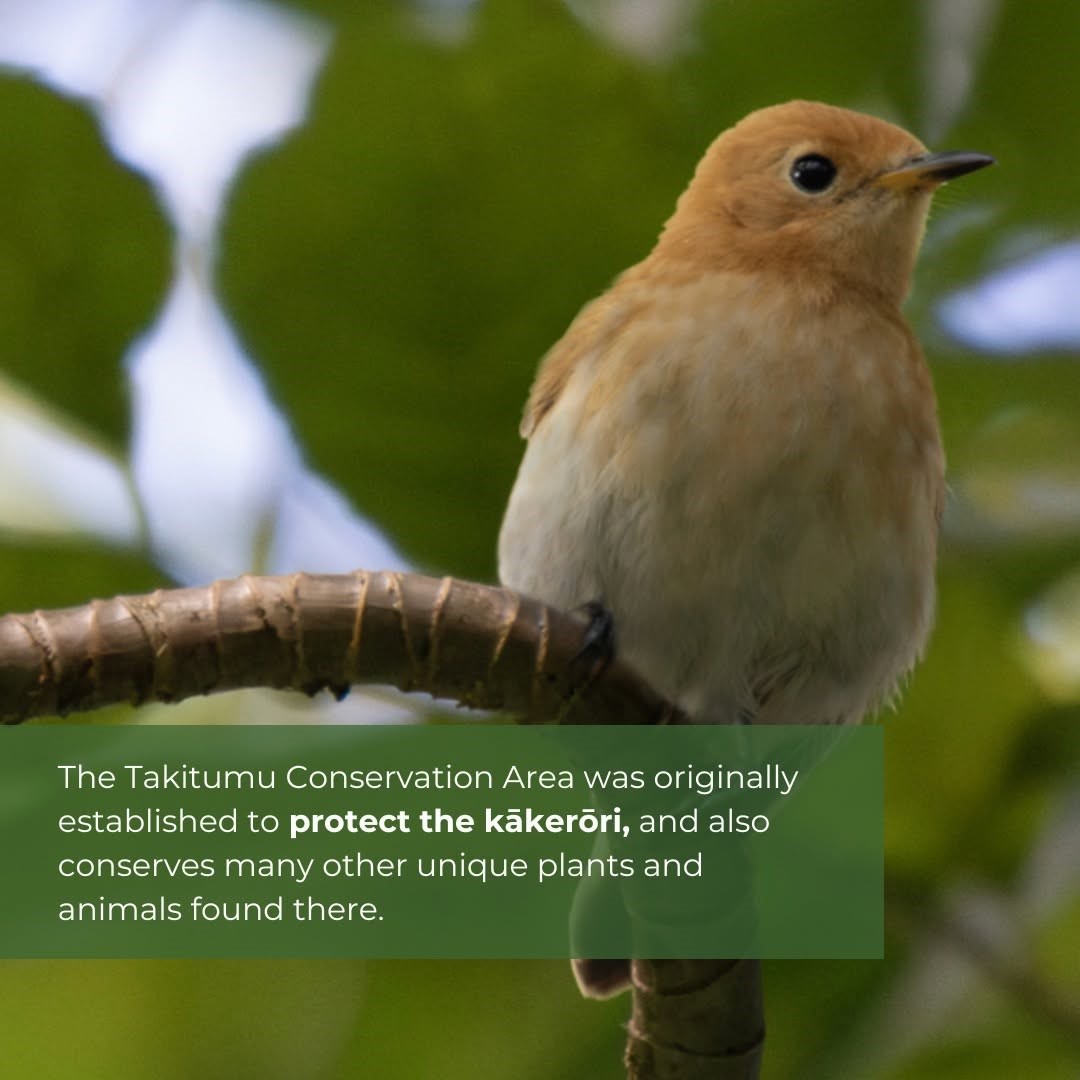
“On 22 May 2024, International Day for Biological Diversity, Ngāi Taporoporo o Takitumu, also known as the Takitumu Conservation Area, was recognised as the Cook Islands’ first OECM and the first designated OECM in the Pacific islands region,” said Ms Elizabeth Munro of the Cook Islands.
“In undertaking this work we learnt that OECMs must be grounded in the rights, knowledge and consent of the people who govern and care for the land and sea. We also learnt that countries do not necessarily need to create entirely new conservation arrangements. Existing community-led initiatives and management systems may already be delivering meaningful biodiversity outcomes and could be assessed against the OECM criteria.”
In January 2023, the Cook Islands National Environment Service, with support from the Secretariat of the Pacific Regional Environment Programme (SPREP), the (UNEP-WCMC) and IUCN Oceania, convened the first OECM workshop in both the Cook Islands and the region.
The workshop brought together government agencies, conservation practitioners, community representatives and other stakeholders to understand the OECM concept, consider its benefits and challenges, and identify potential sites for assessment. It was through this national process that the Takitumu Conservation Area on Rarotonga was identified as the first candidate site.
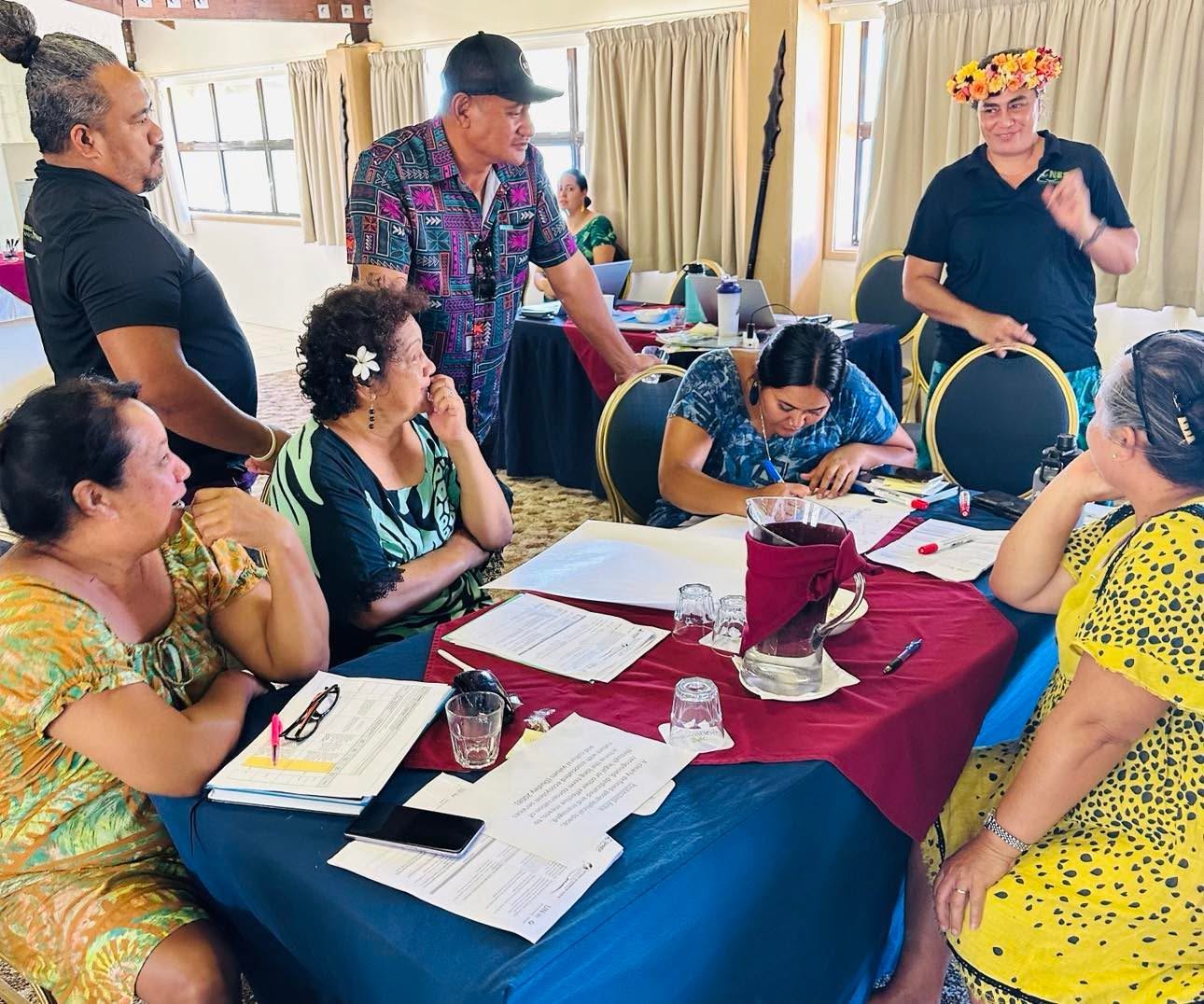
Applying a partnership approach, NES worked with the Takitumu Conservation Area committee and the three landowning groups: Ngāti Kainuku, Ngāti Karika and Ngāti Manavaroa. When assessing the site it drew on the existing Takitumu Conservation Area Management Plan 2020–2030 and examined whether the area met the criteria for OECM recognition. Community workshops and working-group meetings enabled landowners to review the information, contribute their knowledge and confirm the assessment.
“Importantly, free, prior and informed consent was central to the process. The landowning groups were given the opportunity to consider the assessment, provide feedback and formally consent to the submission,” presented Ms Munro.
“For the Cook Islands, conservation is not just about government-declared protected areas. It is also about recognising the places that our people have protected and cared for over generations, and ensuring these efforts are acknowledged and sustained for future generations.”
OECMs provide an opportunity to recognise conservation efforts that may not fit within traditional protected-area arrangements, while ensuring that biodiversity conservation remains effective over the long term.
Undertaking the process to achieve an OECM in the Cook Islands helped recognise and strengthen the important role of Cook Islands communities, traditional leaders and landowners in conserving biodiversity.
“Achieving our OECM was a significant milestone, not only for the Cook Islands, but for conservation across the wider Pacific. It demonstrated that a locally driven, culturally grounded conservation initiative could achieve international recognition while respecting the rights and leadership of its landowners,” shared Ms Munro during the Nature First Pacific event.
“We learnt this recognition must be supported by evidence of effective, long-term conservation. It is not simply about counting hectares towards the 30-by-30 target; it is about demonstrating real conservation outcomes and maintaining them over time.”
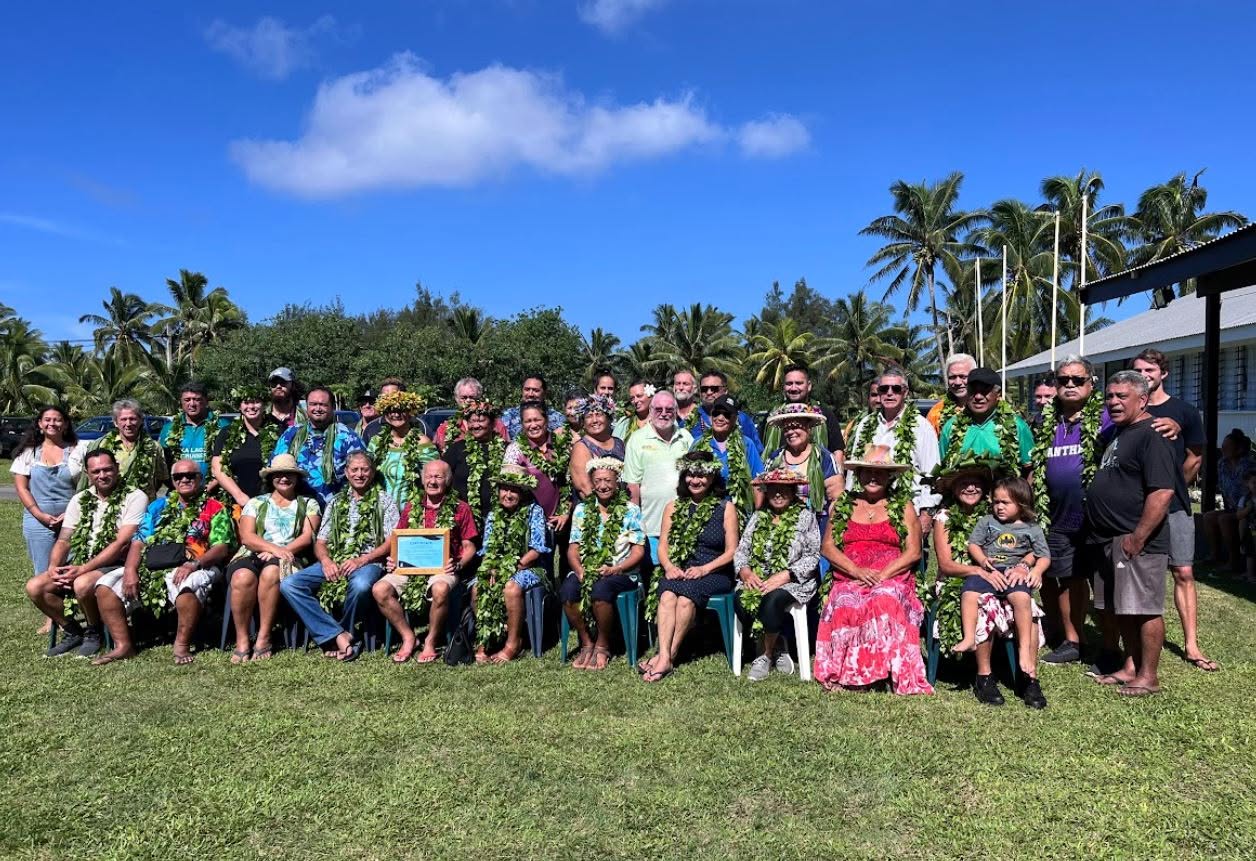
A key highlight for the Cook Islands on its journey to achieving the OECM was the documenting and recording of a traditional chant that highlights the different species found in the site. It was also able to confirm, using Geographic Information System (GIS), the boundary of the TCA which was submitted to the Ministry of Justice for recording.
“Our experience with Takitumu reminds us that conservation leadership does not come from government alone,” said Ms Munro as she shared her experience during the special event.
“It also comes from communities and traditional landowners who have protected their natural heritage for generations.”
Ms Munro was one of four presentations showcasing Pacific-led solutions to halting and reversing biodiversity loss during the special event. Also featured was the Solomon Islands Cook Islands sharing their Ecosystem-based Adaptation work, Kiribati on their biodiversity policy work, and SPREP on the Môo Mâ Awé Declaration: Pacific Commitments to Nature Conservation and Protected Areas (2026–2030).
The Nature First Pacific side event was held on Monday 19 October, at the CBD COP17 in Yerevan, Armenia. CBD COP17 is taking place from 19 to 30 October 2026. The Cook Islands, Federated States of Micronesia, Fiji, Kiribati, Marshall Islands, Nauru, Niue, Palau, Papua New Guinea, Samoa, Solomon Islands, Tonga, Tuvalu, and Vanuatu are Pacific Island Parties to the CBD. For more information please visit: https://www.cop17yerevangreenzone.com/about-cop17
Images courtesy of Cook Islands National Environment Service