

The role science plays as the world strives to reverse and halt the global loss of biodiversity is central.
Working regionally to meet the global targets for the Convention on Biological Diversity, the Secretariat of the Pacific Regional Environment Programme (SPREP) together with its Members and partners work through the Technical and Scientific Cooperation Mechanism to achieve Target 20 of the Kunming-Montreal Global Biodiversity Framework (KMGBF).
In September 2026, the State Of Environment and Conservation in the Pacific Islands 2025 Regional Report Second Edition was released. The assessment was aligned to the Kunming Montreal Global Biodiversity Framework, the 2050 Strategy for the Blue Pacific Continent, and the current regional framework for Nature Conservation. It exists so Pacific decisions can rest on evidence.
“What is measured, can be managed. We cannot deny the crucial role science plays – it drives informed decision making when it comes to conserving our biodiversity,” said Ambassador Amena Yauvoli, Director of Biodiversity Conservation of SPREP.
“Understanding the significance of this, SPREP is one of 15 Regional Technical and Scientific Cooperation Centres to help bridge gaps in sharing of knowledge and approaches as we all work together to reverse and halt the loss of global biodiversity.”
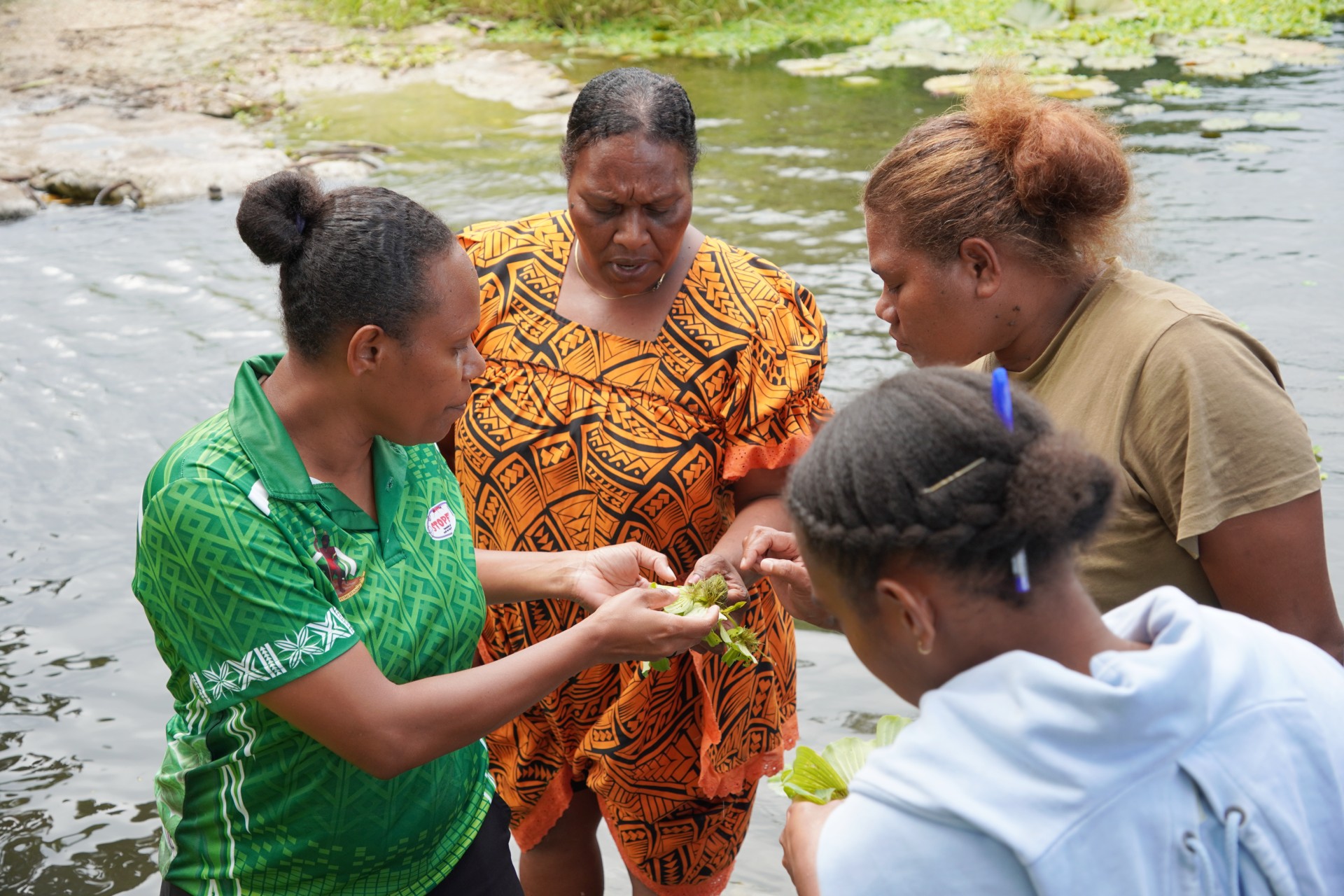
Science actively protects and restores global biodiversity through targeted research, technology, and behavioural strategies. This was further recognised through Target 20 of the GBF which strengthens capacity-building, technology transfer, and scientific and technical cooperation for biodiversity,
To help progress this a Technical and Scientific Cooperation Mechanism was formed under the CBD consisting of a network of regional and sub-regional support centres to be coordinated by a global entity for which SPREP is one for the Asia Pacific, given its mandate across the Pacific.
“Being part of this global network was a smooth transition as this is work our organisation is already undertaking with our Members, we are now able to work with other centres across the world to learn from each other,” said Ambassador Yauvoli.
“The launch of the SOEC Second Edition is just one example of our range of work which is in line with the role of an RTSC. All we do, meet the goals of the RTSC”
This week in Yerevan, Armenia the Pacific Islands is coming together with over 180 governments for the 17th Conference of the Parties to the UN Convention on Biological Diversity.
Assessing progress of Target 20 of the GBF since it was endorsed in 2022 and negotiating a pathway forward for acceleration SPREP and the Pacific Members have also engaged in special events and sessions to strengthen its role as a Regional Technical Scientific Cooperation Centre.
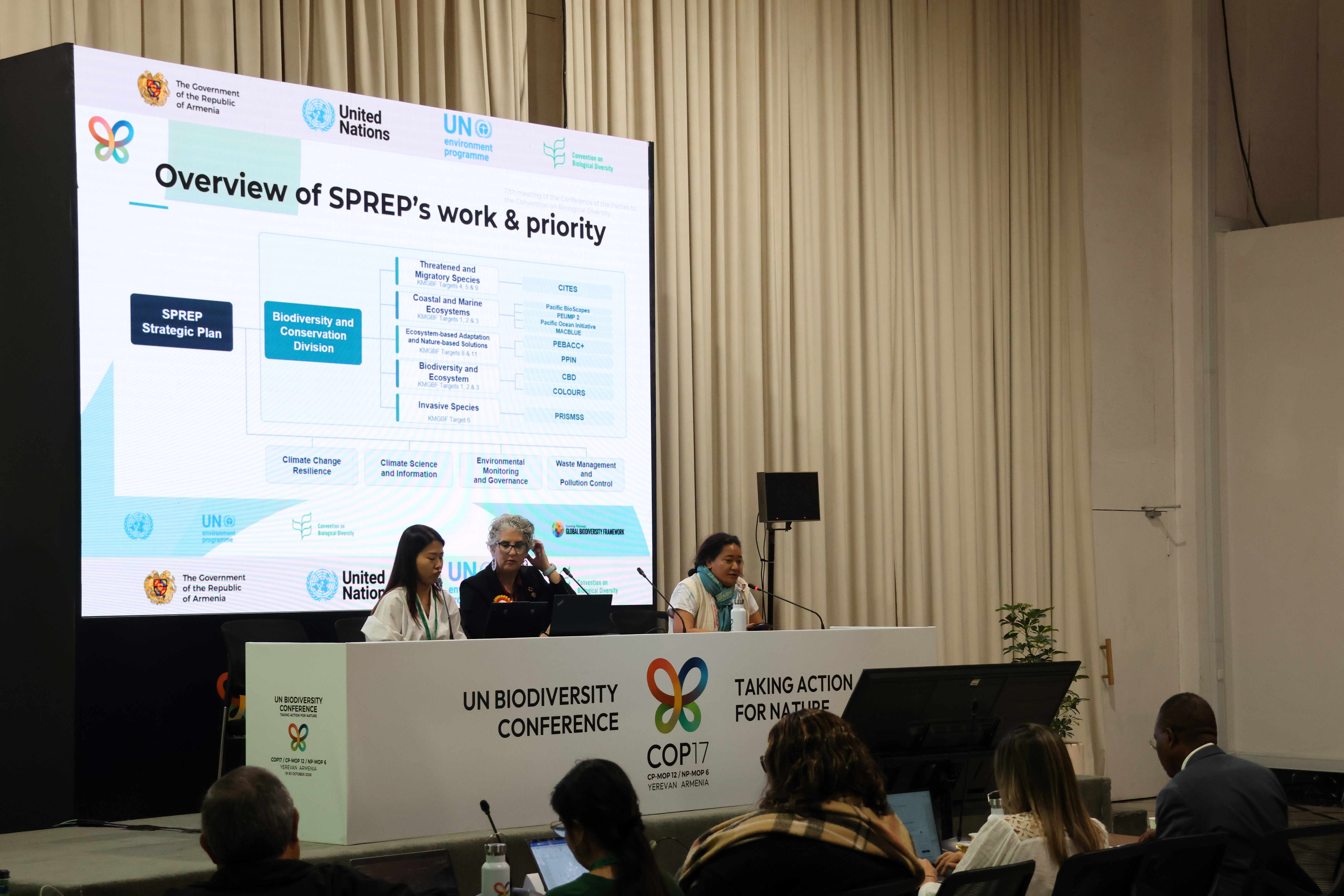
“We see many opportunities for cooperation going forward as an RTSCC. We can match our Pacific needs with the right expertise in connecting country requests with technical partners and practical solutions to implement and mainstream Pacific-centred nature conservation,” said Ms Monifa Fiu, the Biodiversity and Ecosystems Adviser of SPREP.
“We can also work towards strengthening access to finance, scale Pacific-led solutions and regional collective priorities by 2030 and support implementation and reporting. We look forward to working with our fellow centres to support the achievement of Target 20.”
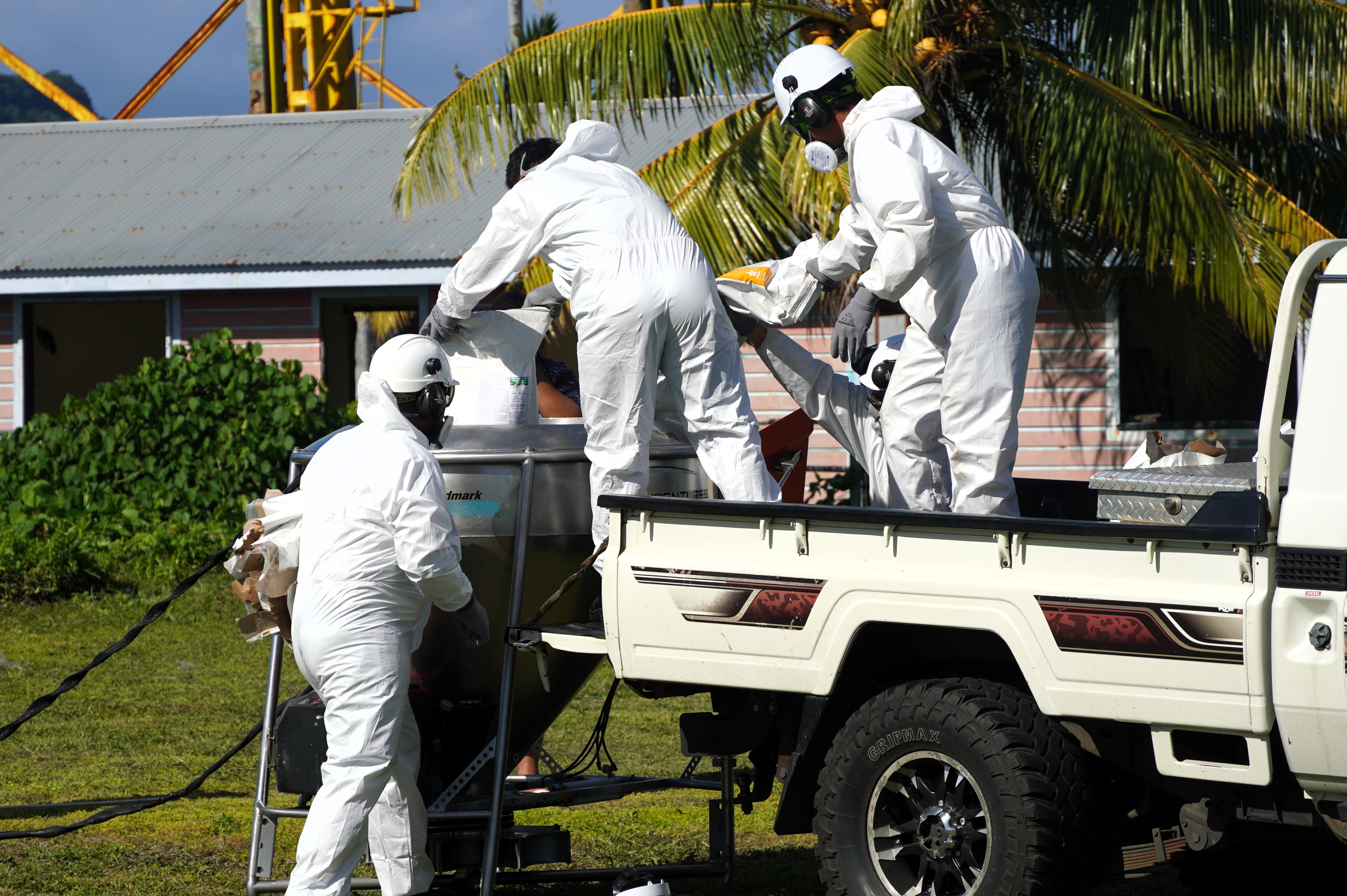
The 15 RTSC Centres are based in Africa, Americas, Asia and Pacific, and Europe and Central Asia.
Their roles are to:
- enhance local, national, subregional, regional and international capacities in relation to science, technology and innovation by means of human resource and institutional capacity building and development.
- enable technology assessment and monitoring of appropriate technologies
- promote and facilitate the development, transfer and use of appropriate technologies, including indigenous and traditional technologies subject to free, prior and informed consent, according to national legislation
- promote and encourage joint research, cooperation and collaboration in the use of scientific advances and good practices in research
- promote the development, implementation and scaling-up of innovative solutions and
- facilitate access to and exchange of relevant technical and scientific data, information and knowledge.
The Seventeenth Conference of the Parties to the Convention on Biological Diversity (CBD COP17) is held in Yerevan, Armenia from 19 to 30 October 2026.
The Cook Islands, Federated States of Micronesia, Fiji, Kiribati, Marshall Islands, Nauru, Niue, Palau, Papua New Guinea, Samoa, Solomon Islands, Tonga, Tuvalu, and Vanuatu are Pacific Island Parties to the CBD. For more information on the Technical and Scientific Cooperation Mechanism under the CBD please visit: https://www.cbd.int/tsc/tscm
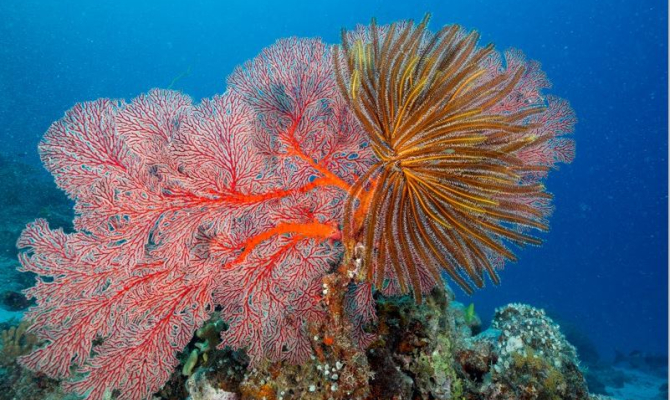
Lead image: Parc Naturel de la Mer de Corail - Fou à pieds rouges (c)Tristan Berr IRD- PNMC.