

28 October 2026, Suva, Fiji – Ten Pacific Island countries are gathering in Suva this week for a three-day consultation to review and validate the design of the Pacific Environmental Data (PED) project.
Taking place from Monday 26 October until Wednesday 28 October 2026, the meeting marks an important stage in designing a regional initiative aimed at continuing to strengthen the management, access and use of environmental data to inform policy and decision-making.
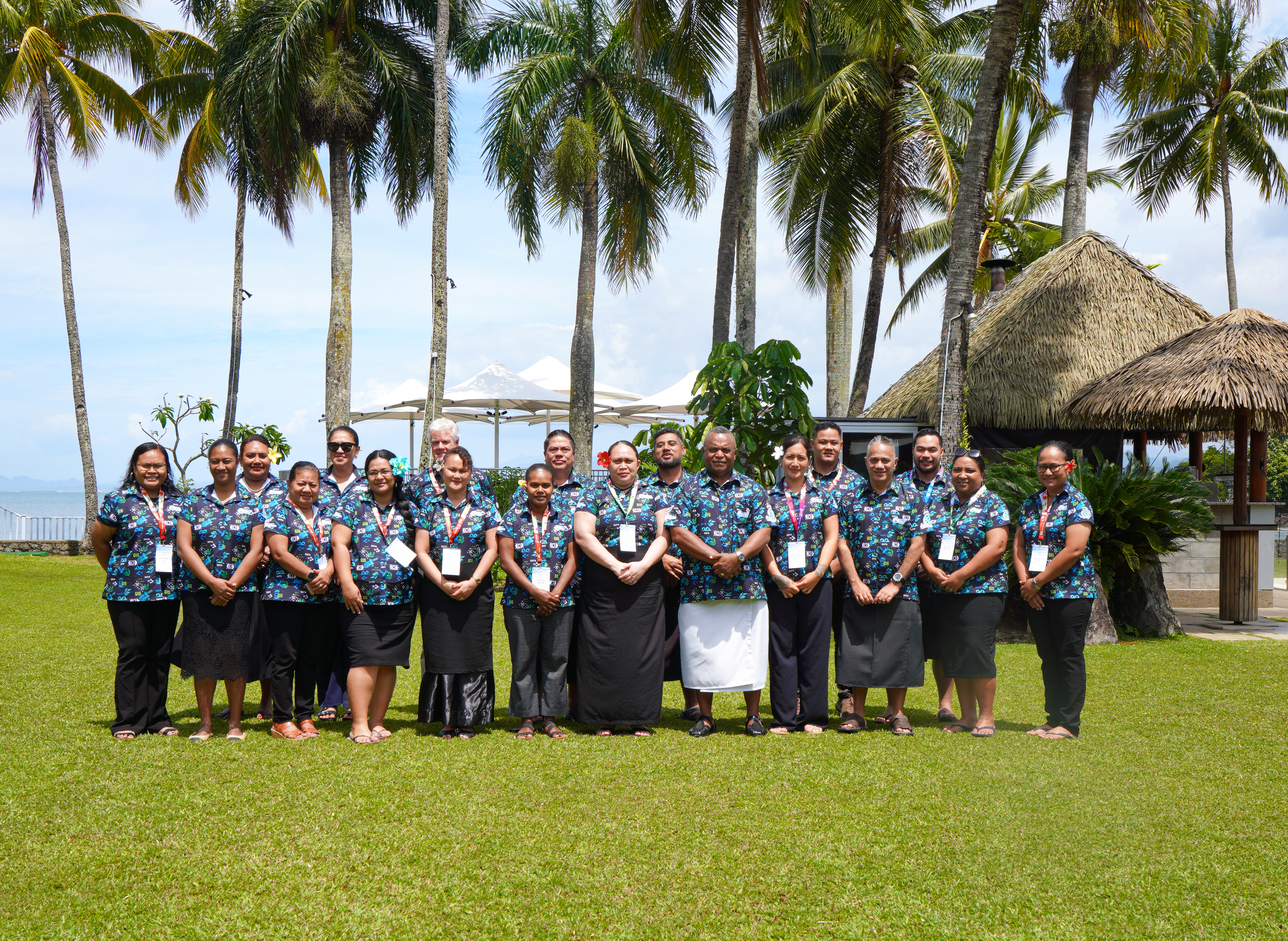
In his opening remarks, Mr Jope Davetanivalu, Director of the SPREP’s Environmental Governance Programme emphasised; “This is your project. It belongs to the countries and territories it is designed to serve, not to SPREP and not to UNEP; which is exactly why you are in the room”.
“Over the next three days, we are asking you to test the design and tell us where it is right and where it is not, the barriers to be addressed, the objective, components and outcomes, the logframe, the gender work and grievance redress mechanism, co-financing, and the timeline toward a possible 2027 start”
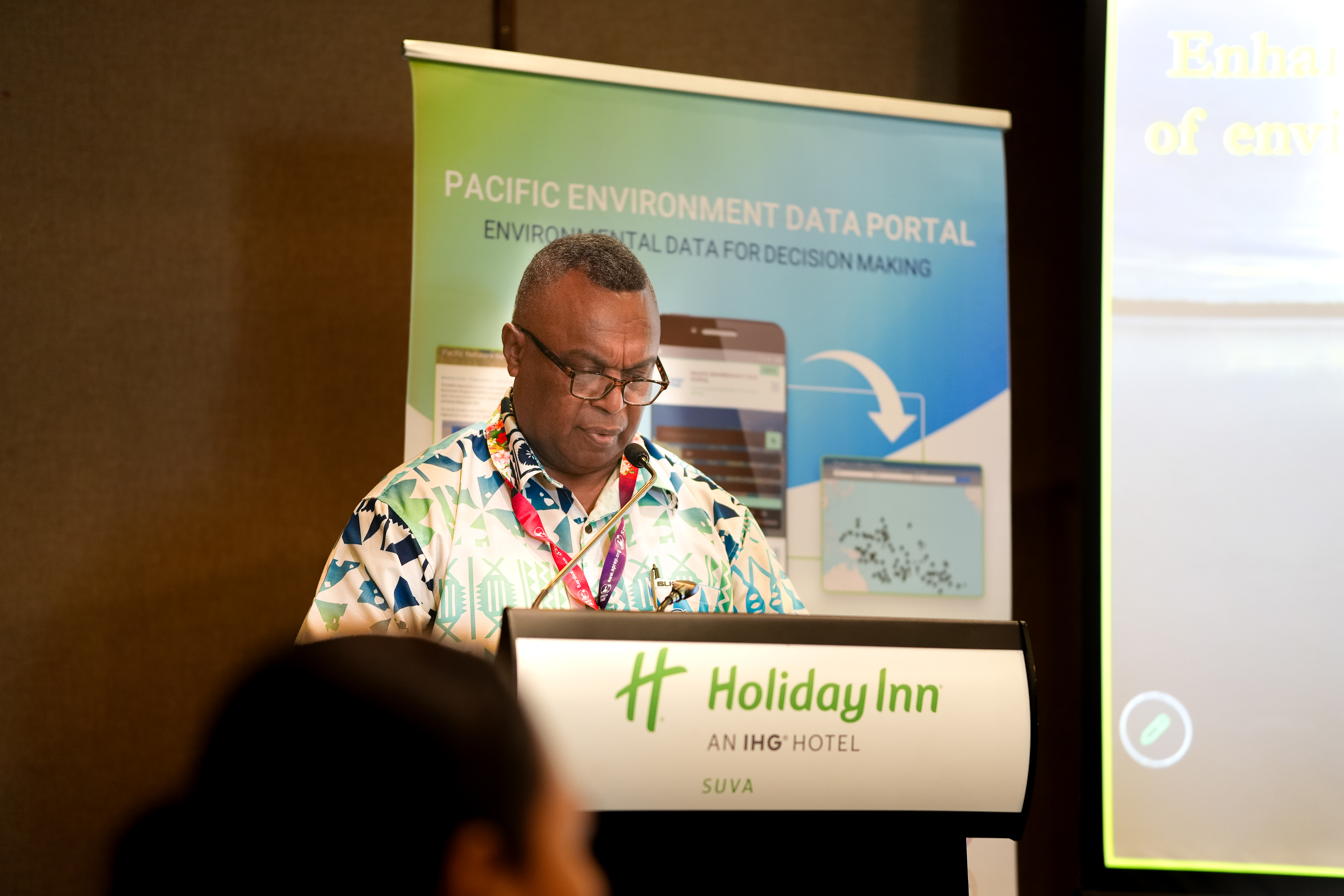
While regular environmental data collection, analysis and reporting are essential for understanding environmental trends and guiding national planning, significant capacity gaps persist in the region.
The PED project aims to continue the efforts in bridging those capacity gaps, ensuring that future environmental policies are firmly anchored on reliable, localized science and data driven insights.
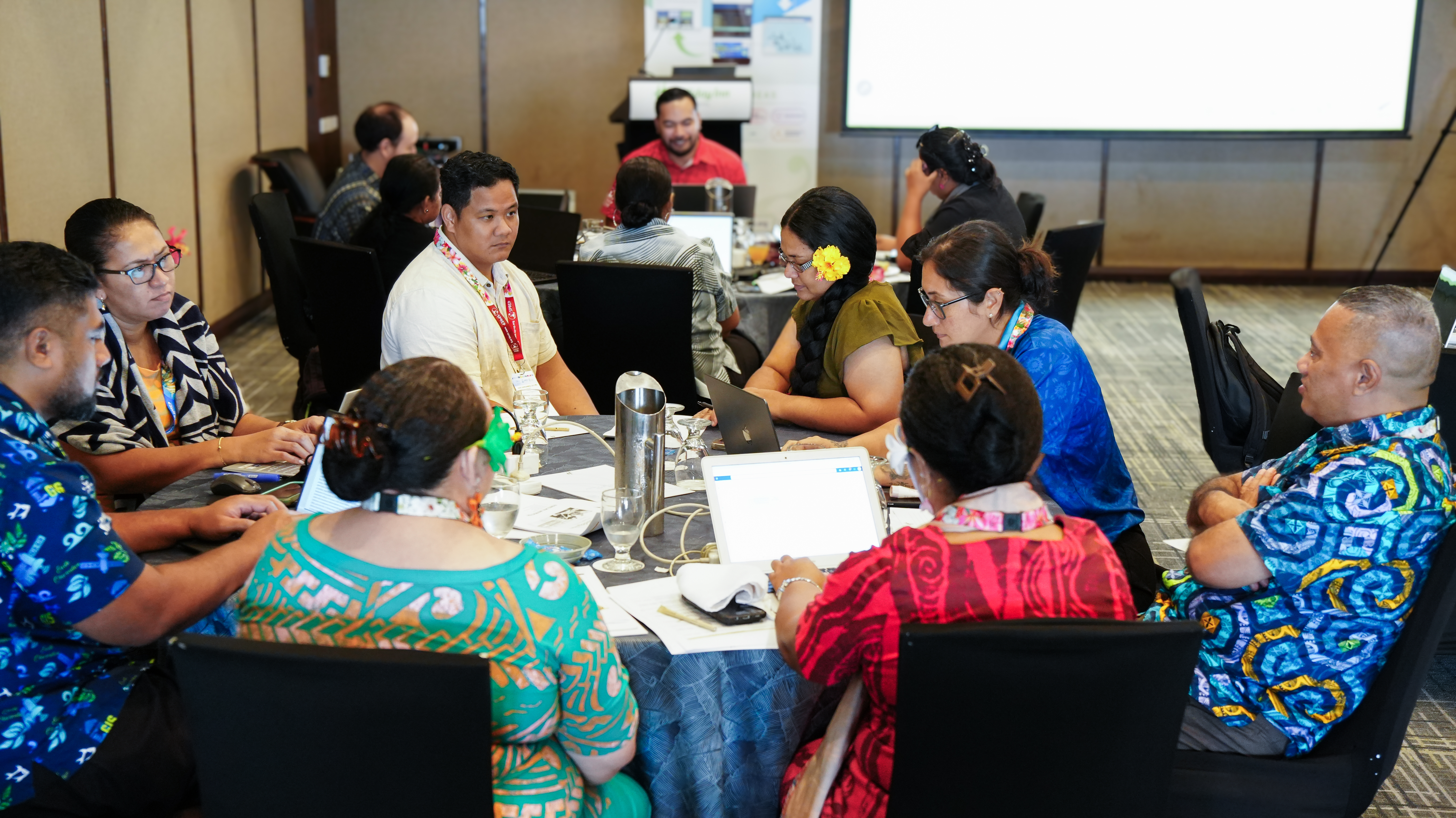
This week’s meeting brings together key stakeholders from ten participating countries - the Cook Islands, Federated States of Micronesia, Fiji, Nauru, Niue, Palau, Samoa, Solomon Islands, Tonga and Tuvalu. The project is supported with US$3.7 million over five years and aims to strengthen environmental standards, routine monitoring and field data collection, enhance the use of the Pacific Environment Data Portal, geographic information systems (GIS) and strengthen the advocacy and communication skills needed to provide decision makers with reliable data and products.
The PED project directly builds upon the foundational successes of the Global Environment Facility (GEF)-funded flagship Inform project formally titled “Building National and Regional Capacity to Implement Multilateral Environment Agreements by Strengthening Planning and State of Environment Assessment and Reporting in the Pacific” that was implemented across members from 2017 until 2022.
"Accessible, reliable and timely environmental data is our most valuable asset in combating the triple planetary crisis. This project will continue to empower institutions across the Pacific to monitor environmental shifts seamlessly, driving robust planning where it is needed most,” said Mr Jochem Zoetelief, Head of the UNEP’s Climate Early Warning Division in his remarks delivered remotely.
Over the three-day session, participants are sharing barriers to data access, communicating national data priorities that align with core project objectives and review outputs, outcomes and allocated output budgets. Furthermore, , the consultation also examines the project’s gender and stakeholder engagement to guarantee that the final project framework supports inclusive participation and responds transparently to local community concerns.
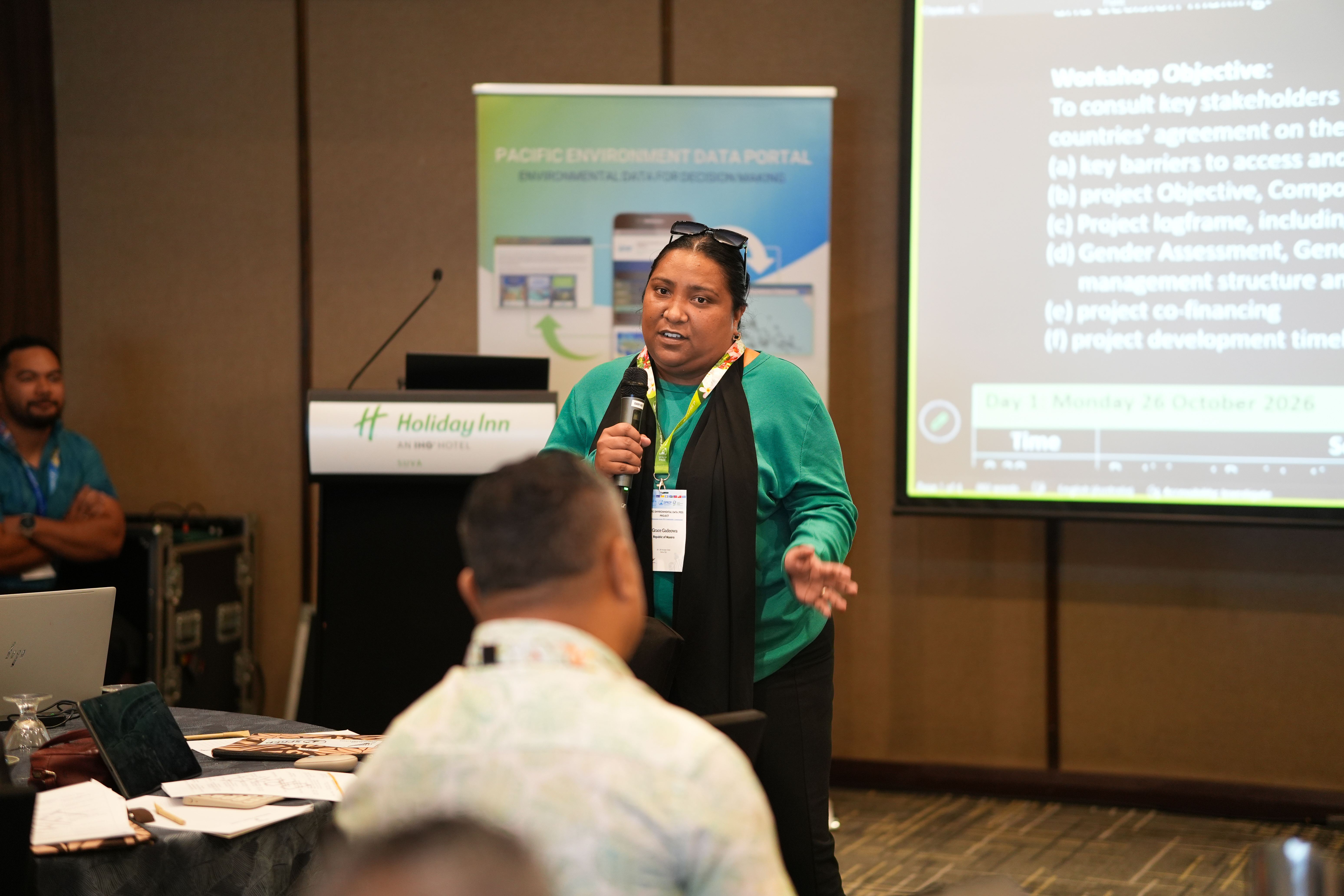
Through this interactive approach, member’s perspectives are taking centre stage throughout the validation process to guarantee that the final design directly addresses national capacity gaps and supports the frontline institutions responsible for state-of-environment reporting.
“Naoero faces challenges of remoteness and a small staff base, with officers often stretched across different work areas, including environmental data collection and management. The PED project is an important initiative that will directly support one of our national priorities: ensuring that reliable, timely environmental data is available to inform national planning and to strengthen reporting against our National Sustainable Development Strategy (NSDS) key performance indicators” said Ms Grace Gadeowa, Waste and Chemical Manager Department of Environmental Management & Agriculture (DEMA) of the Republic of Naoero.
Delegates will conclude the week by finalising proposed project co-financing requirements and cementing the remaining development and approval timeline before the official project launch and commencement.
The Project Preparation Grant (PPG) consultation for the Pacific Environmental Data Project workshop is jointly facilitated by the United Nations Environment Programme (UNEP), the Secretariat of the Pacific Regional Environment Programme (SPREP), and the Global Environment Facility (GEF), with additional support provided through the Emma Luke Center and the New Zealand Ministry of Foreign Affairs and Trade (MFAT).