

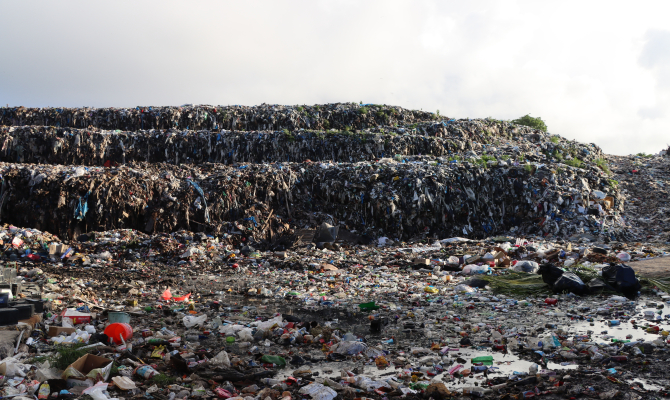
2 November 2026 Suva, Fiji - Fiji is exploring options to strengthen regulatory controls on problematic and avoidable single-use plastic products as part of efforts to prevent plastic pollution at its source and advance the transition towards a more sustainable, circular plastics economy.
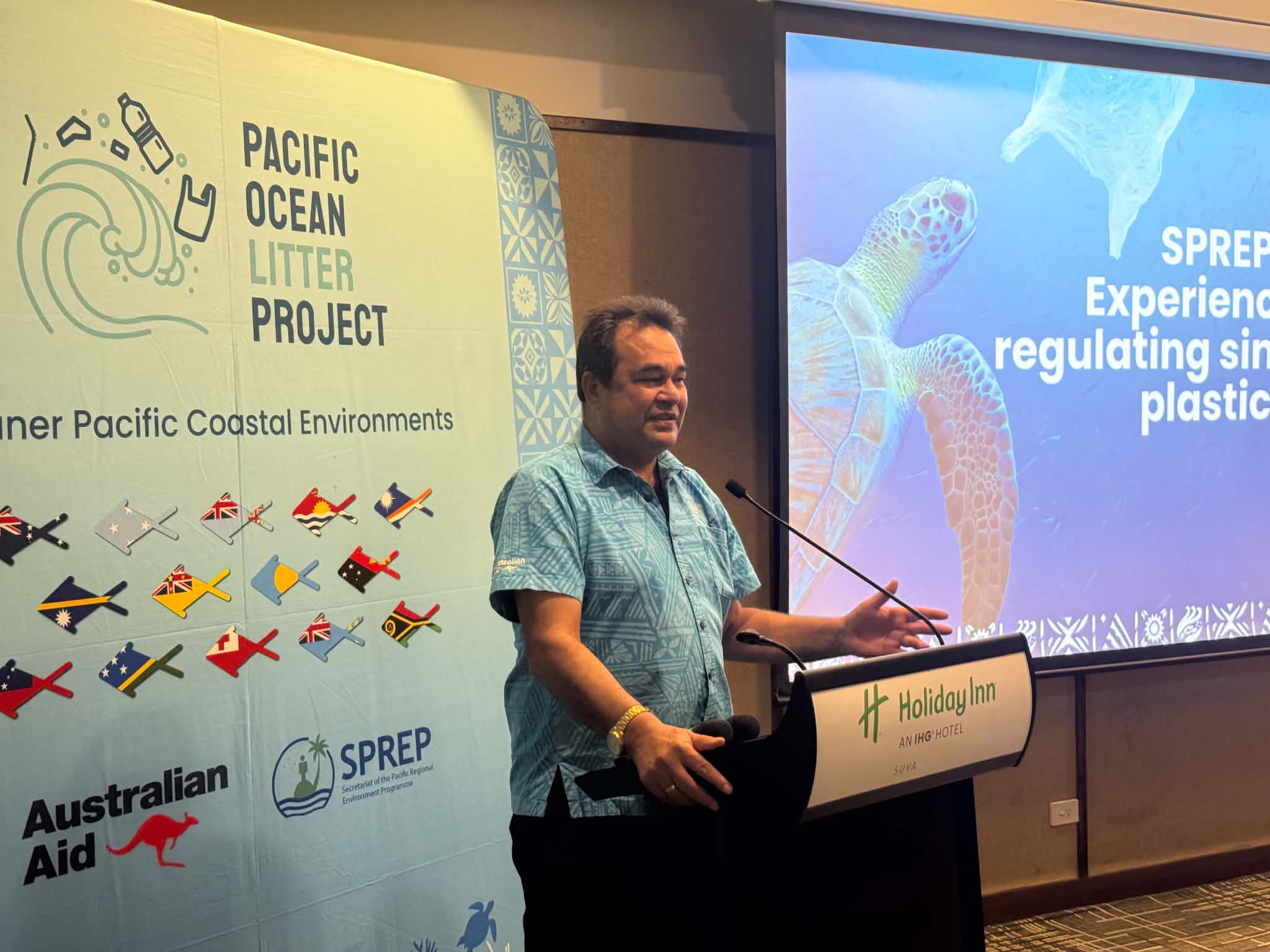
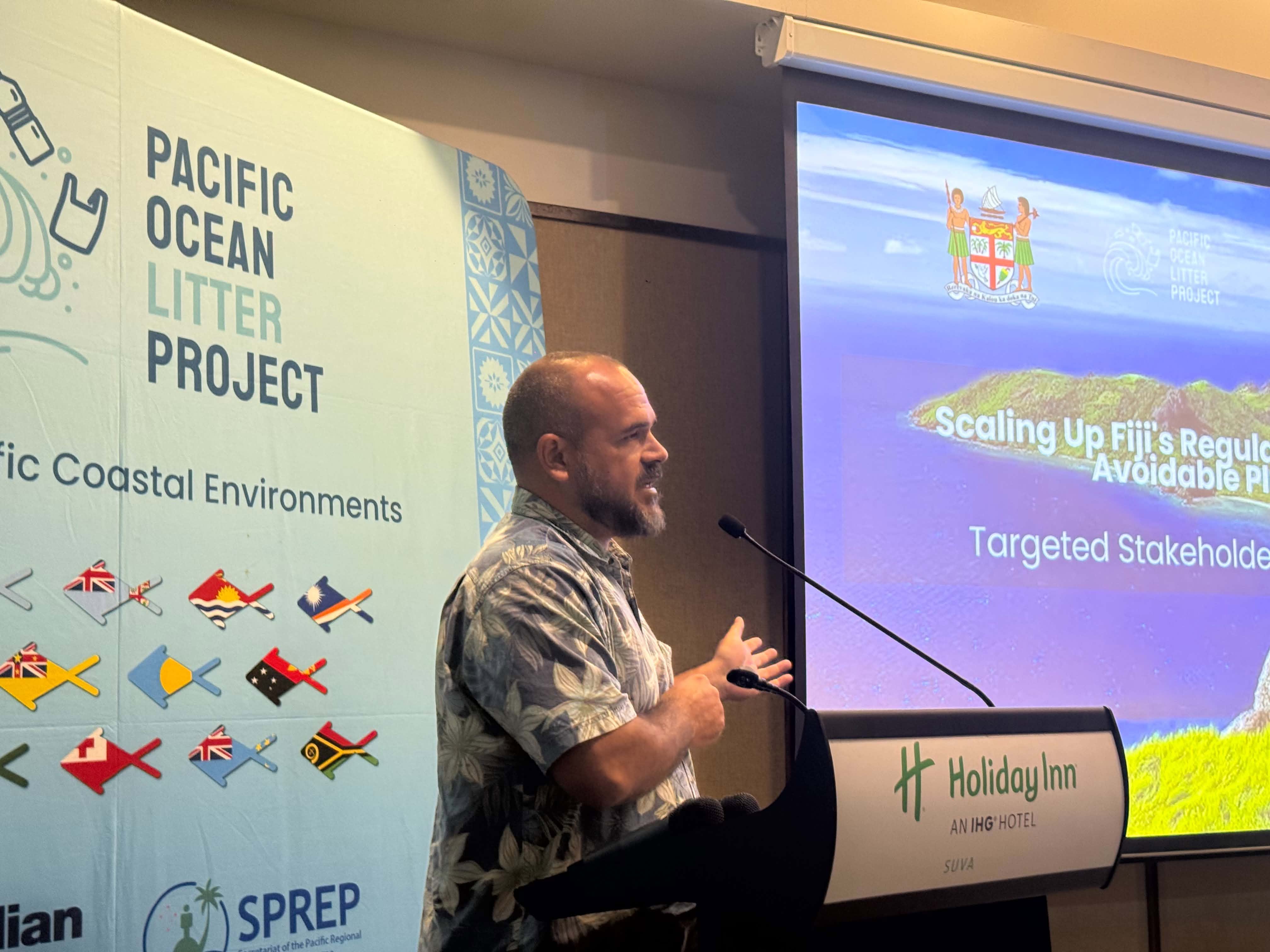
The Ministry of Environment and Climate Change (MECC), in partnership with the Secretariat of the Pacific Regional Environment Programme (SPREP), through the Australian Government-funded Pacific Ocean Litter Project (POLP), convened a targeted stakeholder scoping workshop in Suva this week, bringing together government agencies, technical experts, development partners and key stakeholders.
The workshop provided an opportunity to examine potential regulatory measures to reduce the importation and use of plastic products that pose risks to human health and the environment, particularly those for which safer and more sustainable alternatives are available.
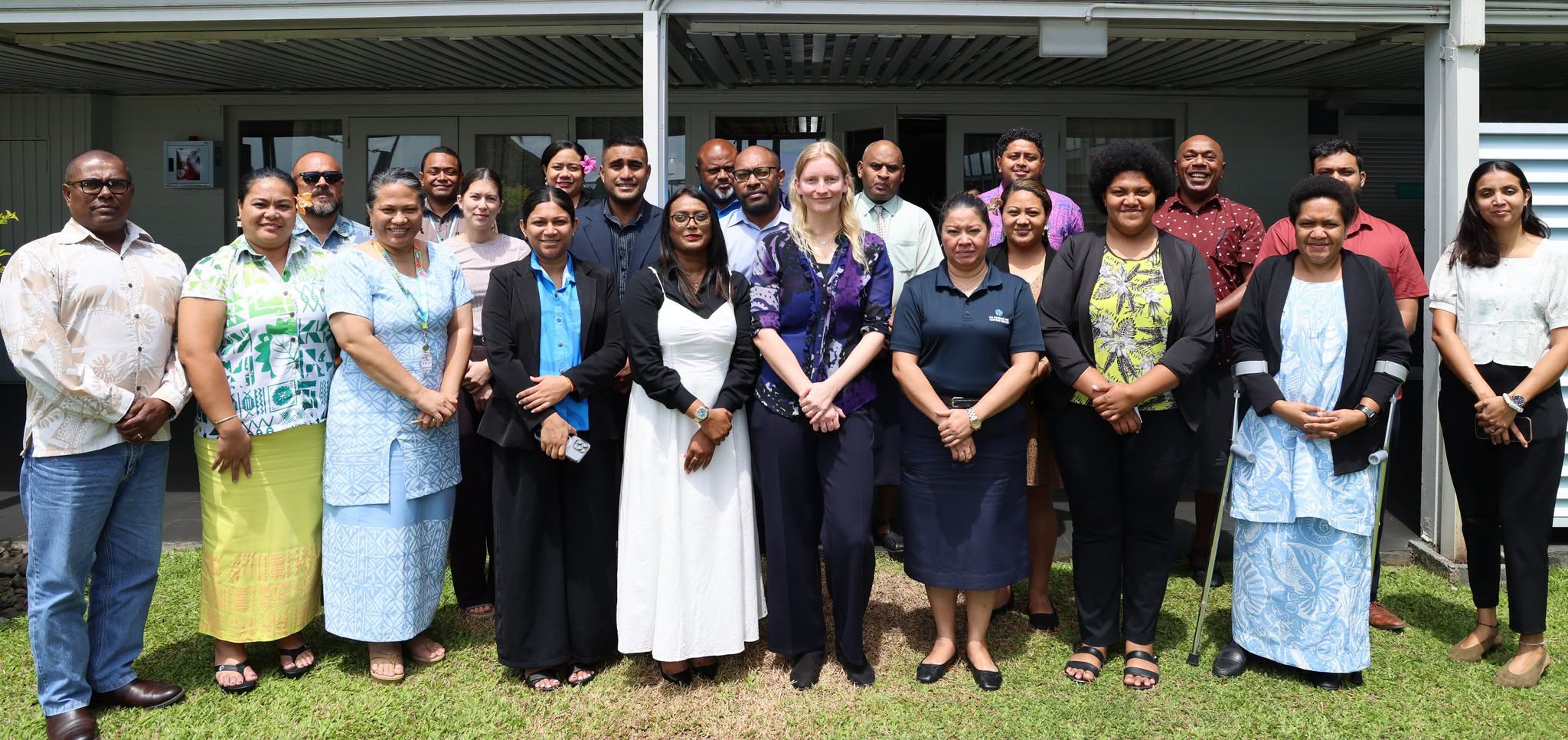
“As a net importer of plastics, Fiji faces the challenge of managing products and packaging manufactured elsewhere. Plastic pollution continues to affect our communities, livelihoods and marine environment, highlighting the importance of preventing pollution before it occurs,” said Ms Iva Josivini, Acting Principal Environment Officer for the Waste, Pollution and Control Unit at MECC.
The workshop follows a Cabinet directive for the Ministry to undertake a comprehensive assessment of plastic bans in Fiji and provide recommendations on their potential implications.
MECC emphasised that the workshop was an initial scoping exercise, rather than a consultation to approve new bans or finalise a list of prohibited products. Its purpose was to share technical work undertaken to date and gather stakeholder perspectives on a comprehensive, phased approach to regulating problematic and avoidable plastic products through import controls and complementary domestic measures.
Technical findings presented by the University of New South Wales (UNSW) Centre for Sustainable Development Reform included a review of 78 regulatory instruments across 35 jurisdictions and a preliminary shortlist of 41 plastic products identified for further assessment.
Among the products considered for prioritisation were plastic straws, plates, cups, cutlery and confetti.
Discussions explored a range of regulatory options, including import restrictions, product bans, levies, product standards and product stewardship measures. Stakeholders also examined the safety, affordability and environmental sustainability of alternatives, including concerns surrounding biodegradable plastics and opportunities to promote locally available natural substitutes.
Other considerations included product testing, cost-benefit assessments, appropriate exemptions, transition periods for businesses, stronger enforcement mechanisms and capacity-building for relevant agencies.
The workshop builds on Fiji's existing efforts to address plastic pollution, including plastic bag and polystyrene controls, strengthened litter enforcement, school and community awareness initiatives, and ongoing reforms relating to Product Stewardship Scheme legislation and Container Deposit Regulations.
It also contributes to the priorities outlined in Fiji's National Development Plan 2025–2029 and National Waste Management and Pollution Control Strategy 2026–2035, which emphasise waste prevention, resource recovery and stronger pollution control.
The work further supports Fiji's engagement in international efforts to develop a legally binding instrument on plastic pollution, particularly on addressing plastics across their entire life cycle.
"The Pacific has been at the forefront of calling for stronger global action on plastic pollution. As negotiations towards a legally binding global plastics treaty continue, countries must also strengthen their national systems to ensure they are prepared to implement future commitments,” said Mr Andrea Volentras, Project Manager of POLP.
“Fiji's regulatory review is an important part of this process, helping to identify practical measures to address problematic and avoidable plastics while contributing to the wider international effort,” he added.
The next steps for Fiji will include further engagement with industry and private sector stakeholders, assessment of suitable alternatives, regulatory impact analysis and broader consultations.
Particular attention will be given to ensuring that any proposed measures are practical, affordable and responsive to the needs of households, small businesses and maritime communities.