

6 November 2026 - Pacific National Meteorological Services are strengthening their ability to warn communities of tsunami threats. With support from the Weather Ready Pacific (WRP) Programme, implemented by the Secretariat of the Pacific Regional Environment Programme (SPREP), the Cook Islands Meteorological Service and the Samoa Meteorology Division took part in an international tsunami early warning training programme in Chile, in August this year. They are now bringing lessons home to improve warning procedures, coordination and community preparedness.
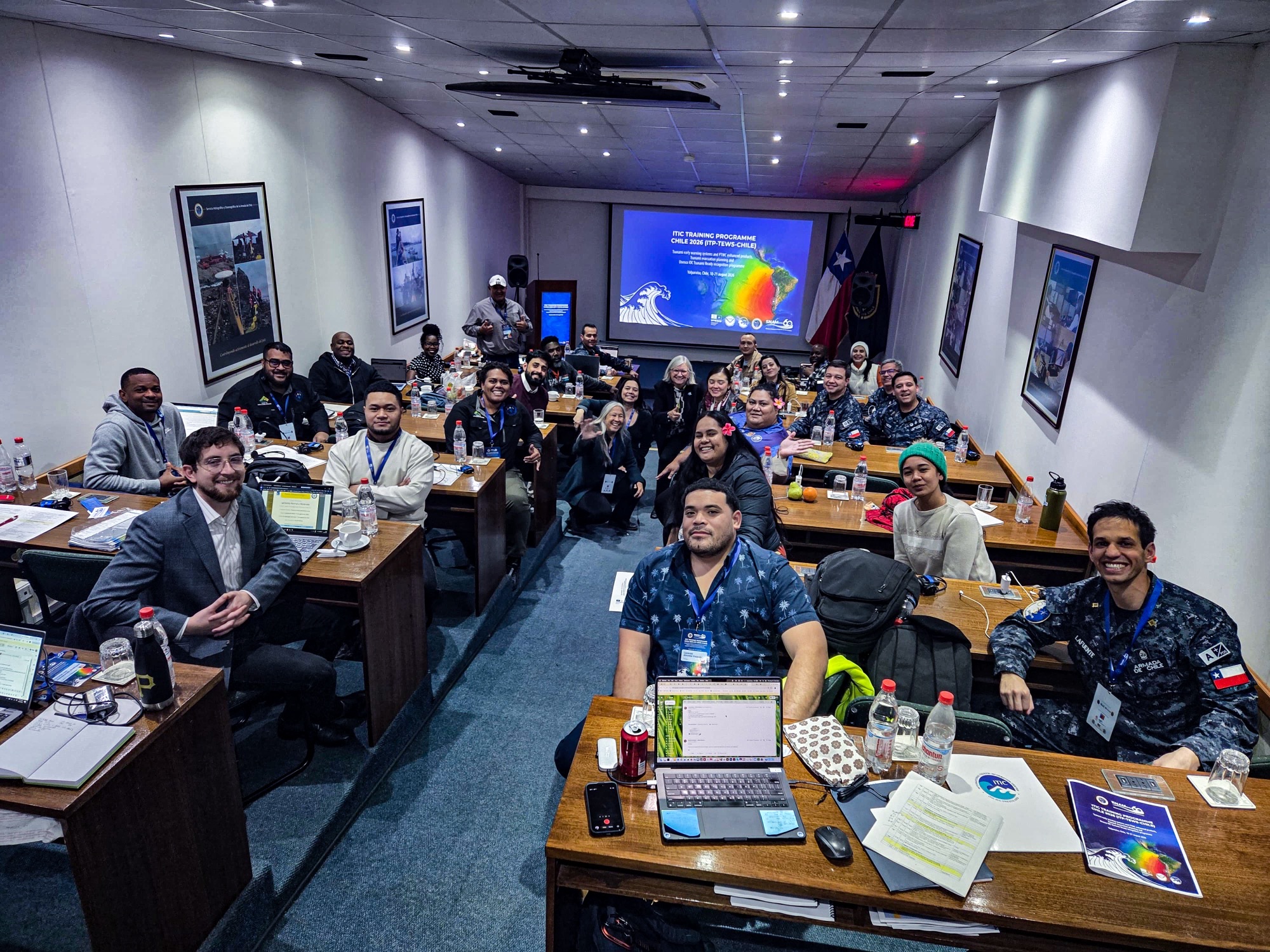
Mr Maara Vaiimene, Director of the Cook Islands Meteorological Service, and Ms Angela Hazelman, Geophysics Officer at the Samoa Meteorology Division, attended the International Training Programme on Tsunami Early Warning Systems (ITP-TEWS Chile 2026). The programme was held in Valparaíso, Chile, from 10–21 August 2026. It brought together specialists from Pacific and Caribbean countries to share knowledge and strengthen national capacities to prepare for and respond to tsunami hazards.
“Chile’s experience shows that an effective tsunami warning system depends not only on strong science and monitoring, but on clear roles across agencies and warnings that communities understand and act on,” said Director Maara Vaiimene.
“The lessons from this training will directly support our work to review our tsunami procedures, strengthen how we get warnings out to communities, and build tsunami services into the Cook Islands’ national Multi-Hazard Early Warning System.”
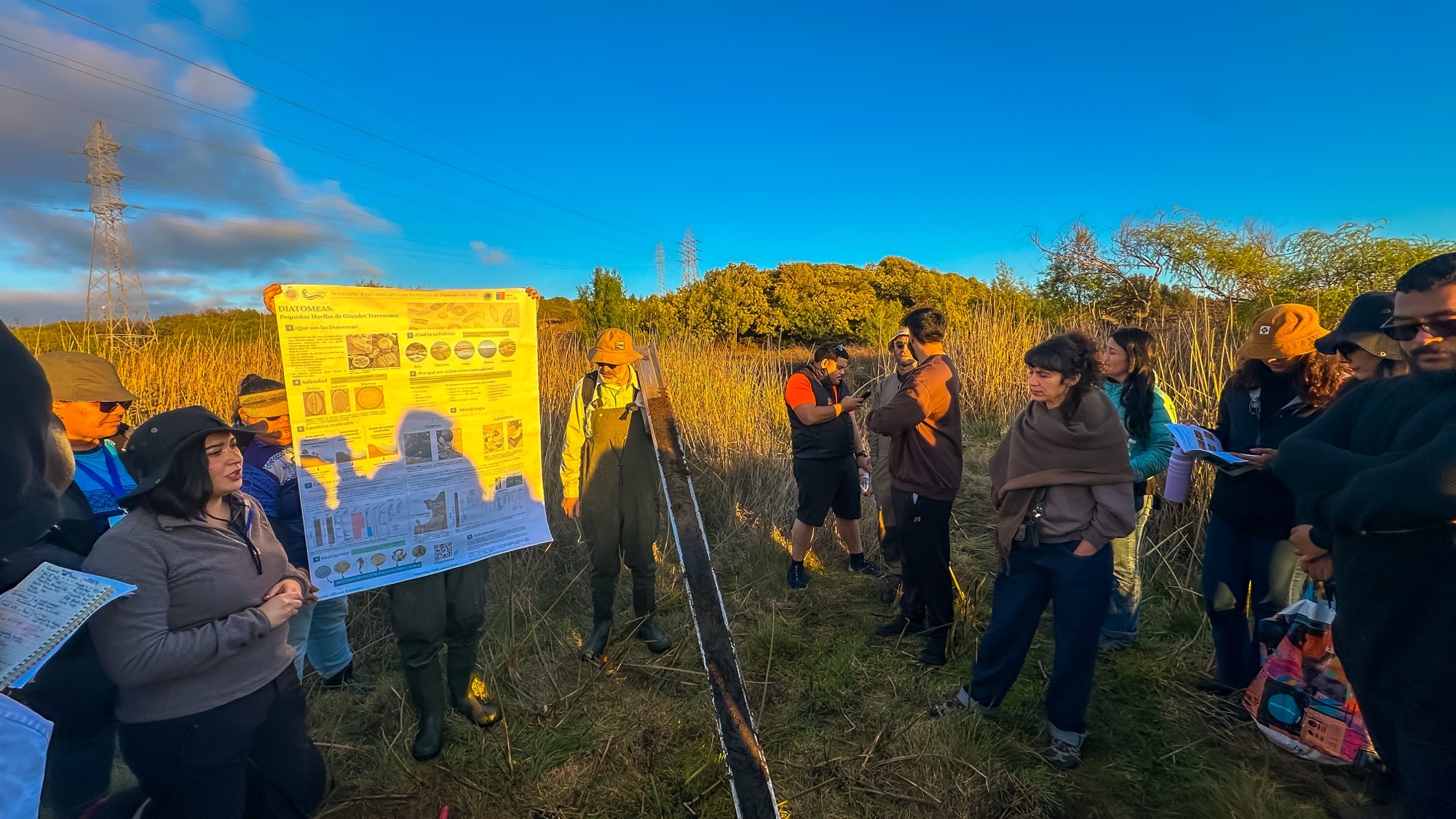
Jointly led by the International Tsunami Information Center (ITIC) and the UNESCO Intergovernmental Oceanographic Commission (UNESCO-IOC), the programme provided practical insights into the full tsunami warning process, from monitoring and assessment to public communication and emergency response.
For Pacific Island countries, the stakes are high. Local-source tsunamis can reach coastlines and coastal communities within minutes, leaving little time for official warnings to be issued and acted upon. Strong technical capabilities, well-practised procedures and public awareness are essential to complement national tsunami warning arrangements and to help communities recognise natural warning signs and move quickly to safety.
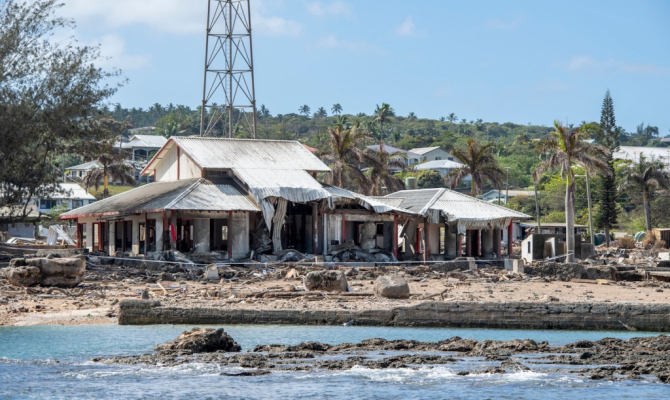
For Samoa, the devastating tsunami that struck Samoa on 29 September, 2009 following a powerful undersea earthquake, claiming lives and causing widespread destruction in coastal communities – remains a traumatic memory for many locals who survived, lost loved ones, or helped the national relief effort in the days, weeks and months that followed. The 2009 tsunami, that killed 143 people in Samoa, 34 in American Samoa, and nine in Tonga, highlighted for the Pacific the critical importance of timely warnings, effective coordination and communities knowing how to respond when a tsunami threat arises.
For Ms Hazelman, whose country knows the cost of tsunami firsthand, the training was a chance to deepen her technical knowledge. It was also a chance to explore how international experience could help strengthen Samoa’s tsunami warning and preparedness arrangements.
“The training was incredibly valuable and covered the full end-to-end tsunami warning chain, including tsunami warning centre operations, Standard Operating Procedures, PTWC Enhanced Products, decision-support tools, emergency response, exercises, public communication and the Tsunami Ready Recognition Programme,” Ms Hazelman said.
“More importantly, the programme gave me an opportunity to reflect on how these lessons can be applied within Samoa’s own tsunami warning and preparedness arrangements.”
The same tsunami sent waves to Rarotonga and Penrhyn in the Cook Islands, and in 2010 a local tsunami struck Mangaia’s uninhabited south coast. While the Cook Islands has never experienced a devastating tsunami, the threat is real. Reports estimate that over 4,500 people were directly affected by the 2009 tsunami, most of whom were displaced. For every Pacific island country, Samoa’s experience is a reminder that preparedness must be in place before the waves arrive.
Both services will now share lessons with colleagues and identify practical ways to strengthen national preparedness. In the Cook Islands, lessons will be shared with Meteorological Service staff and will support future tsunami exercises and training. In Samoa, following confirmation of the intended next steps with the Samoa Meteorology Division, this may include sharing key lessons, strengthening operational procedures, or contributing to tsunami preparedness and awareness activities.
Mr ‘Ofa Fa’anunu, WRP Programme Manager, said professional development and regional collaboration were essential to building the capacity of Pacific Meteorological Services to protect their communities.
“Weather Ready Pacific recognises that investing in people is just as important as investing in technology and systems. By supporting opportunities for professional development, knowledge sharing and regional collaboration, we hope to help all Pacific Meteorological Services strengthen their capabilities and readiness for disasters.
“Every Pacific country has its own needs and challenges, and we want Weather Ready Pacific to provide opportunities that help national services build the capacity they need to deliver effective early warnings and support communities to take action when it matters most.”
Through Weather Ready Pacific, SPREP works alongside Pacific countries, national meteorological services and technical partners to strengthen the people, partnerships and systems needed to ensure that early warnings lead to early action.
About the Weather Ready Pacific (WRP) Programme
WRP is a regional initiative supporting Pacific Island communities. Financial support for the programme is provided by the Governments of Australia, New Zealand, and United Kingdom. Implemented by SPREP, the programme works closely with Pacific National Meteorological and Hydrological Services, regional organisations and technical partners to strengthen Multi-Hazard Early Warning Systems and improve the delivery of weather and climate services across the Pacific.
For more information about the ITP-TEWS Chile 2026, or the WRP Programme, please visit the SPREP website or contact WRP Programme Manager Mr ‘Ofa Fa’anunu, ofaf@sprep.org, or WRP Programme Communications & Knowledge Management Officer Ms Angelica Salele-Sefo, angelicas@sprep.org.