

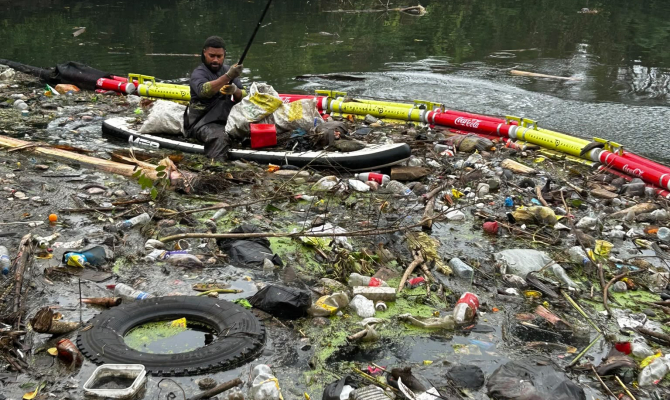
6 November 2026 - Plastic waste entering Fiji’s rivers and waterways continues to threaten coastal and marine ecosystems, prompting a new initiative funded by the Agence Française de Développement (AFD) to intercept litter before it reaches the ocean.
Fiji has officially launched the Fiji Riverine Trashboom Initiative, following the signing of a USD100,000 contract between the Secretariat of the Pacific Regional Environment Programme’s (SPREP), through its Sustainable Waste Actions in the Pacific Phase 2 (SWAP2) Project, financed by AFD, and Trashboom Pacific.
The initiative will support the installation of ten additional Trashboom systems at priority river and drainage catchments across Fiji, alongside waste monitoring, community engagement and data collection to strengthen national efforts to address marine plastic pollution.
An inception meeting held virtually on 2 November brought together representatives from Trashboom Pacific, Fiji’s Ministry of Environment and Climate Change (MECC), AFD and the SWAP2 Project Team to mark the commencement of the initiative and strengthen collaboration among partners.
“Stopping plastic before it reaches the reef is vital, but knowing where it comes from is what changes the game. Through SWAP2, AFD supports Fiji along the entire waste chain, from the Naboro landfill to these river barriers. Every Trashboom is also an observatory: by tracing litter back upstream to its source, it gives the Ministry the evidence to design policies that cut waste where it is generated. That is how a pilot becomes public policy," said Ms Elodie VITALIS, Head of AFD in Fiji.
Fiji’s Permanent Secretary for Environment and Climate Change, Dr Sivendra Michael, highlighted the importance of the initiative in supporting national waste management priorities.
“Fiji's ocean health is central to our people’s livelihoods, culture and wellbeing. Initiatives such as the Fiji Riverine TrashBoom Initiative contribute to the priorities of our National Waste Management and Pollution Control Strategy 2026–2035 by intercepting waste before it reaches the marine environment. Through our partnership with SPREP and TrashBoom Pacific, we are strengthening a whole-of-system approach to tackling pollution, combining upstream measures to prevent waste generation with downstream solutions that serve as a final line of defence.”
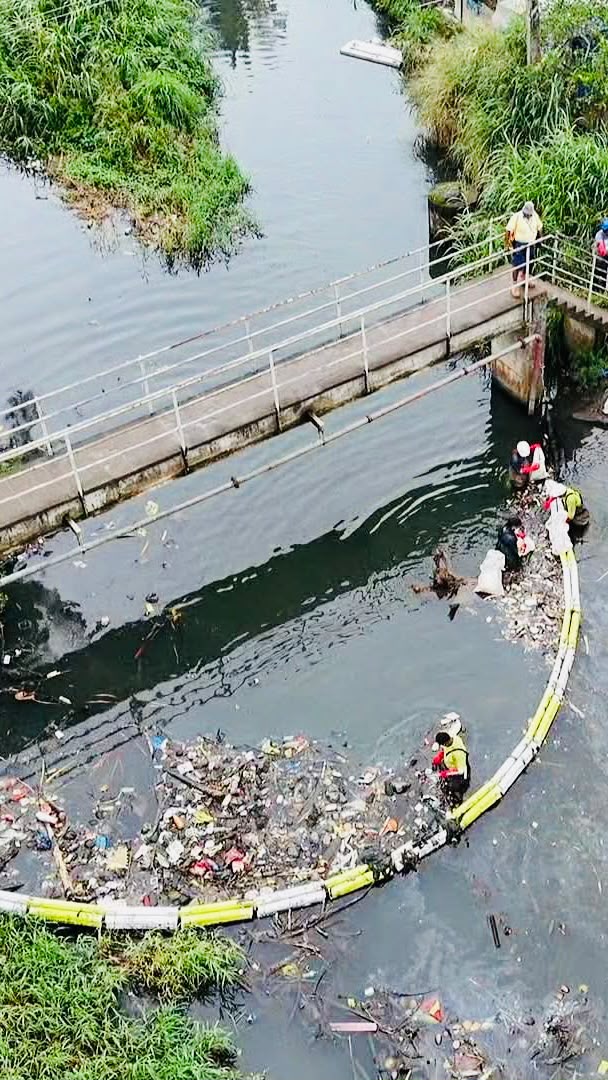
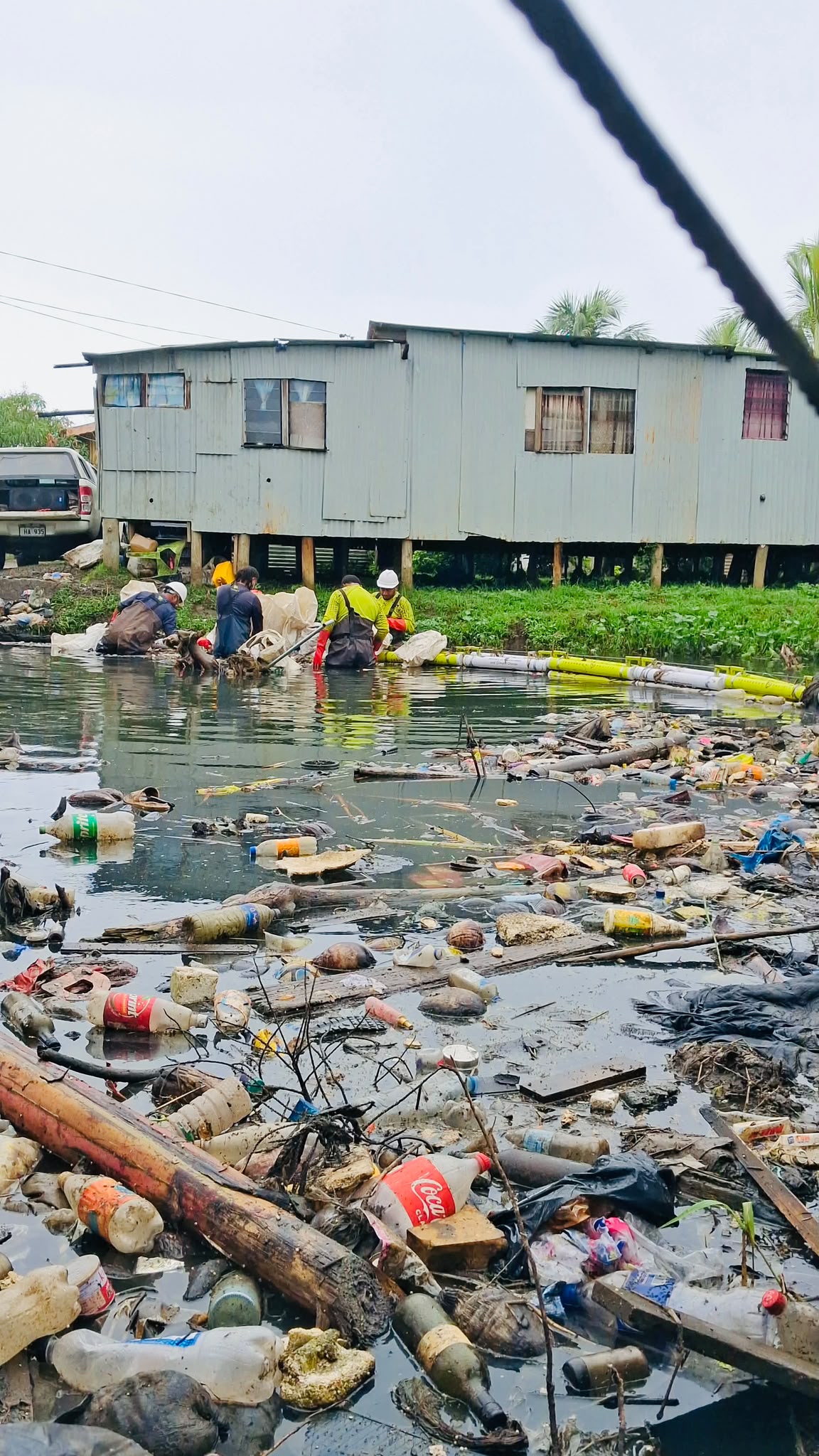
Trashbooms are floating barrier systems designed to capture plastics and other floating debris moving through rivers and waterways while allowing water to continue flowing. By intercepting waste upstream, the systems help prevent land-based pollution from reaching estuaries, mangroves, coral reefs and the wider marine environment.
The initiative builds on existing Trashboom installations across Fiji, which have demonstrated their potential to intercept significant quantities of waste. Monitoring data from five existing systems at Nausori, Nakasi, Sigatoka, Nabua and the Holiday Inn Creek outlet recorded a combined 341.78 kilograms of solid waste collected between February and March 2026.
Beyond intercepting waste, the initiative will establish a standardised riverine waste monitoring programme using the Sustainable Coastlines methodology, which is also used by the SWAP2 project to monitor marine litter pollution on shorelines. Collected data will be recorded through the Litter Intelligence platform. By bringing together data from both rivers and beaches, the initiative will contribute to a better understanding of marine litter sources, pathways and the movement of waste from land to sea in Fiji.
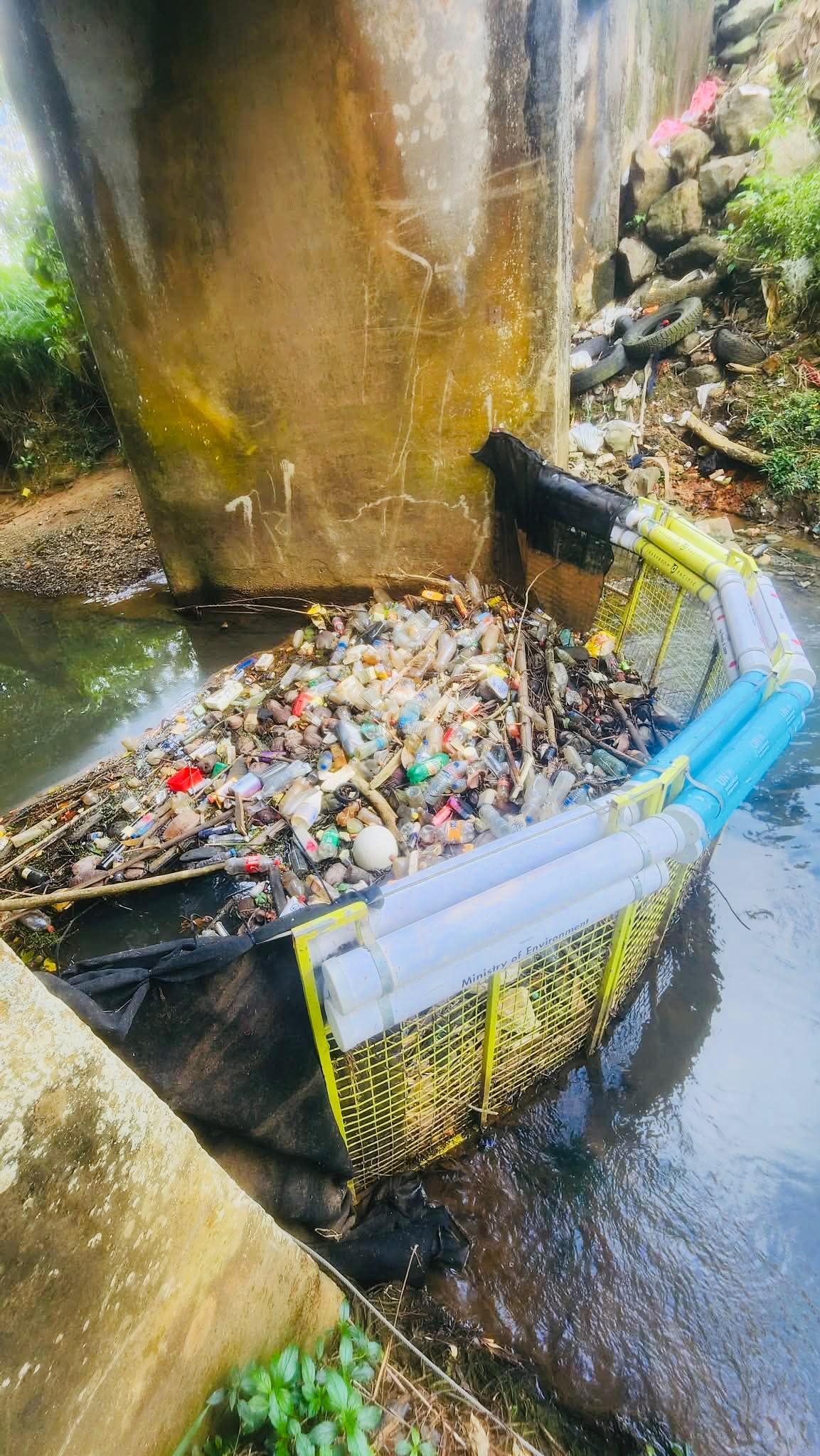
Formal waste audits will be conducted every six months at the ten project sites through to June 2028, providing information on the quantities and composition of intercepted litter and helping identify potential sources and pollution waterways. The findings will support MECC in identifying pollution hotspots, understanding waste leakage pathways and strengthening evidence-based waste management planning and policy development.
"If using trashbooms to capture and collect debris is all we do then we will always be collecting debris. However, the booms helps us to collect valuable information which will help Fiji to make informed decisions on preventative measures to improve its chemicals waste and pollution management. This data will also add to the ecosystem of useful information such as the coastal debris data already collected," said Mr Anthony Talouli, SPREP Director of the Waste Management and Pollution Control Programme.
The initiative will also support the continued operation, maintenance and rehabilitation of six existing Trashboom systems to ensure they remain safe and effective in intercepting floating waste and supporting ongoing monitoring.
Community participation will be central to the initiative, with local communities, youth and women's groups, schools, municipal councils and civil society organisations involved in awareness activities, waste audits and monitoring.
These activities will help communities understand how everyday waste disposal practices contribute to river pollution, while encouraging greater local ownership and collective action to reduce litter at its source.
Beyond removing waste from waterways, the initiative will also explore opportunities to recover and transform suitable plastics collected through the systems into useful products, giving collected materials a second life rather than sending them directly to landfill.
Trashboom Pacific is developing a local upcycling initiative in partnership with Leduas Art Collection, supported by a business-to-business Memorandum of Understanding. The partnership will explore the processing of suitable recovered river plastics into products such as plant pots, detangling combs, carabiners and plastic sheets.
"We want to demonstrate that the plastic waste collected from our waterways does not have to end up in landfill. Where the materials are suitable, we plan to sort, clean and process them into new products such as plant pots, combs, carabiners and plastic sheets. This will give recovered plastics a second life while showing communities the value of resource recovery and responsible waste management," said Mr Wayne Fuakilau from Trashboom Pacific.
Through its partnership with Ledua’s Art Collection, Trashboom Pacific has invested in granulation and injection moulding equipment to support the processing of suitable recovered plastics. Where economically viable, revenue generated from the sale of upcycled products may also contribute towards the operation, maintenance and future expansion of this upcycling initiative – River Waste Trap to valuable products – business model.
By combining riverine litter interception, standardised waste monitoring, community participation and opportunities for resource recovery, the Fiji Riverine Trashboom Initiative aims to address marine plastic pollution at its source while strengthening Fiji's capacity to make informed waste management decisions.
The experience and lessons generated through the initiative are also expected to provide a model for similar riverine litter interception efforts in other Pacific Island countries and territories.
ABOUT SWAP2
SWAP2 contributes to the goals of the Cleaner Pacific Strategy by improving waste infrastructure, building capacity and fostering regional collaboration. The nine SWAP Pacific islands are Fiji, French Polynesia, Kiribati, Samoa, Solomon Islands, Tonga, Tuvalu, Vanuatu, and Wallis and Futuna.
The Sustainable Waste Actions in the Pacific – Phase 2 (SWAP2) Project is funded by the Agence Française de Développement (AFD) https://www.afd.fr and executed by the Secretariat of the Pacific Regional Environment Programme (SPREP) www.sprep.org For further information please visit: https://swap.sprep.org/ or contact Ms. Julie Pillet, SWAP Project Manager, at juliep@sprep.org