

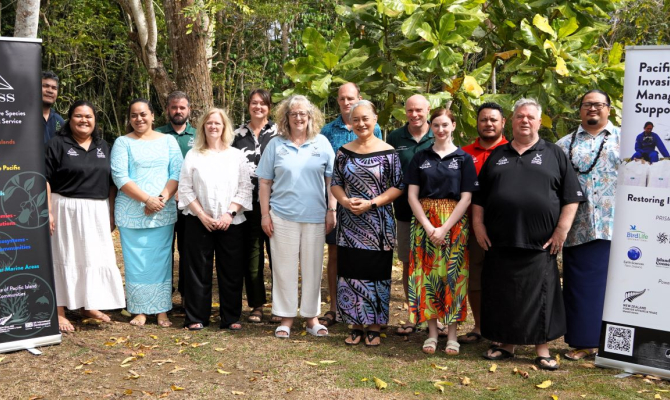
16 November 2026, Apia, Samoa - Experts, partners and programme leads gathered at the Secretariat of the Pacific Regional Environment Programme (SPREP) headquarters in Apia, Samoa, for the 13th Pacific Regional Invasive Species Management Support Service (PRISMSS) Meeting, where discussions helped shape the next phase of regional efforts to strengthen island resilience through invasive species management.
The gathering provided an important opportunity for partner organisations to review progress, share lessons learned, align priorities and prepare for the next phase of collaborative action to address invasive species threats across the region.
Hosted at the Pacific Climate Change Centre on the SPREP campus, the four-day meeting, held from 10 to 13 November, brought together representatives from SPREP, the New Zealand Ministry of Foreign Affairs and Trade (NZMFAT), Bioeconomy Science Institute NZ, BirdLife International, Earth Sciences New Zealand and Island Conservation.
Now in its 13th iteration, the SPREP led PRISMSS meeting continues to serve as a key platform for coordinating regional invasive species activities, advancing project development and strengthening programme delivery across the Pacific. This year's discussions were particularly significant as partners prepared for the launch and implementation of PRISMSS Restoring Island Resilience (RIR) Phase 2, following the successful completion of Phase 1 in September 2026.
While opening the meeting, SPREP Acting Deputy Director General, Ms Easter Chu Shing, emphasised the importance of regional collaboration to address one of the Pacific's most persistent environmental challenges and thanked NZMFAT and technical partners for the continued support.
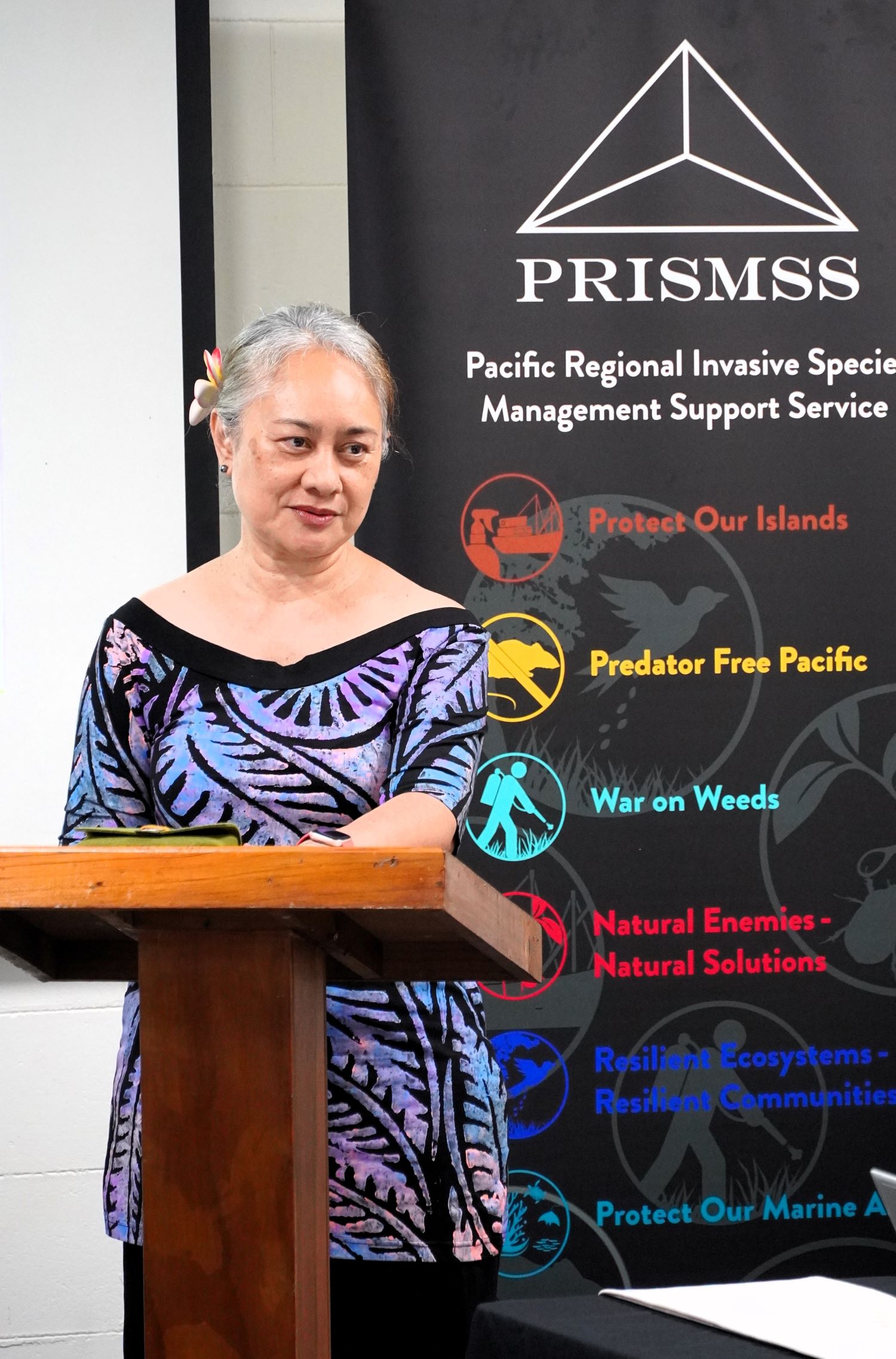
“The Pacific's biodiversity, ecosystems and communities continue to face growing pressures from invasive species.”
“Through PRISMSS, our partners are demonstrating the power of regional cooperation, technical excellence and shared commitment to protecting our natural heritage.”
“As we prepare to embark on the next phase of the Restoring Island Resilience programme, it is essential that we continue working together to scale up effective invasive species management across the region and ensure lasting benefits for Pacific people and ecosystems.”
The meeting opened with a review of PRISMSS achievements and priorities, setting the tone for a week of strategic discussions on programme coordination, implementation planning and the future direction of regional invasive species management initiatives. Throughout the week, partners explored opportunities to strengthen collaboration and identify practical solutions to emerging implementation challenges.
A major focus was on enhancing coordination arrangements across the partnership and confirming priority activities for the coming implementation period. Discussions examined how partners can work more effectively together, improve planning and decision-making processes and strengthen support to Pacific Island countries and territories.
Sessions dedicated to Monitoring, Evaluation, Reporting and Learning (MERL) explored lessons learned from the implementation of PRISMSS RIR Phase 1 and identify improvements to reporting systems and accountability mechanisms under Phase 2.
Technical leads and development partners also explored practical reporting approaches that strengthen accountability, support adaptive management and improve programme learning.
Another key focus area was the integration of Gender Equality, Disability and Social Inclusion (GEDSI) and Traditional Knowledge (TK) principles across PRISMSS-supported initiatives. Discussions examined how consultation and stakeholder engagement processes can be strengthened to ensure projects are inclusive, culturally responsive and informed by local knowledge systems and community priorities.
Participants also reviewed proposed coordination mechanisms, discussed the roles and functions of new programme associate positions and consider how strategic communications and visibility activities can better showcase the impacts and achievements of invasive species management initiatives throughout the Pacific.
SPREP Invasive Species Adviser, David Moverley, highlighted the value of the partnership approach in advancing invasive species management across the region.
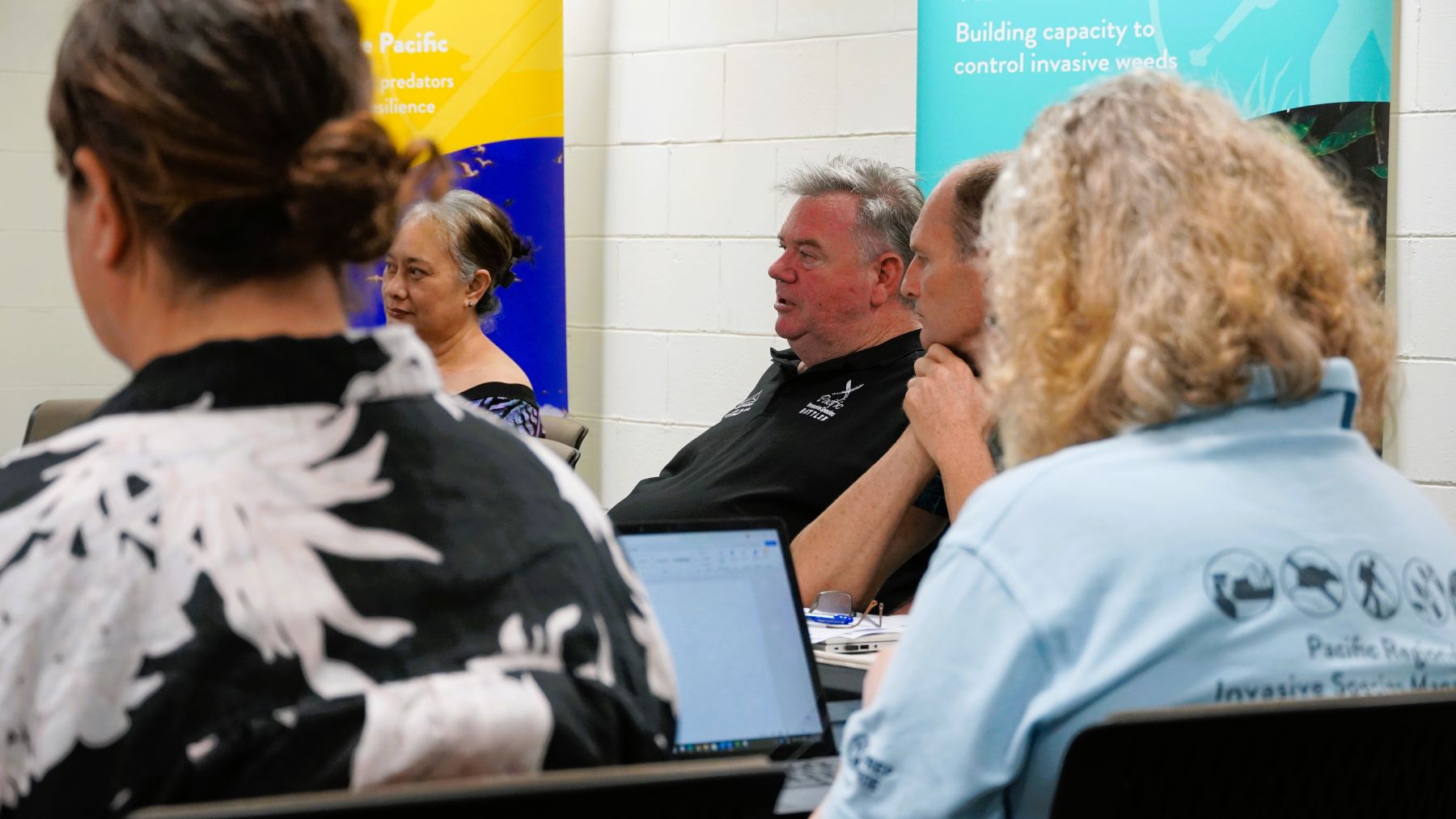
“PRISMSS continues to demonstrate what can be achieved when regional organisations, development partners and technical experts work together towards a common goal.”
“This meeting provides an important opportunity for partners to align priorities, strengthen delivery frameworks and ensure we are well positioned to support countries as we move into the next phase of RIR Phase 2 implementation.”
“Ultimately, our shared objective is to increase the impact of invasive species management efforts on the ground and deliver meaningful, sustainable outcomes that support climate adaptation and build resilience for Pacific biodiversity and our communities.”
SPREP has identified invasive species management as a continuing regional priority and recognises it as an important nature-based solution contributing to biodiversity conservation, ecosystem resilience and sustainable development. PRISMSS remains a key investment area within SPREP's Biodiversity Conservation Programme and plays an increasingly important role in supporting members to address invasive species threats through coordinated technical assistance and regional collaboration.
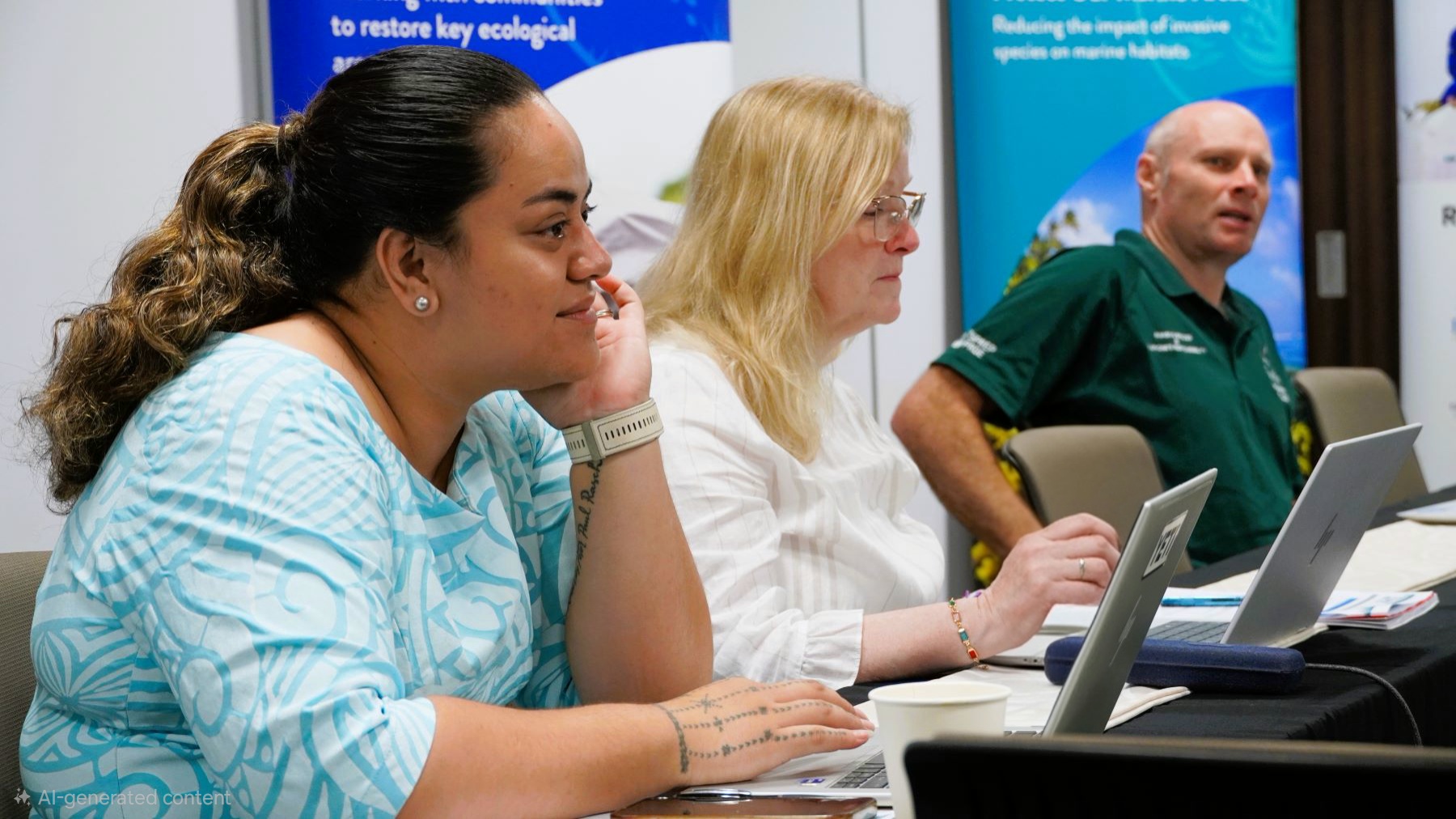
The meeting concluded with reflections on key outcomes, agreement on next steps and a renewed commitment by partners to advancing invasive species management across the region. The continued support from NZMFAT will enable delivery of the PRISMSS RIR Phase 2 while strengthening regional cooperation, capacity development, project delivery and the mainstreaming of invasive species management within broader biodiversity, development and climate resilience agendas.
About PRISMSS
The Pacific Regional Invasive Species Management Support Service (PRISMSS) is a regional partnership that assists Pacific Island countries and territories protect biodiversity, strengthen climate resilience and improve livelihoods by addressing the impacts of invasive species. Through a network of leading technical, scientific and conservation organisations, the Secretariat of the Pacific Regional Environment Programme (SPREP) led PRISMSS delivers coordinated support, expertise and resources to scale up invasive species management across the Pacific through its six flagship programmes. PRISMSS is funded by the New Zealand Ministry of Foreign Affairs and Trade (MFAT) and United Kingdom International Development and coordinated by SPREP in technical partnership with Bioeconomy Science Institute NZ, Birdlife International, Earth Sciences New Zealand, Island Conservation, the Pacific Community (SPC) and other regional partners. For additional information please contact Mr Dominic Sadler, PRISMSS Manager on dominics@sprep.org or Mr Nitish Narayan, PRISMSS Communications & Liaison Officer on nitishn@sprep.org
https://prismss.sprep.org/