

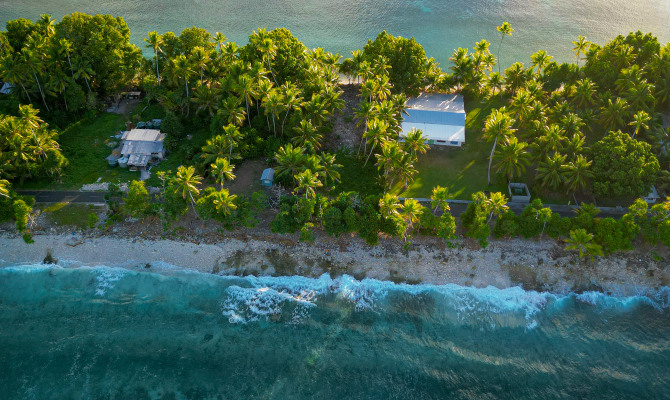
The Cook Islands and Palau have been instrumental in a new pioneering climate finance approach worth over a billion dollars, launched at the 31st Conference of the Parties to the UN Framework Convention on Climate Change in Antalya, Turkiye.
Known as RPACA, the Regional Programmatic Approach for Climate Action is a Pacific-led, regionally owned, integrated, multi-sectoral, multi-agency, science-led response to the escalating risks of climate change across 14 Pacific Small Islands Developing States.
“Before there was a programme to approve, there were People willing to keep the possibility alive,” said Hon Rose Toki-Brown, Minister of Health, Cook Islands.
“I think of the People behind that work. Those who tried one approach, learned from it, and tried again. And again. Those who found the words to explain why something was important, then found the patience to explain it once more. Many of you are here tonight. And I recognise what you have given to this work, in effort and sacrifices.”
It started with a Cook Islands vision to address the need for long-term funding approaches to addressing climate change impacts versus the project-focussed funding.
Partnering with Palau, the Cook Islands rallied the support of fellow Pacific Islands, and both Pacific regional and global agencies and development banks to make it happen.
Now a partnership of 14 Pacific Islands, with the Asian Development Bank, Pacific Community, Secretariat of the Pacific Regional Environment Programme, Fiji Development Bank and the Cook Islands Ministry of Finance will work together as a partnership to progress RPACA.
"On behalf of the RPACA Co-Chairs, I thank the RPACA Working Group for coordinating Pacific priorities, ensuring the approach is Pacific-led, and bringing regional innovation," said Palau President H.E Surangel Whipps Jr.
"In this long-term partnership for climate action and resilience across the Pacific, success will be measured by how effectively we implement our commitments and deliver outcomes that improve our people’s lives."
The Asian Development Bank aims to mobilise more than USD 1 Billion in financing to support 14 Pacific island economies through RPACA along with a USD250 Million grant from the Green Climate Fund.
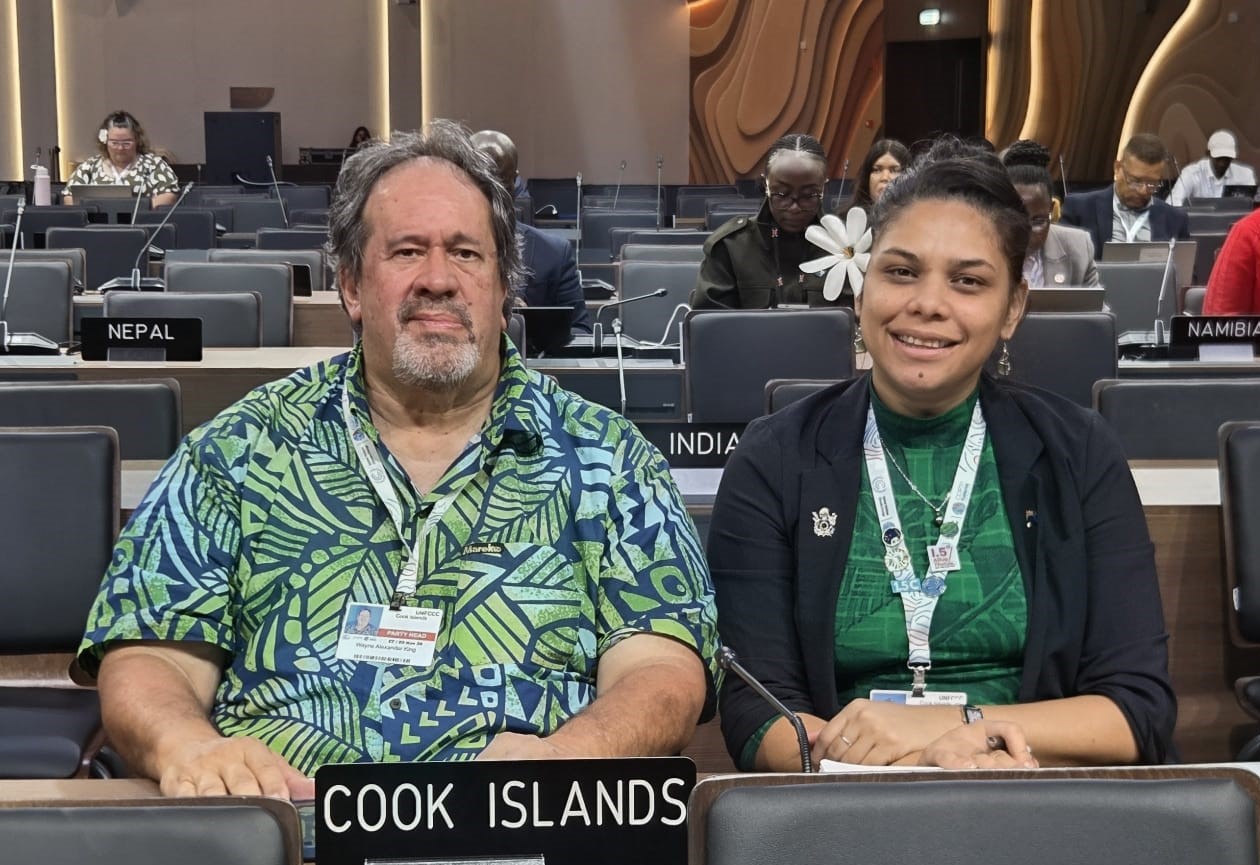
“It was an idea that gathered some steam and buy-in and support about two things. The first one is to upscale finance and our access to climate change finance,” said Mr Wayne King the Director of Climate Change Cook Islands.
“The second part was to take the climate change finance beyond projects, we have four components with each of them being ten years long. It focusses on our needs and helps address our Pacific capabilities with long-term thinking such as training college students, funding internships and scholarships for universities.”
A board was developed to guide the work of the RPACA which includes the five regional and global partners, as well as the Cook Islands, Fiji, Palau, Papua New Guinea and Tuvalu. Together this will coordinate investments across the region while allowing participating governments to set priorities based on their own needs.
The Cook Islands, the Federated States of Micronesia, Fiji, Kiribati, the Republic of the Marshall Islands, Naoero, Niue, Palau, Papua New Guinea, Samoa, Solomon Islands, Tonga, Tuvalu, and Vanuatu will be eligible for support.
“Our Pacific countries are now obligated to implement this, we’ve actually got commitment and financing now, we must make it work,” said Mr King.
“We must make this work; we’ll never get another chance again to make this happen. While this began with an idea, that was supported by Palau and after many working group meetings we have brought it this far. Now the real work happens.”
Support from Asian Development Bank and Green Climate Fund
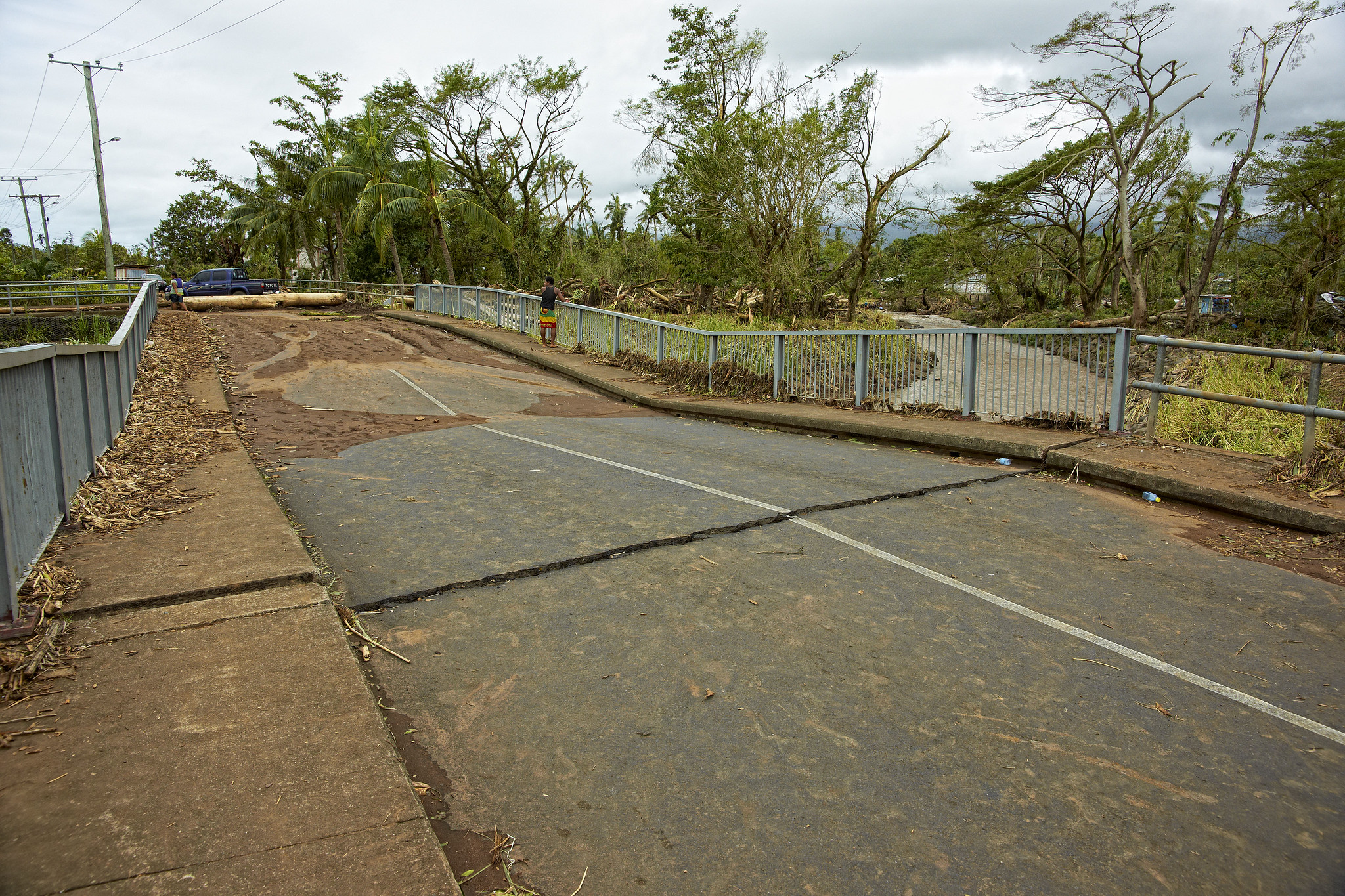
RPACA will help Pacific island communities protect their homes, livelihoods, and infrastructure from rising seas and increasingly destructive storms. The ADB program aims to mobilise more than $1 billion in financing to support 14 Pacific island economies.
"Across the Pacific, rising seas and increasingly destructive storms threaten homes, livelihoods, and the infrastructure that people depend on,” said ADB President Masato Kanda.
"For island communities, this is a matter of survival. This investment, which ADB has taken leadership in developing, will help them prepare for the dangers ahead, protect their people, and build a more secure future for their children."
The launch of the initiative at COP31 follows GCF’s approval of USD 250 million for the program. RPACA will help Pacific island governments strengthen roads, water supplies, power systems, coastal defenses, and urban infrastructure against extreme weather and rising seas.
GCF’s USD 250 million grant will be combined with ADB grants, low-interest loans, and other financing to support projects that protect essential infrastructure and services. The program will also help governments attract public and private investment, improve financial management, and plan long-term measures to protect vulnerable communities.
"I have travelled to many countries on the front line of the climate crisis," said GCF Executive Director Mafalda Duarte.
“In the Pacific, the threat is written into the geography: many islands sit just a few meters above the sea, and a single storm can cut off the only road, port or water supply a community depends on. RPACA will help 14 countries build roads, ports, water and energy systems, schools and clinics that can withstand what is coming, and reach 3.7 million Pacific Islanders, nearly one in four people across those countries. Shaped in the Pacific, led by the Pacific, and owned by the Pacific, it is our biggest single step in the region yet. It brings GCF’s commitment across the Pacific to USD 1.2 billion, with a further USD 2 billion in cofinancing." – ADB Release/Cook Islands/SPREP