

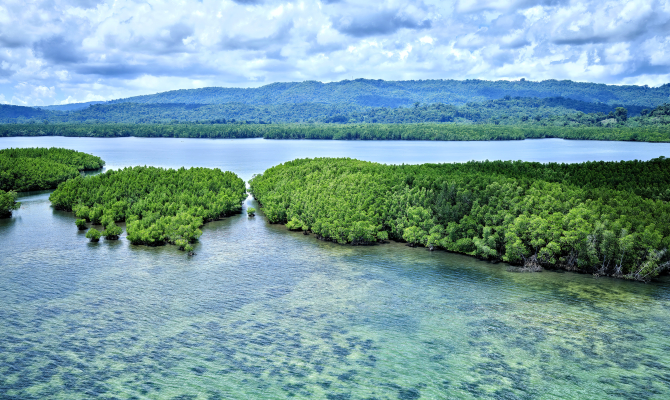
Antalya, Türkiye, 18 November 2026 - When a cyclone tears through a Fijian village, the emergency does not end when the floodwaters recede. Dr Luisa Cikamatana has seen families who cannot bring themselves to return home, many months later.
"People simply don't want to go back because they're not mentally prepared to go back and resettle," said the Chief Medical Officer from Fiji's Ministry of Health at the COP31 World Health Organisation (WHO) Health Pavilion in Antalya, Türkiye.
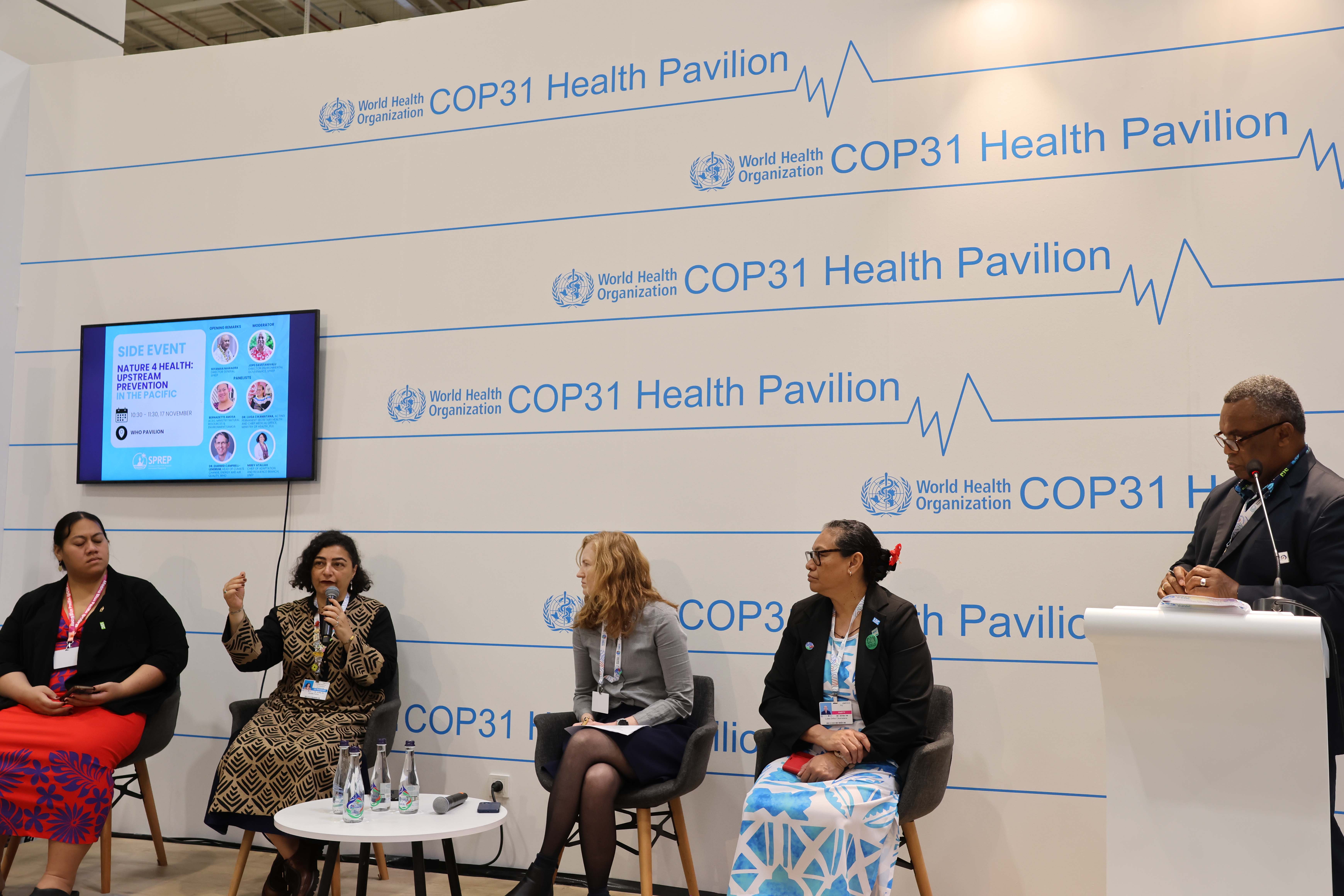
It was one of many moments at the side event Nature 4 Health – Upstream Prevention in the Pacific that took the climate crisis out of the negotiating room and into Pacific homes and villages.
Organised by the Secretariat of the Pacific Regional Environment Programme (SPREP) with support from UN Environment Programme (UNEP), the session made it clear that the best way to protect people's health is to protect the reefs, forests and mangroves that keeps everyone well, before anyone needs a hospital bed.
The conversation was led by an all-woman panel - Ms Bernadette Amosa from Samoa's Ministry of Natural Resources and Environment, Dr Amy Savage from the World Health Organization, Dr Luisa Cikamatana from Fiji’s Ministry of Health and Dr Mirey Atallah from the UN Environment Programme.
Opening the session, Mr Sefanaia Nawadra, SPREP Director General said the world's original vision for sustainable development was always an integrated one.
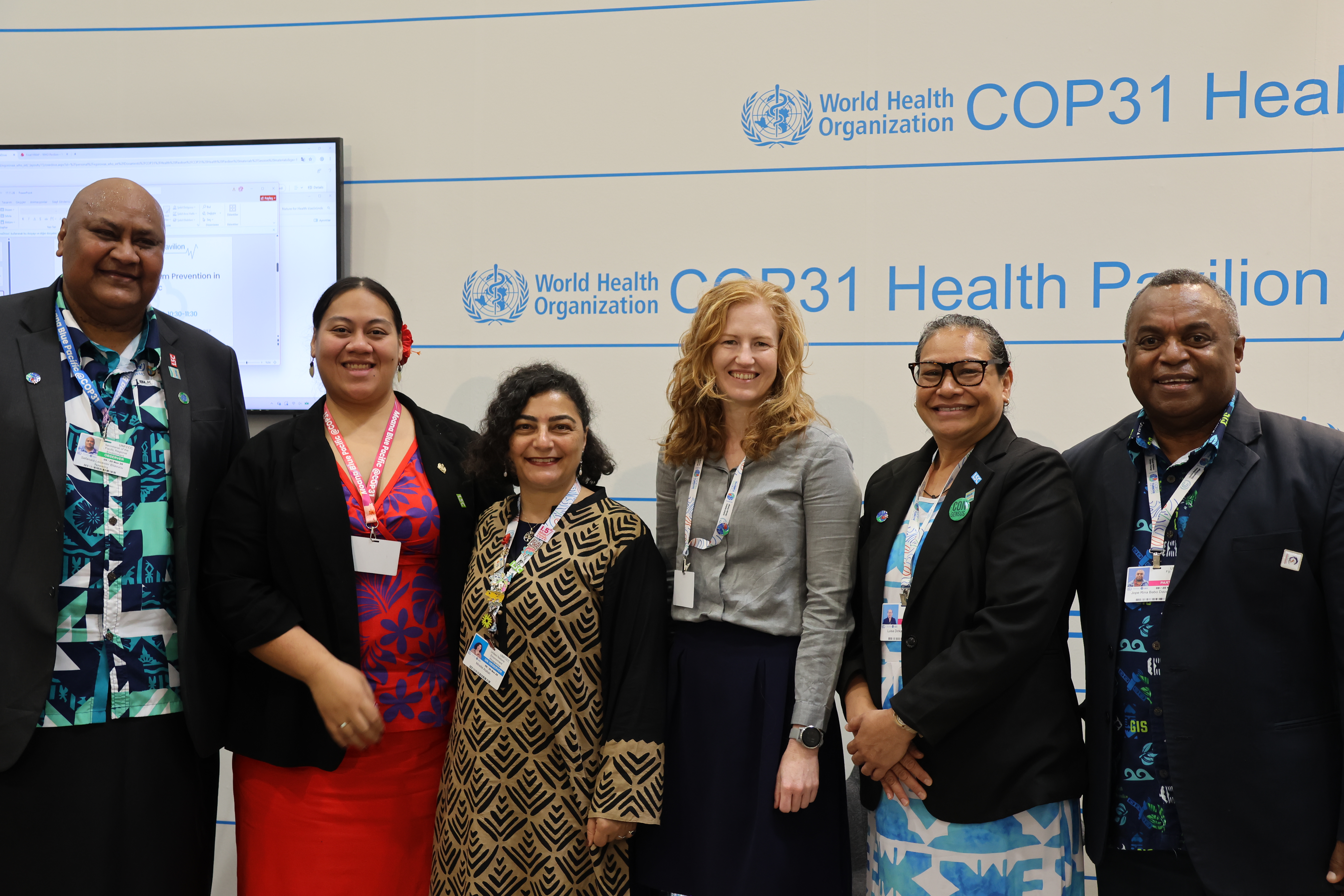
“It's only when we started doing the work that we lost our heads in detail, and we forgot to look around and see how everything else was connected,” he said.
He highlighted that small islands have an advantage. “Sometimes it's easier for us to do this integration. We have smaller administrations and populations. People know each other.” Adding that health must be woven into climate action, nature conservation, waste management and the plastics treaty now under negotiation.
Mangroves as Medicine
Ms Amosa, Assistant CEO for Climate Change, Ministry of Natural Resources and Environment said for her country of Samoa the link is a lived reality.
“For Samoa, protecting ecosystems such as mangroves and coastal ecosystems is not just an environmental responsibility. It's also an investment in public health, climate resilience and community well-being,” she said.
Samoa's adaptation planning has identified the health challenges, but the real gap is money she said. “We're very good at developing policies and strategies, but they cannot be implemented without the appropriate finance.”
“Our communities have understood for generations that the health of our people is inseparable from the health of our environment.”
Turning Hospital Beds to Home Gardens
From Dr Cikamatana’s point of view, One Health - an approach championed globally by Food and Agriculture Organisation (FAO), UNEP, WHO and World Organisation for Animal Health (WOAH), and undertaken in the Pacific by the Pacific Community (SPC) and SPREP - treats human, animal and environmental health as one system. She said it makes the connection practical. “People's health really depends on the environment in which we grow, we learn, we age and we work. The land and the ocean really sustain us.”
Fiji currently spends a large share of its health budget on hospital services. “We want to shift that to prevention, which is much cheaper,” she said — starting with non-communicable diseases and access to “good, healthy, homegrown food” instead of imported alternatives.
Dr Savage, WHO Technical Officer for Climate Change and Health was in agreement. “We really do need to move from a siloed approach to more of an operational integration. We need to connect the upstream environmental and climate drivers directly to our frontline public health,” she said.
That means early warning systems combining climate, environmental and animal health data, and a healthy workforce trained to anticipate climate risks. She also flagged mental health as an emerging climate impact that belongs in national plans.
Every Fraction of a Degree
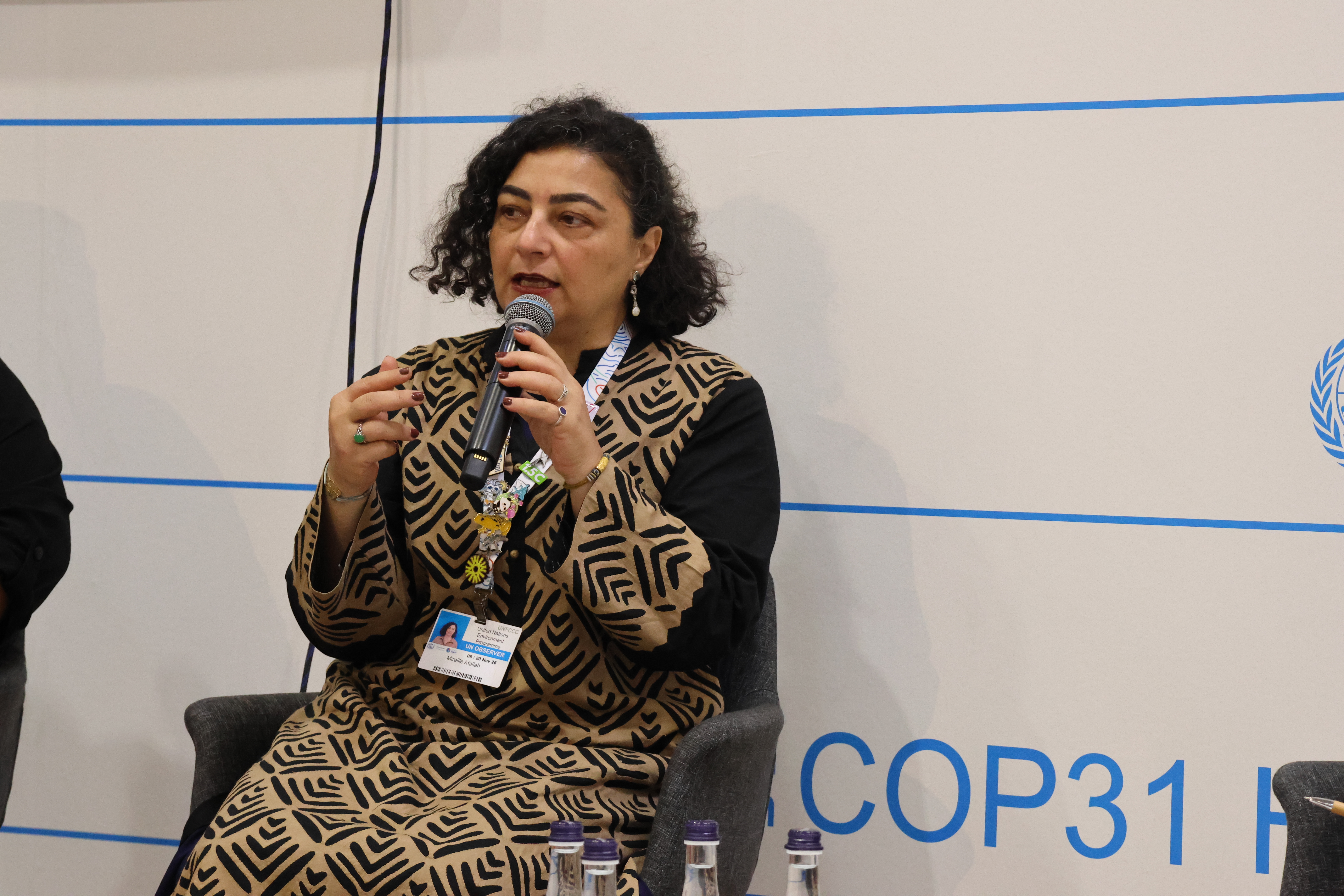
Dr Atallah, UNEP Chief of Adaptation and Resilience said agendas kept apart in negotiating rooms come together on the ground. “When you start on the implementation, you see that all of these agendas are very much connected.”
Quoting a health minister, she added “If you don't have a functional health system, you won't have a resilient health system.”
She urged countries to tap existing health finance rather than stretch limited climate funds. “Every single action, every single investment, every single year and every single fraction of a degree matters. It needs to be how every sector, every ministry, every actor of society supports climate action, because we're running out of time.”
From Nadi to Antalya
Moderated by Mr Jope Davetanivalu, SPREP Director of Environmental Governance, the session answered a call made by Pacific countries at a One Health workshop in Nadi in September. That call was to carry a strong, unified Pacific voice on One Health and preventing disease through nature, before it starts.
Dr Cikamatana closed the session with a powerful reminder.”One Health is the solution,” she said. It means not just responding to emergencies, but making sure communities are prepared. This means
“really getting them to be resilient people.”
Held on 17th November 2026, the Nature 4 Health – Upstream Prevention in the Pacific side event was held at the WHO Health Pavilion.
The 31st Conference of the Parties (COP31) to the UN Framework Convention on Climate Change (UNFCCC) is taking place from 9-20 November 2026 in Antalya, Türkiye.
The Pacific Islands Parties to the UNFCCC are Cook Islands, Federated States of Micronesia, Fiji, Kiribati, Republic of Marshall Islands, Republic of Naoero, Niue, Palau, Papua New Guinea, Samoa, Solomon Islands, Tonga, Tuvalu and Vanuatu.
For further information on the Pacific at COP31 please visit: www.sprep.org/cop31