

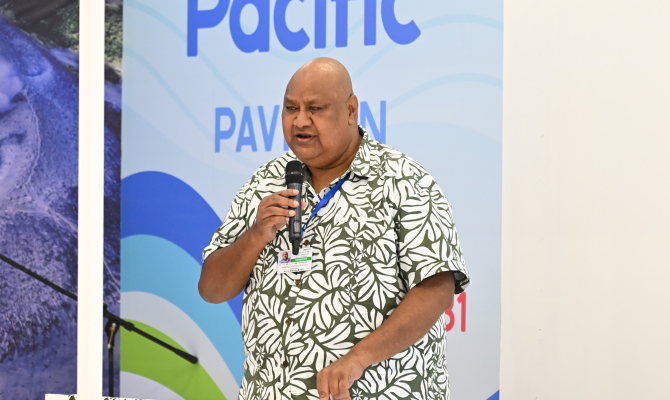
Op-Ed by Sefanaia Nawadra, Director General of the Secretariat of the Pacific Regional Environment Programme.
Merhaba from Antalya, where the Pacific is present in force for the 31st meeting of the Conference of the Parties to the UN Framework Convention on Climate Change.
Our Pacific Leaders, Ministers and negotiators are speaking in one Pacific voice, united in voicing our agreed Pacific positions and their national priorities in the gruelling process of negotiating to get the world back on track to achieve the 1.5°C temperature goal for the survival of all humanity. They are also advocating for the health of our ocean and calling for the meeting of climate financing obligations.
Pacific delegations including youth, women, community groups, people with disability and the private sector provide our distinctive Pacific colour, music, dance, and culture as they share their issues, experiences and solutions while seeking partnerships to provide financing, resources, technology, and capacity at our Moana Pacific Pavilion and throughout the meeting venue.
While here, our Leaders, Ministers and delegations continue to have an eye back home in our Blue Pacific region, where our communities are facing a Super El Niño on top of living in a climate crisis that is threatening our lives and livelihoods. We are seeing the devastating impacts of this naturally occurring climate phenomenon within an increasingly warm world.
The premiere of our documentary, Pacific Rising, in Antalya, reminded all Parties at the COP of the dire consequences we are already living with in the Pacific because of our collective inability to meet global emission reduction targets and to provide the means of implementation in particular financing to adapt to climate change.
While Pacific countries fight to get back global warming at 1.5C above pre-industrial levels, the current El Niño is showing the world a preview of what is to come if we continue our current overshoot trajectory.
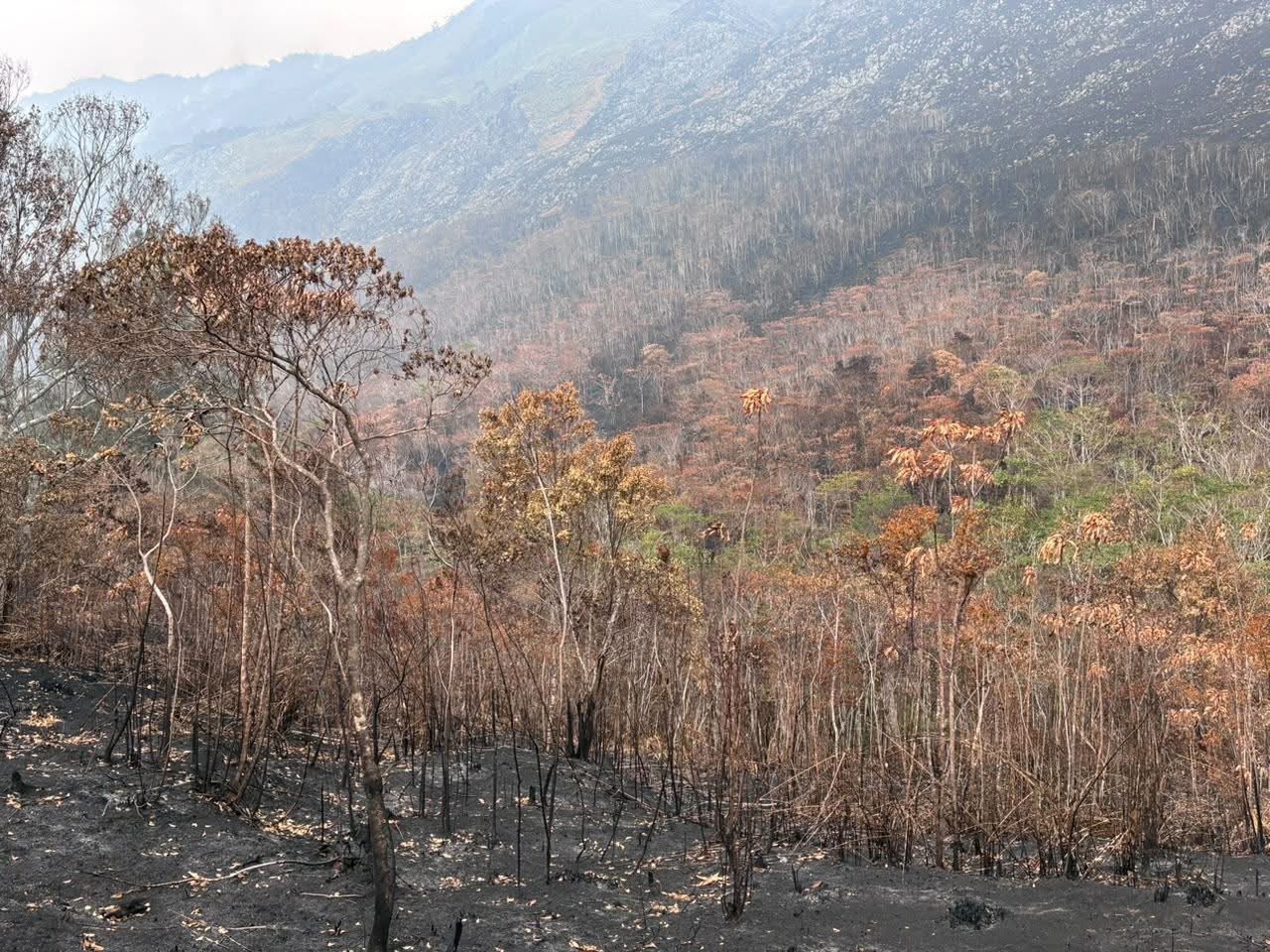
Rampant wildfires and extreme drought in Papua New Guinea, fish kill and water shortages in Solomon Islands, dengue fever and diarrhea outbreaks in Vanuatu, and a national emergency due to drought in Tonga are just some of the impacts Pacific Island countries are currently facing. And now, the tropical cyclone season for the Southwest Pacific has officially begun, coinciding with the peak period of this El Niño.
The message for our communities is simple – we must prepare, adapt and respond now and work together to help and support each other.
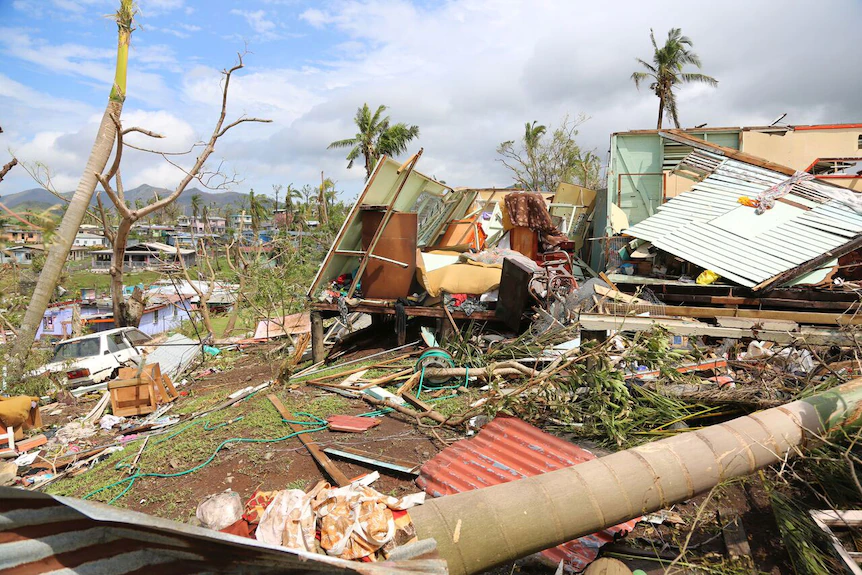
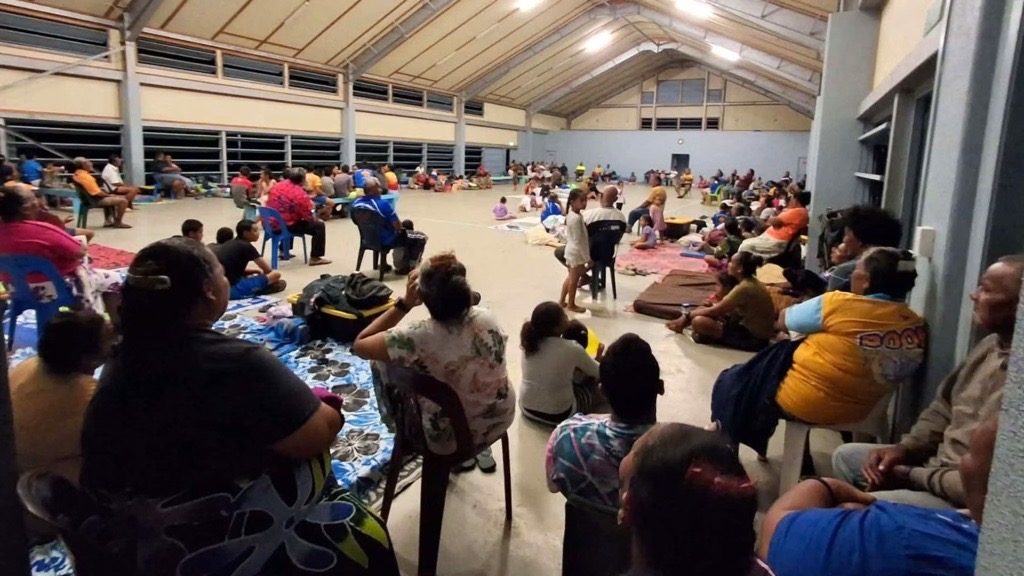
For Pacific Island countries, tropical cyclones are a recurring reality of life in our region. Between November and April each year, tropical cyclones bring destructive winds, heavy rainfall, flooding, storm surges and significant impacts on communities, infrastructure, livelihoods, and economies along with its archives and records.
In 2004 when Tropical Cyclone Heta hit Niue, recovery efforts cost NZD 44 Million, more than twice the size of its economy for that year. It also left 15% of its population without a home and destroyed the national museum which held 90% of Niue’s artifacts.
Pacific Islands know all too well the loss that comes with a tropic cyclone and this season we are told that it will be worse because of the current El Niño conditions present in our region, earmarked by scientists to be the strongest on record.
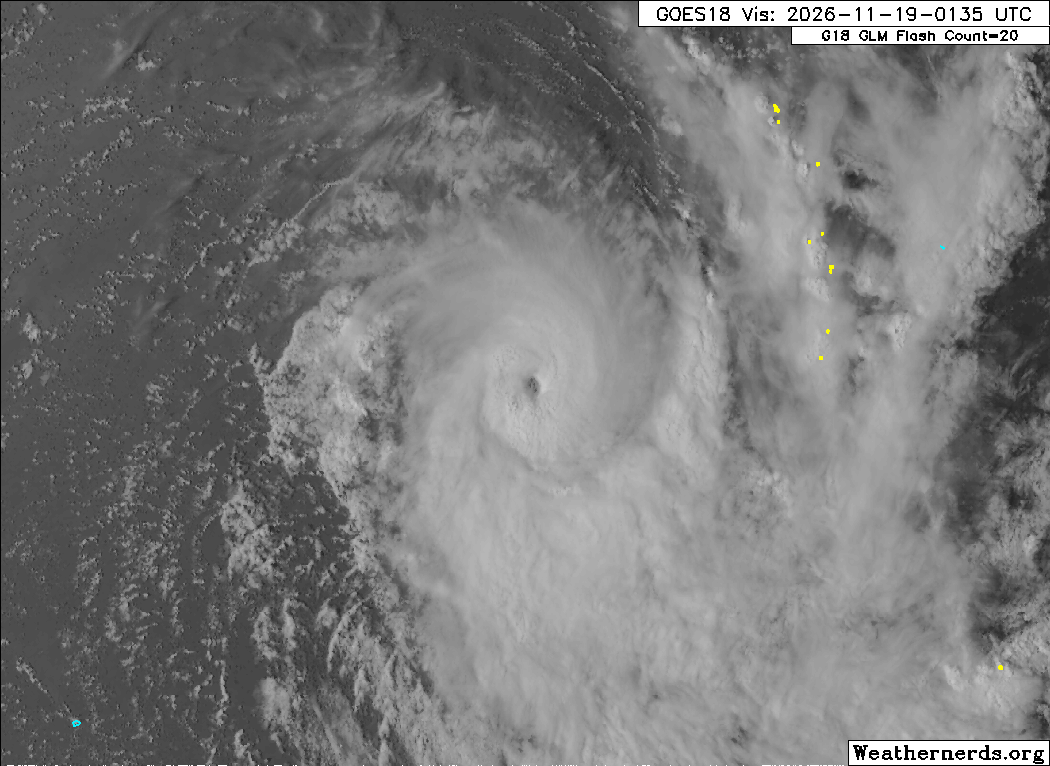
The latest regional tropical cyclone outlook, presented at the 19th Pacific Islands Climate and Oceans Forum (PICOF-19) in Port Moresby, Papua New Guinea in October, indicates that countries in the northern, central and northeastern Pacific should prepare for above-normal tropical cyclone activity due to the presence of a strong El Niño, which is expected to peak between December 2026 and January 2027.
El Niño is a natural climate phenomenon characterised by warmer-than-normal ocean temperatures in the central and eastern Pacific. It is part of naturally-occurring climate driver for the Pacific called the El Niño-Southern Oscillation and its influence on weather patterns across our region can be significant.
One of those influences is a shift in tropical cyclone activity further east across the Pacific.
This means countries near and east of the International Date Line, including Tonga, Niue, Wallis and Futuna Samoa, southern Cook Islands, and French Polynesia are likely to experience higher-than-normal tropical cyclone activity this season.
We have already seen an indication of this pattern, with an out-of-season tropical cyclone, TC Wati, developing around the Cook Islands in October. Such an occurrence is not uncommon during El Niño periods.
The experience of the North Pacific also offers an important reminder of the influence that El Niño can have on an active season.
In the North Pacific, tropical cyclones are referred to as typhoons in the western basin, including Guam, the Commonwealth of the Northern Mariana Islands (CNMI), Micronesia, and Palau, while hurricane is used in the eastern and central North Pacific, including Hawai‘i. The 2026 season was exceptionally active and NASA reported 25 named tropical cyclones in the Pacific by early November, reflecting a busy and destructive season across the basin.
For the North Pacific islands, Typhoon Sinlaku was the most damaging system, striking Saipan and Tinian in April and leaving an estimated USD 1.5 billion or more in damage. Its impacts included severe wind and rain damage, destruction of buildings and infrastructure, and major disruption to essential services across the CNMI. While other systems, including Bavi, Champi, and In-fa, also affected the region, Sinlaku stands out as the clearest example of catastrophic damage in the North Pacific during 2026.These developments reinforce the importance of taking seasonal outlooks seriously and translating climate information into practical preparedness actions.
For Pacific communities, the consequences of being caught unprepared can be devastating. Our islands are isolated, infrastructure is often vulnerable, and many of our communities depend on climate-sensitive sectors such as agriculture, fisheries, tourism, and water resources for their livelihoods. There is much trauma that our people have the build their resilience around.
A single severe weather event can reverse years of development progress, damage essential services, disrupt food and water supplies, and place additional pressure on already stretched national resources.
Yet, while we cannot prevent tropical cyclones from forming, we can reduce the risks and minimise their impacts.
Preparedness needs to be everyone's responsibility. We see the warnings happening across the world as governments are advising their people to be prepared and pack in advance for emergencies.
Across our Pacific Islands region, our governments must ensure national disaster and emergency preparedness plans are updated, functional and understood across relevant sectors. Coordination between meteorological services, disaster management offices, health services, agriculture, water, infrastructure, media, and other essential sectors must be strengthened.
Communities must also be empowered with the knowledge and information they need to act. Families must review their household emergency plans, identify evacuation routes, secure important documents, prepare emergency supplies and understand what actions to take when warnings are issued.
At SPREP, we recognise that access to reliable, timely and relevant climate information is fundamental to building resilience across the Pacific.
Through our regional partnerships and programmes, including the Weather Ready Pacific Programme, the Climate and Oceans Support Program in the Pacific (COSPPac), the European Union-funded Intra-ACP Climate Services and Related Applications (ClimSA) programme, and the Republic of Korea-Pacific Islands Climate Prediction Services (ROK-PI CliPS) project, we continue to support National Meteorological and Hydrological Services (NMHSs) to strengthen their capacity to provide climate information, seasonal outlooks, forecasts and warnings that support national planning and decision-making.
Regional climate forums such as PICOF play an important role in bringing together climate scientists, meteorological services and regional partners to share knowledge, assess emerging conditions and develop a common understanding of what lies ahead.
However, the value of this information is only as good as its usefulness in times of pending catastroph
This is why I want to emphasise the importance of our National Met Services. They remain the first and most reliable point of contact for trustworthy and timely weather forecasts and warnings in each country.
At a time where information is readily available and travels quickly through digital platforms, there is a greater risk of being misinformed. It is important that people know where to access official information and do not rely on or spread unverified reports. We must all be responsible.
The Pacific has long recognised that our strength lies in working together. Tropical cyclones do not respect national boundaries, and neither should our efforts to prepare for and respond to them.
Regional cooperation, information sharing, technical support and partnerships are essential to ensuring that all Pacific island countries, particularly those with limited national capacity and resources, are equipped to anticipate and manage the risks ahead.
Our Council of Regional Organisations in the Pacific (CROP) agencies such as SPREP, the Pacific Community, and the Pacific Islands Forum Secretariat are working together to convene an El Niño Working Group that will look at coordinating regional support for this El Niño to ensure that support reaches our Pacific Island countries.
As this cyclone season deepens, the warnings are clear and the science is in our hands. What matters now is what we do with it. We must act early: strengthen our preparedness, invest in our national meteorological services, and make sure every warning reaches the people who need it, in words they understand and in time to act. Our most vulnerable communities, in remote islands, outer villages and coastal settlements, must be first in our planning.
Pacific people have always faced hardship with courage and met it together. That strength has carried us through every disaster. Now we must use it before the hazards arrive, so that our communities are ready, our losses are fewer, and every life that can be saved is saved.